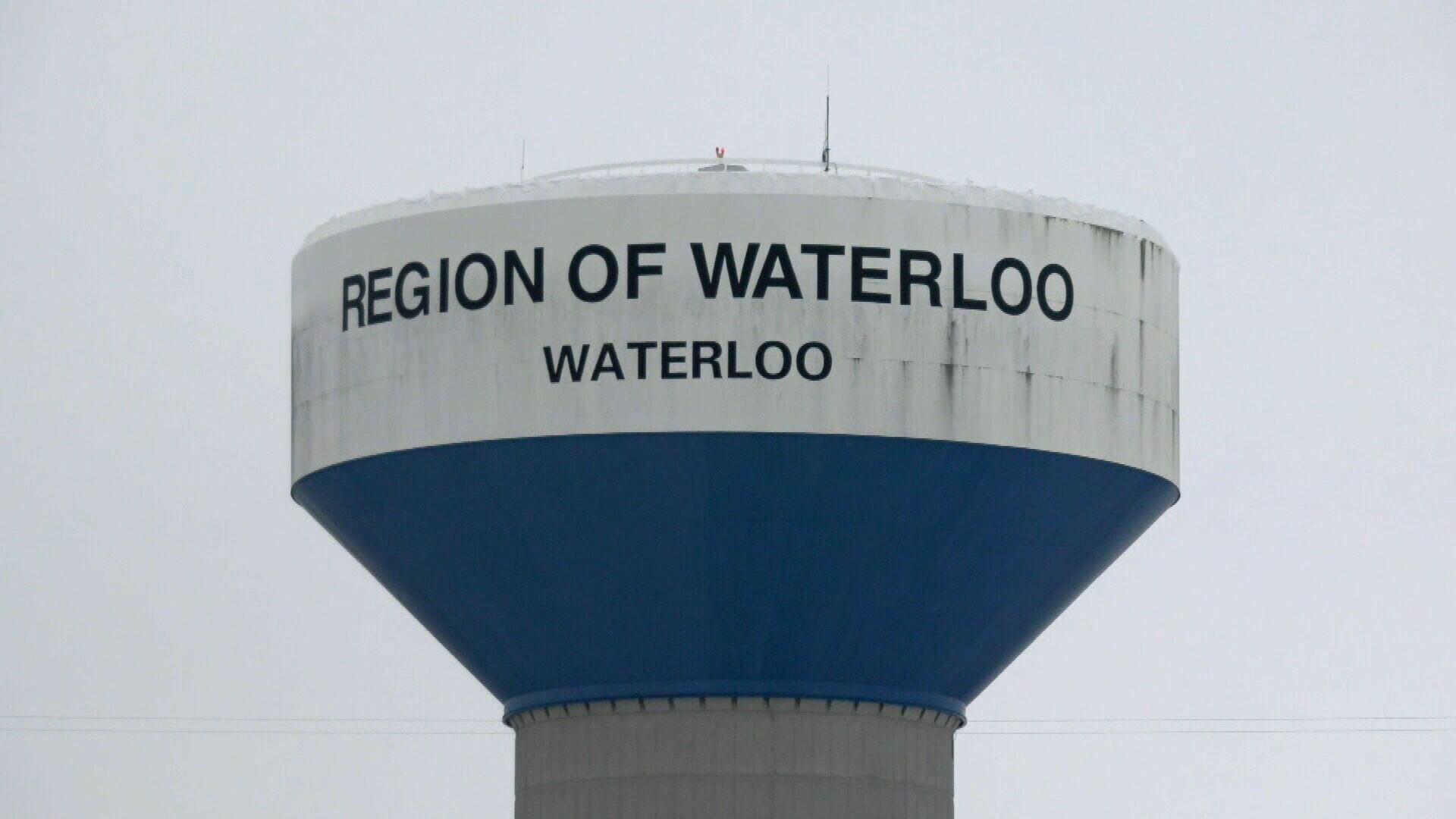
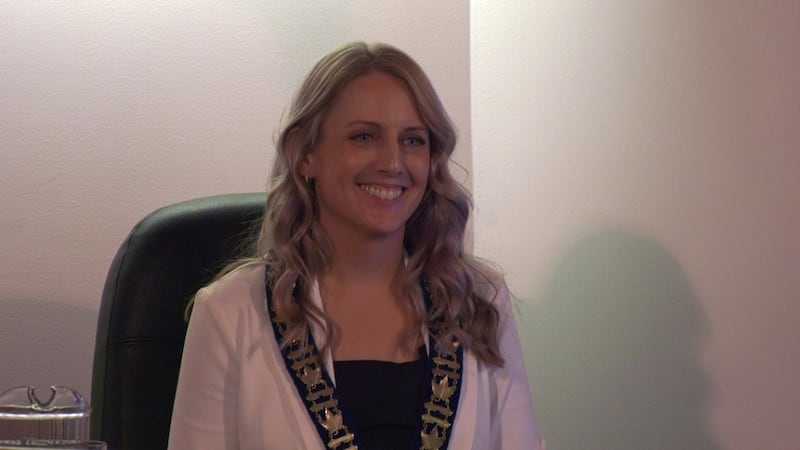
Legislation has been tabled to permanently protect Waterloo Region’s groundwater supply. The Waterloo Moraine Conservation Act was introduced at Queen’s Park by Aislinn Clancy, the MPP for Kitchener Centre and deputy leader for the Ontario Greens, on Tuesday. “Over and over again, the [Doug] Ford government has plowed ahead with reckless legislation that has weakened protections for wetlands, water sources and recharge areas,” she said. “Our water is for our communities. For families, farmers and homes. The government needs to take a leadership role in protecting our water.” Clancy specifically cited the water capacity concerns that prompted a months-long pause on new development projects in Waterloo Region. A report from December 2025 warned there wouldn’t be enough water within the Mannheim Service Area to support a growing community. “The Waterloo Moraine Conservation Act is the strong, long-term protection we have needed and advocated for, for decades,” said Kevin Thomason, vice chair for the Grand River Environmental Network. Moraines were created when glaciers retreated at the end of the last ice age. What they left behind were thick deposits of sand, gravel and clay, trapping water as it seeped down into the ground, creating an aquifer. “The Waterloo Moraine acts as the headwaters for numerous creeks, sustaining cold water streams and provincially-significant wetlands that are home to many sensitive species, while also providing drinking water to the region’s human residents,” said Tony Morris, the conservation policy and campaigns director for Ontario Nature. Clancy placed some of the blame on the provincial government and what she called Premier Doug Ford’s pursuit of “profit-driven developments.” “It has allowed big corporations to take millions of litres of water, every day, from our aquifers without checks and balances,” she said Tuesday. Advocates have long been pushing for change. “Our community and environmental groups have repeatedly warned about our delicate water balance,” Thomason said. He recalled that in 2004 he appeared in front a standing committee at Queen’s Park, just a few years after the Walkerton water crisis, to request the region’s inclusion in Ontario’s Greenbelt. “We wanted the same protections for our headwaters and water sources as the rest of the GTA,” explained Thomason. When that effort failed, local measures were introduced to try and protect the Waterloo Moraine. Now, with the region’s population expected to reach one million residents by 2051, the issue has been pushed to the forefront. “It’s never been more important to prioritize water for people over profit so our region can grow and thrive now, and in the future,” Clancy said. If the Waterloo Moraine Conservation Act is passed, she said it could also serve as a model for other communities across the province seeking to expand moraine protections. “We need the province to step up and be a real partner to our region as we work to protect our water, so we continue to build homes, businesses and communities for generations to come.”