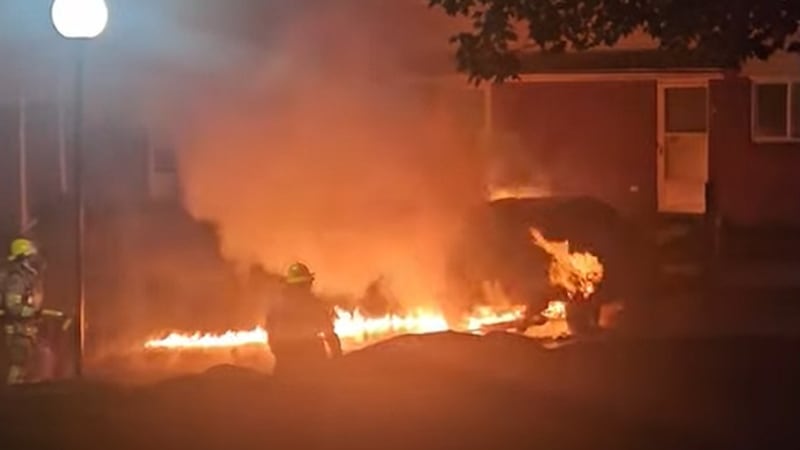
More vendors returned to the Kitchener Market this weekend as the city expanded its temporary operations while restoration work continues inside the building following a July fire. The market had 46 vendors operating Saturday, up from about 30 vendors who have been part of the temporary outdoor market since the fire. The electrical fire was contained to a small area, but smoke and soot damage throughout the building led to an extensive remediation effort. The city invested in temporary electrical, plumbing and water infrastructure, allowing more vendors to return and operate safely in the breezeway and parking lot. “We have about 70 per cent of all of our vendors back in here this morning,” said Ward 10 Coun. Stephanie Stretch. “We are so excited to have them back and to be able to sell their meat, sell their cheeses, have a cooler, have their products on display.” Stretch said the temporary infrastructure includes hand-washing stations and electrical service needed by vendors handling food. “We’ve been able to make an investment in some electrical work and some plumbing work to make hand-washing stations and make this possible,” she said. For vendors who have been part of the market for generations, the return has offered a measure of stability after weeks of uncertainty. Jesse Cressman, whose family business, Cressman Meat Limited, has operated at the market for five generations, said the fire meant the business could no longer access the main building. “So the direct impact we’ve had is that we can’t access the main building anymore. So we’ve had to be moved out here to the… retrofitted area,” Cressman said. He said the temporary setup has allowed the business to bring its coolers outside and maintain a similar operation. “Right now, we’re very consistent to what we normally do. A lot of our regular customers seem to have come out to support us. It’s been great.” Other vendors have faced steeper losses. Mary Jane Bast, whose family business, Bast Cheese, has been at the market for more than a century, said sales fell to about one-quarter of normal levels while the temporary setup lacked the infrastructure needed for some of her products. “I was still selling, but at a very reduced amount. So, I was probably down to at least a quarter,” Bast said. New hand-washing and dishwashing facilities have since allowed her business to resume more of its regular operations. “We’re now able to do that back again. We’re able to pack, we’re able to sample, I can slice and do everything I did before,” she said. The city had also approved a temporary 50 per cent reduction in vendor rent while restoration work continues. Cressman said the reduction has helped businesses manage the financial impact of operating under the temporary model. “It’s definitely helped us a lot,” he said. “When sales aren’t fully where we’re at, it kind of helps to bridge that gap.” The city is also preparing the temporary market for colder weather, with plans to enclose portions of the space to help keep vendors and shoppers comfortable through the fall and winter. Stretch said officials are looking at ways to continue using outdoor space while restoration progresses. “Looking at ways we can close it off in the winter to keep it a little bit warm for people who are shopping and the vendors so that they can still sell, and that they can still meet with their clientele,” she said. The market has remained open every Saturday since the fire. City officials said the long-term goal remains restoring the building and bringing vendors and customers back inside once it is safe. For vendors, the expanded temporary operation is another step toward getting back to normal. “Just looking forward to just kind of business as usual,” Cressman said. “Just being able to have the big open market space, the experience that everyone likes to have — come into the market, have the breakfast, do the shopping. [We] just want to be a place for the community and we just want to be a part of it.”