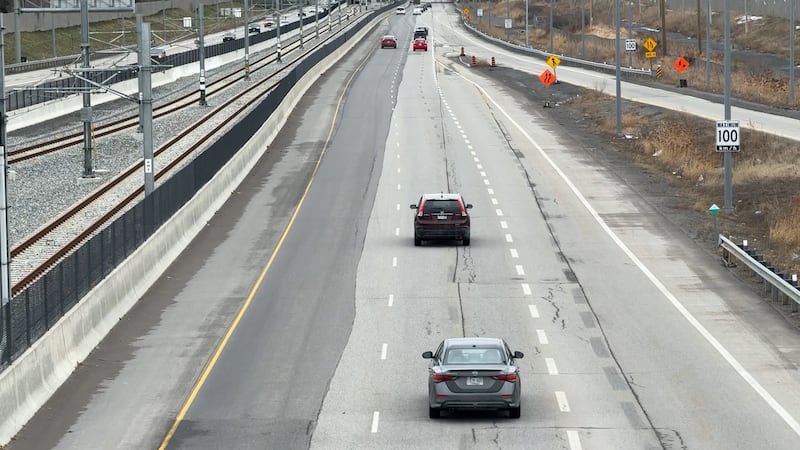
A Kitchener, Ont. company is taking a different approach to fixing potholes, focusing on prevention and longer-lasting repairs instead of quick patches. Heat Design Equipment uses infrared technology to rework existing asphalt, heating it up and reshaping it rather than simply covering over damaged areas. “Cook like a steak and cut like butter,” is how the process is often described — where crews heat and break down old asphalt to make it workable again. “We build infrared heaters for patching roads, and that’s to maintain roads, and help construct roads too, so they last longer,” said Matt Kieswetter, vice-president of sales at Heat Design Equipment. The system allows crews to reheat asphalt, resulting in a smoother and more durable surface. “We can reheat asphalt when it’s 10 to 20-years-old and we can recycle that in place so it can allow for better repairs,” said Kieswetter. Unlike traditional pothole fixes, which can be quick but temporary, the infrared process takes more time, but the company says it’s well worth it. “We might take a little bit longer to fix that, but we’ll have a much more permanent repair,” Kieswetter said. The key, he added, is early intervention. Small cracks can quickly grow into potholes if left untreated, so the goal is to address them before they worsen. The company has developed a range of tools using the same infrared technology, allowing crews to tackle everything from minor cracks to larger road repairs, even during the construction phase. “This is an infrared heater that gets attached to the side of the paver,” said Kieswetter, showing one of the machines. “We’re all familiar with the cracks that go down the centre line of the road. This machine fixes it in the construction phase.” In addition to repairing roads, the company can also produce its own asphalt materials, including portable solutions. “We could actually make our own hot mix right here in our facility, or you can see some bricks of asphalt that we make for areas that don’t have access to asphalt that they can reheat their own in rural areas or in remote areas,” he said. Built in Kitchener, the company’s technology is now being used in projects around the world, with equipment shipped to Australia, South America, the United Kingdom and the United States. The innovation aims to reduce long-term road damage and the frustration that comes with it for drivers.