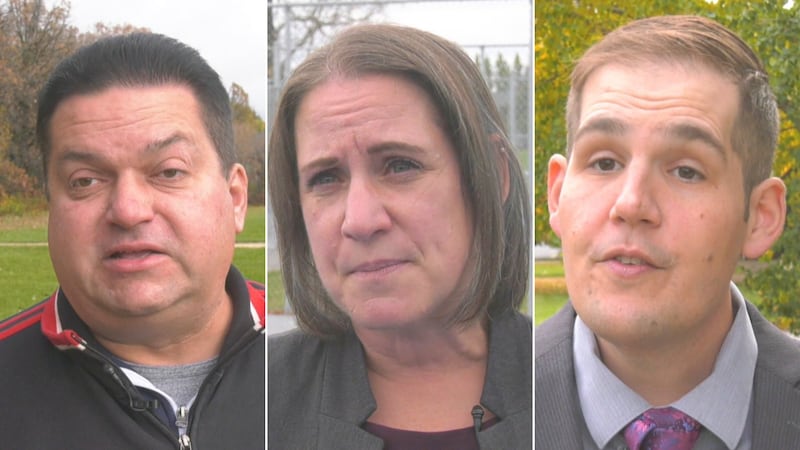
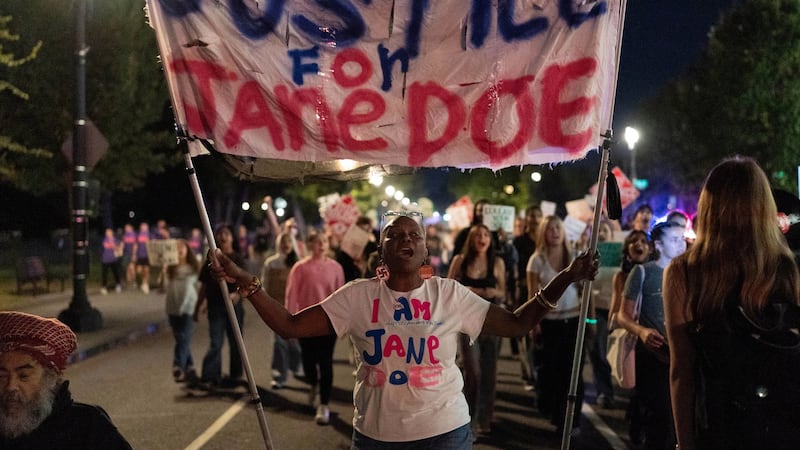
As the Oct. 26 municipal election draws near, some people are starting to solidify their choices, but there is one position that typically gets the least attention and the fewest number of ballots cast: school board trustee. It is a role that has changed over the years, and in the months leading up to this year’s election, there was speculation that the province would eliminate the position altogether. Several school boards and trustees came under fire in recent years for polarizing debates and questionable conduct. Eight school boards across Ontario were put under provincial supervision due to governance and financial management concerns. In Waterloo Region, the public school board made headlines when a former teacher Carolyn Burjoski launched a defamation lawsuit after she was stopped by the chair of the board of trustees partway through a presentation about how she viewed some books that were available in elementary school libraries in 2022. Earlier this year, that legal dispute came to an end when a settlement was reached. Waterloo Catholic District School Board trustees faced protests and counter demonstrations outside their meetings in the spring of 2025 as they debated a trustee motion that would have banned flags, including the Pride flag, from schools. The school board spent $83,000 for costs related to the debate, including for security at various board meetings and to pay legal counsel. Nearby, Education Minister Paul Calandra stepped in after four trustees with the Brant Haldimand Norfolk Catholic District School Board took a trip to Italy in 2024. The trip, which the trustees said was taken to buy religious artwork for new schools, cost $45,000. Another $63,000 in legal fees was spent to manage the ensuing fallout. Calandra ordered the trustees to pay back to thousands of dollars they owed. Misconceptions Although the province decided not to eliminate trustee roles, new limitations were introduced in the spring. “I would really be sad about the loss of local representation if they did do away with the position,” Jayne Herring, a former Waterloo Region District School Board trustee, said. Even so, many voters don’t know what the democratically-elected position entails. “I think there’s some perception that a trustee might do the day-to-day operations, so that if a parent had a concern about something that’s specifically happening for their child in their school, that they can go to the trustee,” Kristina Llewellyn, a professor at the Wilson College of Leadership and Civic Engagement at McMaster University, said. “Trustees do not have those kind of day-to-day operations. That’s a school level decision, and so that’s something that you should speak to a principal about. But trustees do have policy-level decision making, and so they can influence that higher-level decision making that happens at a school board,” she explained. Trustees do not control the curriculum that is taught to children, as that falls under the purview of the provincial government. They also aren’t involved in the collective bargaining process with teachers. Their main goal is to ensure the voice of their constituents is heard at the policy-making table. CTV News Kitchener will be delving further into the responsibilities of a trustee, and how the role is changing, during a special feature on trustees ahead of the election. Polarizing politics There is also a growing perception that the trustee board table is becoming increasingly polarized. Kathi Smith, a former Waterloo Region District School Board trustee who served for more than 20 years, said the divide has become increasingly transparent since the end of her tenure in 2022. “It was almost like there were lines being divided between people,” she said. “How can we do the best job for the kids if we’re worrying about what political party – and we’re fighting over parties at this level with the people where we’re governing with, as opposed to thinking about what can we do for the kids?” Smith said. What will change in Waterloo Region after the election? There will be quite a bit of change within one of Waterloo Region’s boards following the election. Only two incumbent candidates are running for re-election within the Waterloo Region District School Board. A third person who had previously served as a trustee, Carla Johnson, initially put her name forward, but withdrew from the race in September, citing health concerns. Robert Williams, professor emeritus of political science at the University of Waterloo, said while this much turnover at a school board is unusual, it is perhaps not surprising. “For the amount they get paid and the amount of grief that they sometimes experience, I think a lot of trustees would say, ‘I’ve got better ways to spend my time, even though I believe in the importance of education,’” He said. “As a personal commitment, it’s very difficult, I think, to sustain in the current climate.” It is a different story at the Waterloo Catholic District School Board, however, where six of the nine current trustees are running again.