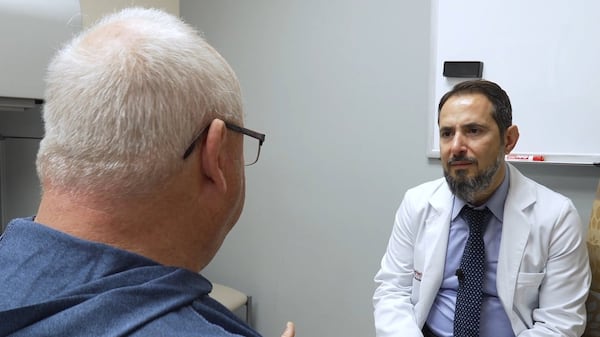
Soaring cases of whooping cough, also known as pertussis, south of the border have a Canadian doctor raising the alarm about a similar trend here. Cases of whooping cough in the U.S. peaked last November. While cases have trended downward this year, the numbers remain higher than they were prior to the COVID-19 pandemic, according to the U.S. Centers for Disease Control (CDC) data. Cases are up in Canada, with several factors driving the recorded increase, including close contact and lack of vaccination, according to Dr. Alan Vaisman, an infectious diseases specialist at the University Health Network. Anti-vaccine sentiments on the other side of the border are also a contributing factor to this outcome, Vaisman told CTV’s Your Morning. “The anti-vaccine movement also affects Canadians. We’ve seen a drop in other forms of vaccination,” he said. “The second thing is a lot of travel between the U.S. and Canada. Transmission of the infection can occur due to exposure to the bacteria. All these factors added together suggest what happened in the U.S. is very likely to happen in Canada, according to him. The vaccine schedule for whooping cough is more complicated than for other vaccines, Vaisman said. This vaccine requires more doses and if a dose is missed, it may compromise a person’s immunity. “Getting people ... to get vaccinated again when they’re older is very challenging,” he said. “That’s why there’s susceptibility for the next year to come back, to make a resurgence and to start circulating more often.” Vaisman added that the risk of whooping cough transmission was “significant” due to travel and exposure between U.S. and Canada. “A similar kind of thing that we see reflected with measles can certainly occur with the whooping cough because the measles vaccine has fewer doses,” he said. “To get more people more doses for the whooping cough, there’s a greater risk for the transmission to just keep going.” ‘Notable’ increase in Canada Canada has seen a “notable” increase in whooping cough cases, with more than 19,000 cases recorded in 2024 in Quebec and Ontario, the Public Health Agency of Canada (PHAC) stated. “This represented a tenfold increase compared to the national annual average from 2015 to 2023,” the PHAC said. There needs to be a “concerted effort” across Canada and the provincial health units to focus on getting the vaccination doses to infants, children and adults, Vaisman stated. “It’s not generally as well transmitted in hospital settings or in settings in public like in the subways or in public areas, but between households,” he said. Whooping cough symptoms According to PHAC, whooping cough can be identified by serious coughing fits that can last for two to eight weeks. “The first symptoms of pertussis may show up seven to 10 days after being infected with the bacteria but could appear up to 28 days after infection,” the health agency said. “Pertussis starts out with a mild fever, runny nose, red watery eyes and a cough.” Coughing fits associated with the disease may cause difficulty breathing, and can lead to choking and vomiting, PHAC warns.