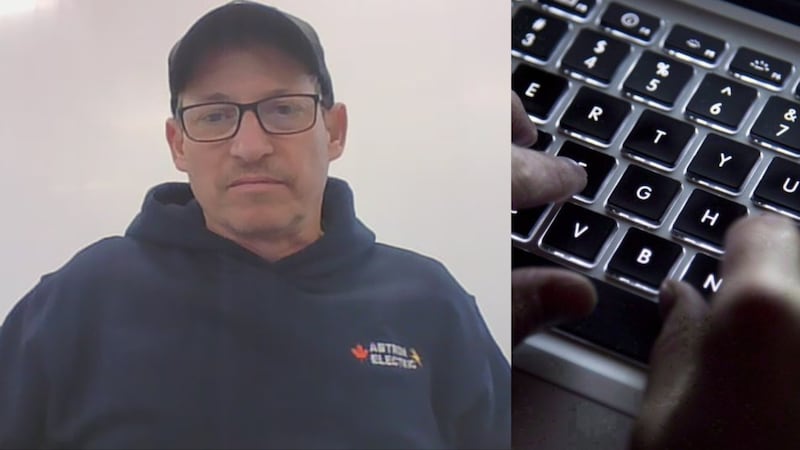
What do a hoodie, a scarf and three sets of clothes have in common? They’re all part of Edmonton-based microbiologist Jason Tetro’s travel routine. He also avoids touching the ropes at airport security and sometimes waits two or three gates away from his own before boarding a flight. As Canadians prepare to travel over the holidays, flu activity has generally increased across the country over the past four weeks, according to the Public Health Agency of Canada (PHAC). The agency’s latest FluWatch+ report, released Friday, shows 14.5 per cent of flu tests came back positive during the week ending Nov. 14. Flu-related hospitalizations have also generally increased over the past four weeks. In an interview with CP24 on Monday, infectious disease specialist Dr. Isaac Bogoch said the flu and COVID-19 are circulating, making it difficult for people to know which virus they may be exposed to. During a telephone interview with CTVNews.ca, Tetro shared five ways travellers can look after their health before leaving home, while in transit and once they reach their flight. 1. Give your immune system a head start Preparing for a flight can start well before you leave for the airport. Tetro suggested getting enough sleep, drinking plenty of water and eating well. He also cautioned against relying on vitamin C, zinc and other supplements to avoid getting sick. Tetro said the focus should be on maintaining a balanced immune system. One item Tetro suggested packing is probiotics to support gut health, especially since your eating habits may change while on vacation. “You’re definitely not going to eat the same that you would be eating at home,” he said. For travellers who haven’t received their flu shot, Bogoch said there’s still time to get vaccinated. The vaccine helps reduce both the risk of catching the flu and the severity of illness for those who do get sick, he explained. One item Tetro suggested packing is probiotics to support gut health, especially since your eating habits may change while on vacation. “You’re definitely not going to eat the same that you would be eating at home,” he said. 2. Give yourself some space at the airport From security lineups to packed departure gates, crowds can be difficult to avoid when flying. Tetro suggested thinking ahead about where you’re likely to encounter large groups of people and finding ways to give yourself some space. At the airport, Tetro takes a slightly different approach to waiting for his flight. “Sometimes, I’ll hang out maybe two or three gates away from my loading gate, because it’s going to be huge and packed,” he said. 3. Take the lead when it comes to hand hygiene Security trays, payment machines and even the ropes that guide passengers through airport lineups are among the shared surfaces travellers may touch without giving them much thought. Tetro explained how he navigates these spaces. “I will only touch basically what is mine, such as my luggage, and maybe my cellphone, and that’s about it. I don’t touch anything else.” He suggested keeping a small bottle of hand sanitizer within reach and using it after passing through airport security. Microbiologist Mario Hupfeld, who spoke with airline Icelandair about travel hygiene, pointed to another item travellers may want to clean before eating: their phones. “Eating food immediately after boarding without first sanitizing your hands is a big mistake,” Hupfeld said. “But I’d also point out that eating before you sanitize your phone is just as bad, because you’ve used it just as much as your hands, and it’s just as likely to have picked up germs.” When soap and warm water are available, Tetro recommended washing your hands for at least 20 seconds. 4. ‘Use fashion for your own microbial good’ A hoodie can offer more than comfort on a long flight. Travellers may reach for disinfecting wipes to clean their tray tables, but Tetro drew attention to another part of the airplane seat. “If you want the germiest place on a plane, it’s where you put your head,” he said. To avoid direct contact with the headrest, Tetro suggested pulling up your hood. He recommended wearing a mask in crowded spaces and even while sleeping on a plane. Tetro also carries a scarf when travelling, suggesting it as an option for people who feel self-conscious about wearing a mask in public or prefer to be fashionable. He noted that wearing a mask properly remains the better option for protection. Hupfeld also recommended wearing a mask when seated next to someone who is coughing, especially for people with weakened immune systems. 5. The three-outfit travel routine After a long flight, you might be tempted to drop your suitcase on the hotel bed and head straight out. As part of his travel hygiene routine, Tetro suggested keeping your suitcase on a luggage rack and changing out of the clothes you wore during your flight. He follows a three-outfit routine himself. “When I travel, I’ve got my travel clothes, I’ve got my hotel clothes, I’ve got my going-out-of-the-hotel clothes, and I mean you can fit all that into a carry-on,” he said. According to PHAC, flu symptoms typically appear one to four days after exposure to the virus and can include fever, coughing and muscle aches. The agency recommends contacting a health-care provider if you’re concerned about flu-symptoms that develop after your trip.