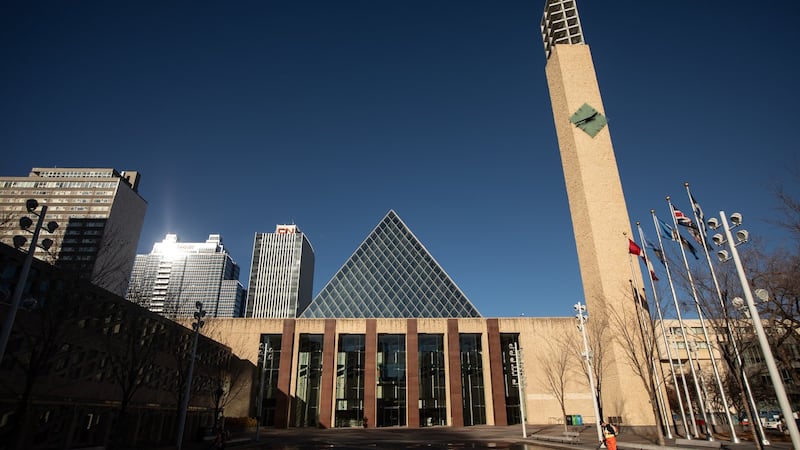
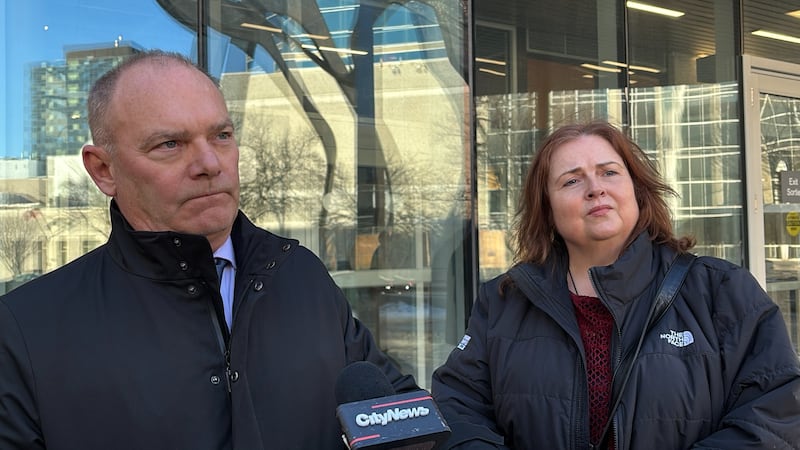
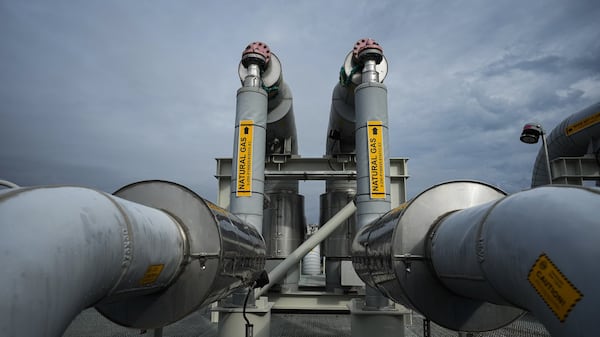
A councillor’s motion to scrap the expansion of the multi-million dollar Downtown District Energy Utility was squashed Thursday. Expansion of the utility will connect the Citadel Theatre, Stanley A. Milner Library and City Hall to a district energy system that provides heat to the Winspear, Chancery Hall and Century Place. The system generates heat and cooling at a central energy site. The thermal energy is then transferred to a fluid and distributed through a piping network to connected buildings. The buildings then use the thermal energy for space and water heating and cooling. According to the city, the system can reduce emissions by an estimated 230,000 tonnes of carbon dioxide annually. “I understand what my colleagues are trying to accomplish in regards to the environment and emissions, but when we look at the costs associated with this, is this a reasonable thing to do with taxpayers’ money?” said Ward pihêsiwin Coun. Mike Elliott, who motioned to ditch the expansion. Elliott said Phase 1 and 1A put $57.8 million into heating six civic buildings, including $43.3 million in tax-supported debt. The full downtown project is estimated to cost between $400 and $600 million. “This motion would avoid almost $23 million in additional tax-supported debt,” he said. While the city and other government bodies sometimes take on green initiatives such as the Downtown District Energy Utility because private industry won’t, Elliott says there are too many other expenses that the city needs to prioritize. “We need a High Level Bridge, we need a Low Level Bridge, there are roads that need to be done.” The first-term councillor pointed to the Blatchford Renewable Energy Utility that is facing a $79-million funding gap. “There are companies that do not wish to build in Blatchford because the utility can’t sustain it … but here we are expanding other utilities,” said Elliott. “Let’s figure out the issues with Blatchford first if we want to see if this is a sustainable model.” Last year, city council approved the expansion of the Downtown District Energy Initiative as it works towards its goal of net-zero emissions for all operations by 2040. With files from CTV News Edmonton’s Jeremy Thompson