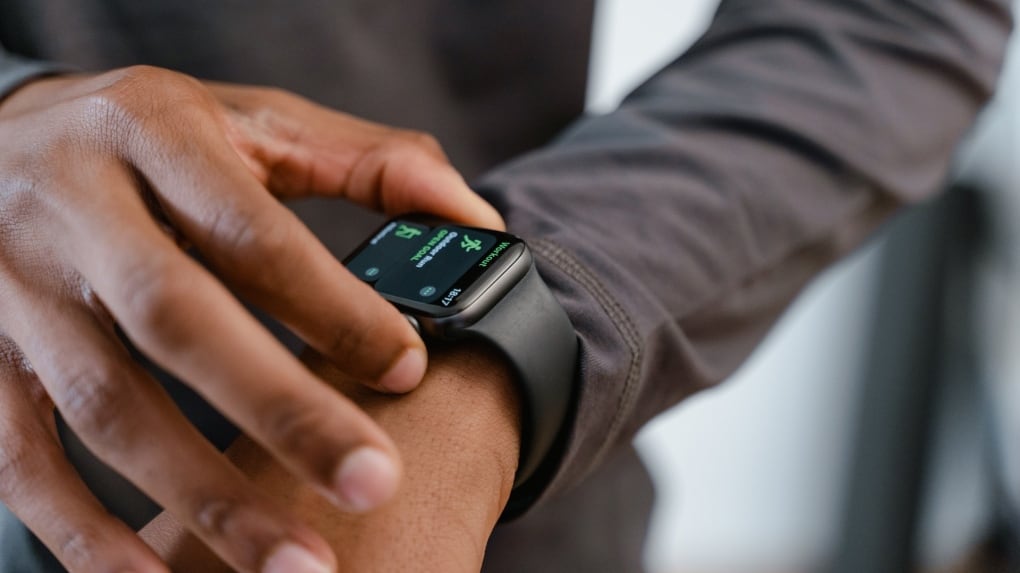
The flu season is upon Canadians as the summer days give way to crisp air and chilly temperatures. But experts say technology, specifically AI platforms, can help people get through the flu season with some ease. Dr. Vera Kohut told CTV Your Morning Monday that there are platforms that can help people track the passage of respiratory illnesses across the country, like FluWatch – a platform by the Public Health Agency of Canada that tracks influenza cases. “It’ll ask you whether you have any symptoms (like) a cough or a fever,” Kohut said. “All of that data is put in, and we can have some sense of what’s happening across the country. And that’s a really interesting way of really checking out your area.” Kohut warns that chatbots are only useful for certain purposes, like providing information about symptoms and a general understanding of an illness. According to data from the federal government, there have been a total of 84 cases of influenza detected in Canada, as of Sept. 13. Ritesh Kotak, a cyber security and technology analyst, told CTVNews.ca on Monday that there are many tools that are leveraging AI to monitor potential disease outbreaks, like the flu. “Now we have AI tools that can ingest the data a lot faster and draw inferences much quicker for people that need to actually get access to this information,” Kotak said. Beacon, an AI-based disease tracker, looks at different diseases across countries to give it a “risk score,” he explained. “If somebody’s posting on social media about rabies, you have a local health authority that posts something on social media or puts out a news release,” he said. “Instead of that being isolated, AI is able to take that information and make use of it to create potential alerts.” He said the World Health Organization (WHO) has a database from different governments and hospitals that takes in the information and aggregates it to create a dashboard of disease events, especially a disease like influenza, so people who are looking to travel outside Canada can be better prepared. However, Kotak pointed out that it is important to note that all the information in these platforms is based on reported cases. There could potentially be a larger or smaller number of cases present than shown, due to the lack of reporting. The information is also protected due to provincial privacy legislations, which makes it tougher to get a real-time estimate of the health issues prevalent in a specific area or community, he added. “The AI that does it for a threat assessment purpose will look at social media,” Kotak said. “It will look at all these different factors, news releases, but this is looking at information that’s reported to them when it comes to outbreaks, and it’s looking particularly at influenza.” AI can help in other ways in the form of wearable technology, like smart watches, he added. “That device knows a lot of information about you. It also knows health related information, how much you’re sleeping, potentially how much you’re walking, how much (you) exercise. Wearables are getting intimate health related data,” he said. “(The wearables are) able to look at your breathing, whether you have a fever or not, your body temperature and your heart rate.” However, Kohut and Kotak warn that AI can only help with information, but it is not a diagnostic tool. “Understand that it’s programmed to give information,” Kohut said. “If data is changing, information is changing very quickly. It may not be necessarily totally up to date. That’s important.” She also added that the information databases are not always accurate when it comes to pediatrics. They are better for adults than they are for children. “You can ask for some basic symptoms, but don’t ask it to make a decision for you,” she added. “The decision has to be based on you. Gather enough information and speak to someone who’s in the know or at least go to sites where you know that the information is really well vetted.”