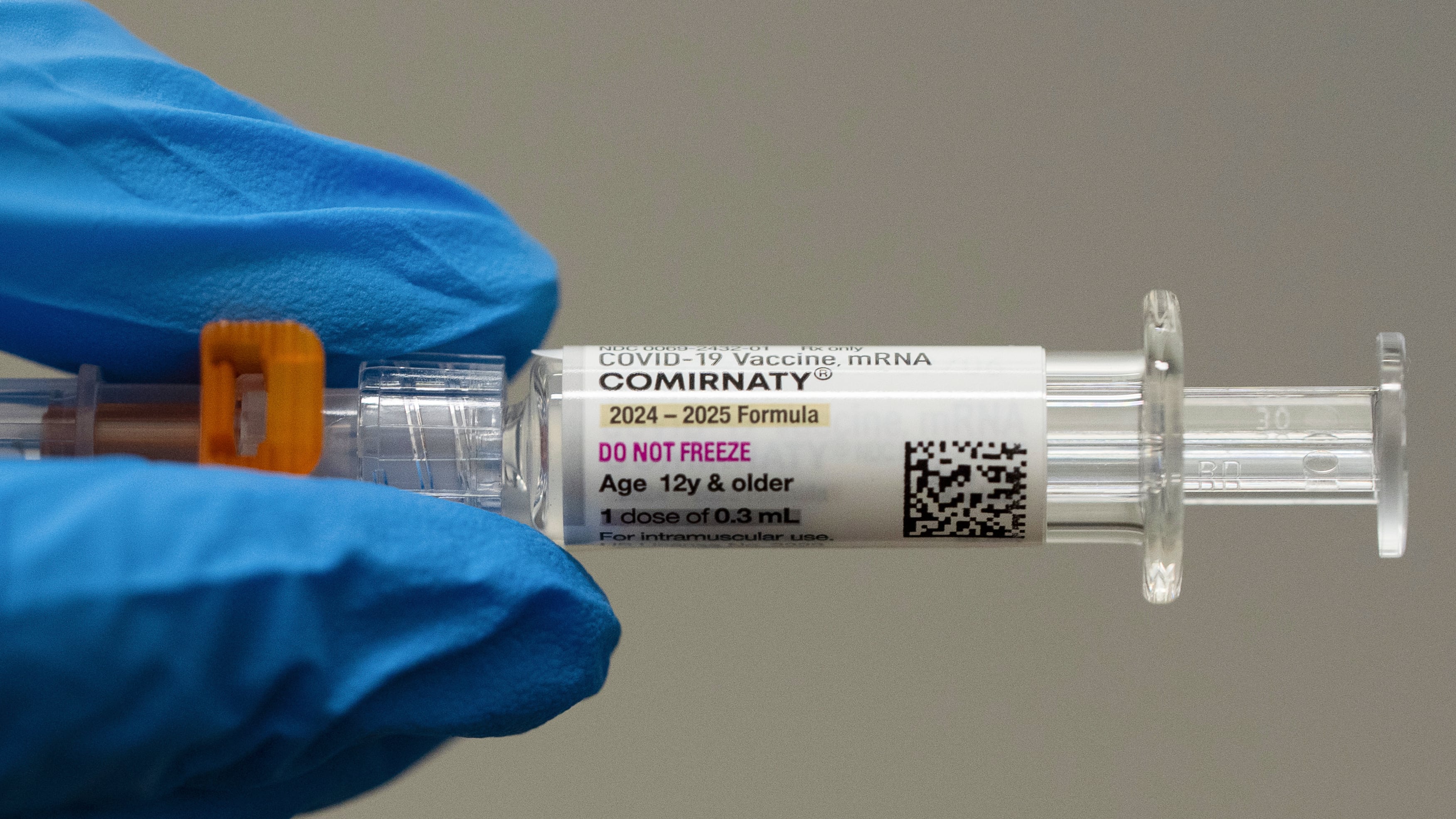
Positive tests and outbreaks linked to COVID-19 are increasing in Canada, according to the federal government’s latest data. The rise in the respiratory virus has resulted in a growing number of reported hospitalizations across the country, the latest Canadian respiratory virus surveillance report found. What does the data show? The report found that 11.4 per cent of COVID-19 tests were positive, with 2,799 detections, as of the last reporting week ending Sept. 27. This percentage is compared to rates for influenza and RSV. Ninety-seven per cent of lab-confirmed respiratory viral outbreaks reported in recent weeks have been connected to COVID-19, it added. “I think to nobody’s surprise, in the late summer and early fall, we’re starting to see a rise in COVID-19,” Dr. Isaac Bogoch, an infectious disease specialist based at Toronto General Hospital, said in a video interview with CTVNews.ca on Tuesday. “We can also expect shortly to see a rise in influenza and respiratory syncytial virus, as we enter the mid-fall to late-fall season.” The weekly hospitalization rate for respiratory viruses in general is trending up at 1.7 hospitalizations per 100,000 people. A total of 571 hospitalizations were confirmed for the week that ended Sept. 27. The spike in respiratory hospitalizations is due to the growing number of them tied to COVID-19, according to the report. It didn’t specify how many were connected to COVID-19. “The virus continues to mutate predictably,” Bogoch said. “There’s no change in terms of how COVID is diagnosed, how it’s managed, how it’s prevented.” What are COVID-19 variants? The virus that causes COVID-19, known as SARS-CoV-2, can create new variants with different characteristics, according to the Canadian government’s website. As a result, they can affect the way COVID-19 is spread between people, its severity and ability to infect people even if they’re vaccinated. Government data up to and including Aug. 31 shows the numerous variants identified from wastewater samples across Canada. “The vaccine is updated to more closely resemble the circulating strain, but the circulating, sublineage of Omicron is not expected to have any major changes in terms of how it’s diagnosed,” Bogoch said. The World Health Organization named Omicron a “variant of concern” in November 2021. Canada created more border measures for travellers in response to fears of Omicron spreading at that time. What vaccines are available? Anyone can be infected with COVID-19, though some people are more vulnerable to severe effects due to biological or social factors, according to the Public Health Agency of Canada (PHAC) on its website. The older versions of the COVID-19 vaccine are no longer available, and the current ones may vary by jurisdiction, PHAC states. Some side effects were reported to be “very common,” PHAC said. However, it noted that side effects are “mild or moderate and transient,” and can go away within a few days. Side effects may include pain, redness and swelling at site of the injection. An individual’s groin may also swell or become tender. Other side effects may include fatigue, headache, muscle pain, chills, joint pain and fever. “Serious adverse events following immunization can occur very rarely,” PHAC wrote. Who should get a vaccine and why? Bogoch said people may choose to get vaccinated based on their individual circumstances and preferences. He recommends people get advice from their doctors or other health-care providers. The COVID-19 vaccine has been shown to be “effective” in preventing severe disease including hospitalization and death, as well as lower the risk of post-COVID conditions, according to PHAC. The vaccine is recommended for those at increased risk of infection or severe disease. Those who are more vulnerable include people at least 65 years old, infants at least six months old, and health-care workers and other care providers. People who are pregnant, have underlying medical conditions and live in long-term care homes and other congregate living settings are also considered high risk. Individuals six months and older, and not among the high-risk populations, may also receive the vaccine, PHAC said. Previously vaccinated people can receive one dose per year. Those at higher risk for severe illness are advised to get two doses annually. Vaccinated adults aged 65 to 79 who are not high risk may obtain a second dose annually, PHAC added. Where can I get a vaccine if I want one? People can get vaccines at pharmacies, family physicians’ offices and public health clinics, among other locations. Bogoch recommends individuals check the availability of vaccines in their area.