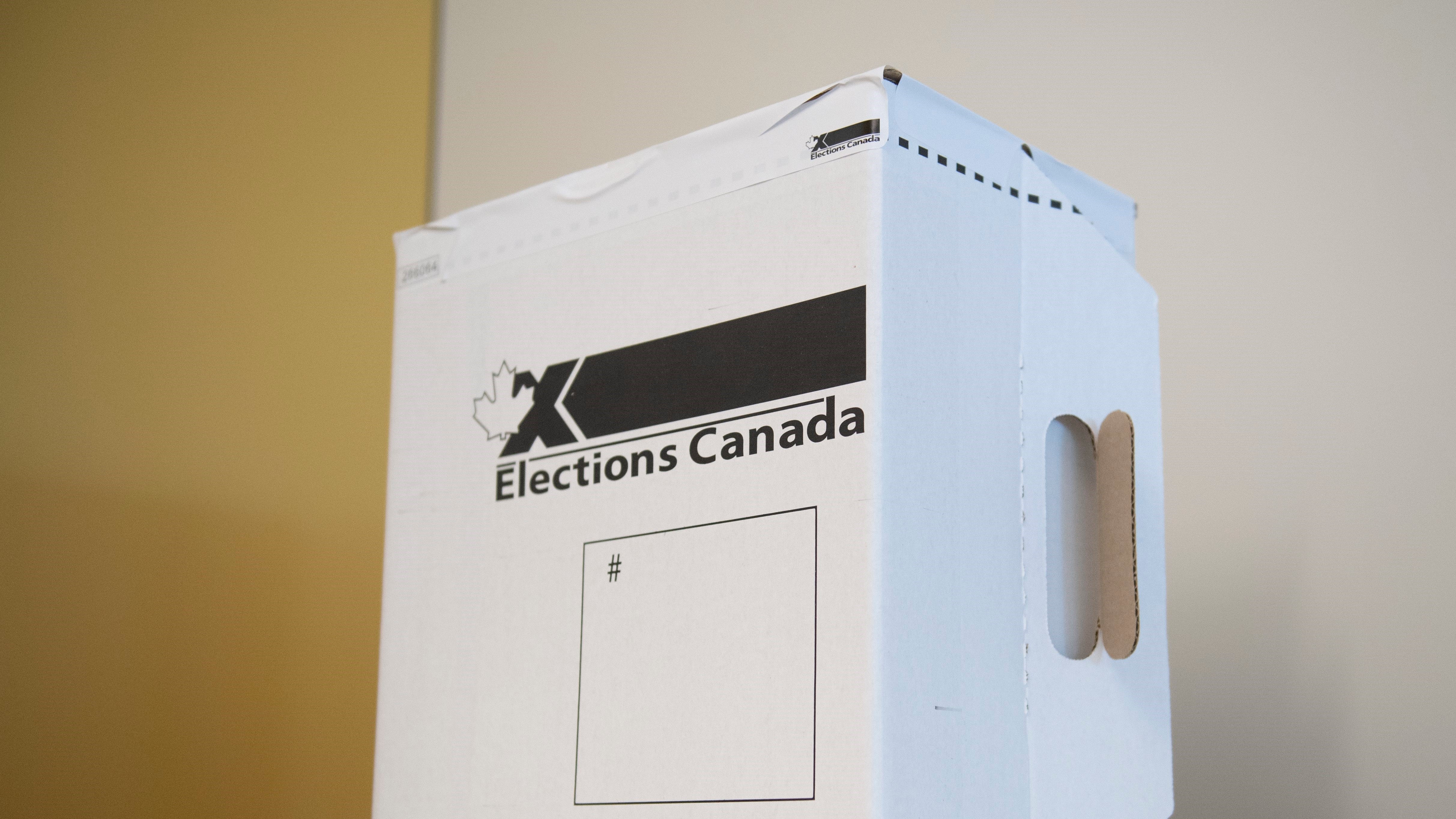
Elections Canada is hiring more than 200,000 people for temporary roles as the federal election approaches in April. Each position pays at least $20 per hour, according to Elections Canada. With people facing a tough job market, these roles can offer an opportunity for individuals to secure some much-needed stability and earn extra income. Liberal leader Mark Carney called a snap election on Sunday, just over a week after being sworn in as Canada’s 24th prime minister. Political leaders, including Conservatives’ Pierre Poilievre, NDP’s Jagmeet Singh, and the Greens’ Elizabeth May and Jonathan Pedneault, have begun campaigning nationwide. The federal election is set for Monday, April 28, with early voting from April 18 to 20. Who is eligible to work at Elections Canada? Poll workers must: Candidates need basic literacy skills, interpersonal skills, the ability to manage electors with disabilities, attention to detail, and the ability to follow instructions. Who is ineligible? Individuals ineligible to work include: Poll Worker Positions Candidates must be prepared to work 13-hour shifts. Some roles may require standing for long periods, working near exterior doors (subject to weather), or performing repetitive tasks. It is essential that all workers adhere to guidelines and remain impartial throughout the election process. All poll workers will receive three hours of paid training. Key poll worker roles: Deputy returning officer Information officer Registration officer Central poll supervisor Administration and local Elections Canada offices Before the election, returning officers select “key staff” who will ensure smooth operations and provide registration and special ballot services once the election is called. Vote on campus Elections Canada is opening voting offices on select campuses to make voting easier for students. Part-time service agents and information officers will be hired. Interpreter – Indigenous elder and youth program Indigenous elders and youth will assist electors in communities by providing interpretation services in Indigenous languages. The interpreters will work in shifts of six hours per day. Training will be provided, and candidates must be fluent in English or French and at least one Indigenous language. Economic context In February, Canada added just 1,100 jobs—below expectations and a sharp drop from January’s 76,000. This slowdown is tied to ongoing trade tensions, including U.S. President Donald Trump’s tariff threats. For more information about the election and available jobs, visit the official Elections Canada website.