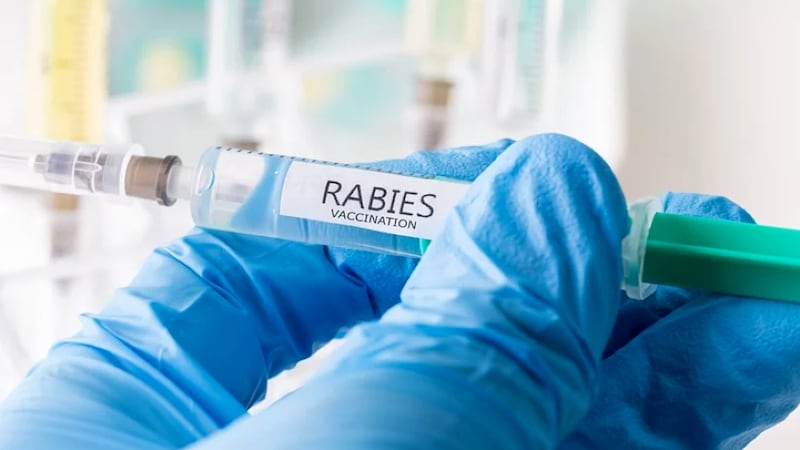
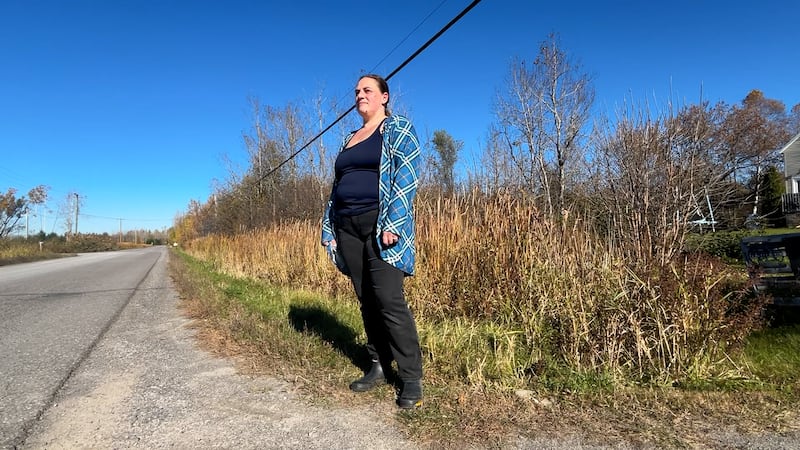
Marta-Marika Urbanik has been trying to raise awareness about hot shot homicides in hopes of better identifying and preventing them. Hot shot homicides, also known as hot caps, is an intentional killing done by giving someone a lethal drug or a lethal dose and leaving them to die. The murders are often brushed off as being overdoses. This type of homicide disproportionately impacts vulnerable people who are typically frequent drug users and are often homeless. Urbanik, a criminology professor at the University of Alberta, says hot shots are different from overdose deaths, because there is an intention to kill someone, not just dealing a substance that could eventually kill them. “Oftentimes, what makes hot shots as effective as they are, is precisely because it is very difficult to figure out what was a homicide and what was self-inflicted or an accidental overdose,” said Urbanik. “In that sense, you’re often looking at marginalized people in marginalized spaces.” But with the far reaching effects of the opioid crisis, hot shots are making their way into other segments of society, said Urbanik. “We expect street-involved and highly marginalized people are the more likely victims of hot shot murders, but that doesn’t preclude those middle class, upper class folks who are struggling with substance use.” She said it is suspected that many hot shot homicides are brushed off as just being an overdose. ‘The perfect crime’ Retired Edmonton police officer Dan Jones said hot shots are often referred to as the perfect homicide. “The problem with hot shots is, how do you prove that it’s a homicide,” he said. “It’s almost the perfect crime, especially if someone’s a previous drug user and they already have track marks and needle marks.” He said it’s nearly impossible to prove the manner of death unless someone were to come forward about committing the homicide. Hot shots aren’t widely studied, and there is little data on how often they happen due to the nature of the crime, but they are often discussed among people who live and work on the streets. “The unfortunate thing is, a lot of times these individuals are a subculture of people in this world, and oftentimes society kind of throws them away, which is really sad,” said Jones. “They’re not viewed as real victims because they were involved in a certain lifestyle.” But there is not much that can be done by way of preventing hot shots, other than trying to get the word out. “I don’t think we can say police should do this or that better, or the medical examiner,” said Jones. “It’s one of those things where if we find out that they’re happening, police put as much effort as they possibly can into determining if it is a murder. But beyond that, it’s really a challenge.” Sgt. Rocky Hanson with the Edmonton police drug and gang enforcement unit says an overdose will get called in, but the witness will disappear. “They don’t want to be associated with it, so there isn’t always a good witness there,” said Hanson, adding that when there is, investigators can start piecing the story together. Investigators will often talk to witnesses about what the deceased’s drug of choice and method of consumption is. A needle found by someone who smokes fentanyl can ring alarm bells, for example. “Little things like that could be brought to the attention of initial responders and investigators then they know what they’re looking for,” said Hanson. Rare charge in hot shot murder Four people were charged in the 2019 killing of 25-year-old Nature Duperron after it was found she had been injected with fentanyl against her will. Court documents say a group of people robbed, beat and kidnapped Duperron in Edmonton. The mother of three was then driven to the woods near Hinton while being injected with fentanyl where she was left outside to die. An autopsy found that Duperron died from fentanyl and methamphetamine toxicity. Court documents noted she experienced blunt force trauma injuries, including to her head. Tyra Muskego was convicted of manslaughter, kidnapping and robbery and was sentenced to 12 years in prison. Buddy Ray Underwood was convicted of second-degree murder as well as kidnapping and robbery and sentenced to life in prison with no chance of parole for 17 years. Grayson Eashappie and Kala Bajusz both pleaded guilty to second-degree murder in Duperron’s death. Police were notified of the homicide by Brett Desjarlais, the driver of the vehicle, who led officers to where Duperron’s body was left near Highway 16. He was granted immunity for cooperating with police and prosecutors. “We really encourage the public to just pay greater attention to this, open up the conversation, and hopefully pay more mind to some of these deaths,” said Urbanik. With files from CTV News Edmonton’s Miriam Valdes-Carletti