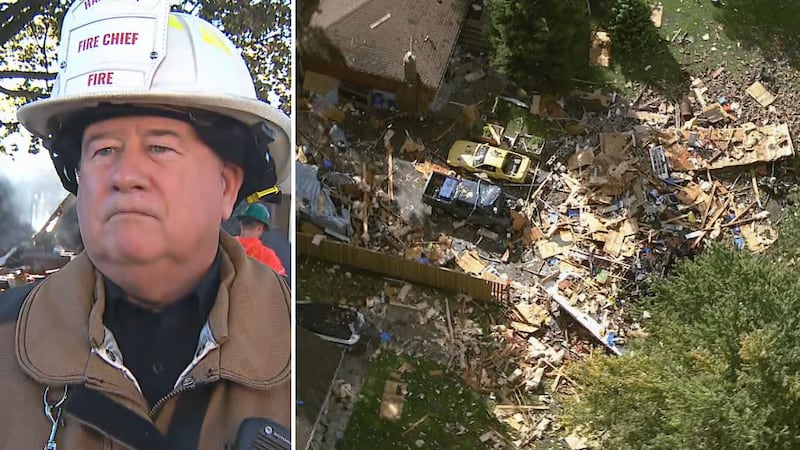
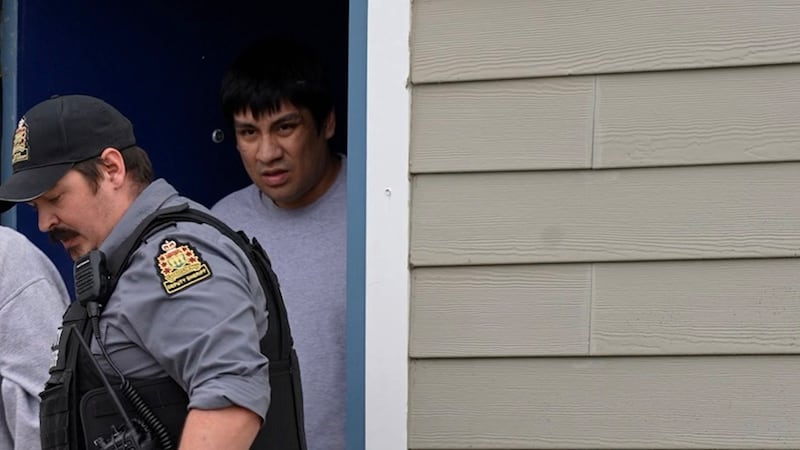
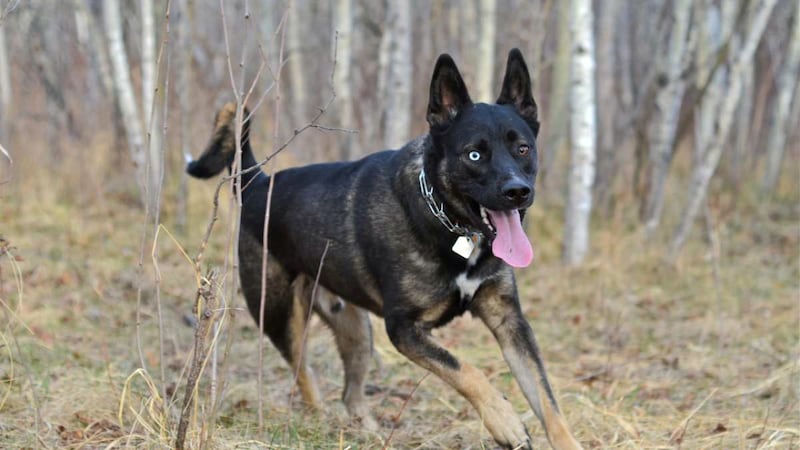
Two fire investigators testified on Thursday about the presence of an accelerant at the trial of a man accused of setting fire to his apartment. Fire broke out in the apartment suite where Jason Zabos resided at 12:45 a.m. on Jan. 26, 2024. Seven other residents of the building, including a toddler, were hospitalized. All of the residents lost their homes and belongings. The body of Ricardo Olivares, 70, was found in the charred remains of his suite on April 22, 2024. Zabos had been barricaded in his suite in the building at 10745 79 Ave for eight hours before the fire broke out as a provincial bailiff and police tried to serve him with an eviction order. He is charged with manslaughter and arson with disregard for human life. Earlier in the trial court heard that Zabos had made a post to Facebook threatening to burn down the apartment days before the fire. A member of the Edmonton Police Service (EPS) tactical unit testified that he saw Zabos throw what appeared to be a Molotov cocktail as the fire broke out. He added he had never seen a fire spread as fast as the one at the apartment. On Thursday Ian Smith, a 21-year veteran of Edmonton Fire Rescue Services (EFRS), testified that he and his canine unit Marshal attended the apartment on Jan. 28, 2024. Smith testified that he and Marshal went through Zabos’ apartment suite, ending up in the bedroom. “You can hear his nose going into overdrive,” he said of Marshal when they reached the bedroom. He said the dog alerted at a spot at the end of the bed, adding he rewarded Marshal, and let him go back to work. “He went to the exact same place,” he said. The Crown asked what Marshal is specifically trained to detect and Smith replied that he’s trained to detect the presence of an ignitable liquid. Smith said samples were collected from the area where Marshal alerted and were identified at the RCMP forensics lab as a medium petroleum distillate like lamp oil, gasoline or some types of camp fuels. Smith also testified that he and Marshal were called by EPS to investigate the clothing worn by Zabos on the night of the fire. He said Zabos’ running shoes, socks, long johns, pants, sweater, and t-shirt were spread out with six feet in between each item and Marshal was given the chance to investigate and alerted on each of the items at least once. During the cross examination the defence asked how confident Smith was about Marshal’s ability to detect an accelerant. “If he says there was something there I believe him,” Smith replied. Smith and Marshal have attended over 230 fire scenes. Lithium ion battery questions The second witness to testify was Robert Resler, a 20-year veteran of EFRS. Resler testified that investigators knew the fire had started in the bedroom of the suite. “There definitely was more damage in the bedroom than anywhere else in the suite,” he said. He said there were a number of power bars and electrical cords in the room, but investigators found they had been damaged as a result of the fire and were not where the fire originated. The origin point of the fire was determined to be a large pile of debris at the foot of the bed. Resler said in making his conclusion on how the fire started he ruled out smoking materials and an electrical malfunction. “My conclusion was it was a deliberately set fire,” he said. During cross examination Resler was asked about whether a lithium ion battery could have been the cause of the fire. Resling says in the case of lithium ion battery related fires, copper paper from inside the cells is usually found at the scene. He said he didn’t notice any such paper in Zabos’ apartment. The defence asked if it was possible a lithium ion battery could have been in the electronic debris where the cords were but Resling noted the area where the cords were was not the origin point of the fire. The defence asked what would have caused a fire to spread as quickly as the one in the apartment. Resling said the presence of an accelerant; adding a fire in a pile of clothing wouldn’t normally burn as fast as this one did. He added that more than a cup of accelerant would be required. After cross examination the Crown asked if any copper paper was found in the suite and Resling said no. The trial will continue after the Thanksgiving weekend. With files from CTV News Edmonton’s Amanda Anderson