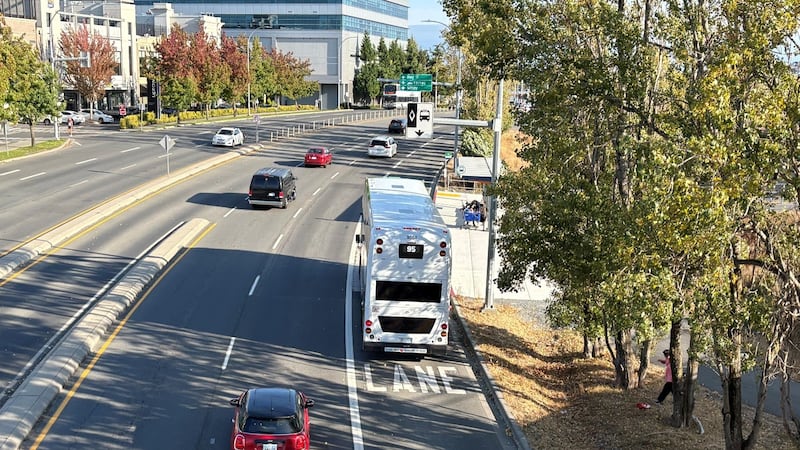
Even though winter weather hasn’t quite arrived in Edmonton, the city is starting its snow and ice control program for the season. The city says service levels will stay the same as previous years, but it will be focusing on better communicating important information to residents. Several communication channels will be used this season due to feedback from last year. The city will endeavour to provide real-time data with accurate information on service level timelines. “The online maps have the most up-to-date detailed information about parking bans,” said general supervisor of infrastructure field operations Valerie Dacyk on Friday. Edmontonians can sign up for service notifications using their city website accounts. “We really encourage residents to sign up for the notifications,” says Dacyk. “As we consistently improve and update our notification system, residents can add five addresses. So that could be your home, your work places, your family travels, so you can get information to your phone and email directly about the bans in your area.” The city is also reminding residents of the role they play, from moving vehicles during parking bans to making sure sidewalks in front of their homes are cleared for pedestrians. “We live in a winter city,” says parks and road services branch manager Caitlin Zerebeski. “Everyone here plays a role in keeping our streets safe, accessible and livable.” Failure to clean sidewalks could result in a $100 fine, and failure to move vehicles during a parking ban could result in a $250 ticket or tow. The city says it issued 2,248 tickets during parking bans last snow season. Phase 1 parking bans apply to major roads and bus routes, including arterial roadways, collector roadways, business improvement areas and bus routes. Affected roads are marked with “seasonal parking ban” road signs. Phase 1 parking bans may last for up to five days. Phase 2 parking bans apply to residential and industrial roads and occur after a Phase 1 ban. Phase 2 bans can last for up to two weeks, but only affect individual neighbourhoods for approximately 72 hours. Phase 1 bans follow a major snow event. A Phase 2 ban won’t be triggered until the snow pack exceeds five centimeters. “We cannot stress enough that we need residents to move their vehicles during the residential bans,” says Dacyk. “Our crews cannot effectively clear the roadways when there are vehicles parked in their way.” The city will be using social media, podcasts and local media outreach, in addition to its online roadways snow clearing map and active pathways snow clearing map. Community sandboxes for residential use will be made available again this year and the city says it’s working to improve its snow storage facilities. Four out of the city’s five facilities will be open this year, with the Kennedale snow storage site in the northeast reopening. The Poundmaker snow storage site in the west end is undergoing upgrades this year and is expected to open again in 2026.