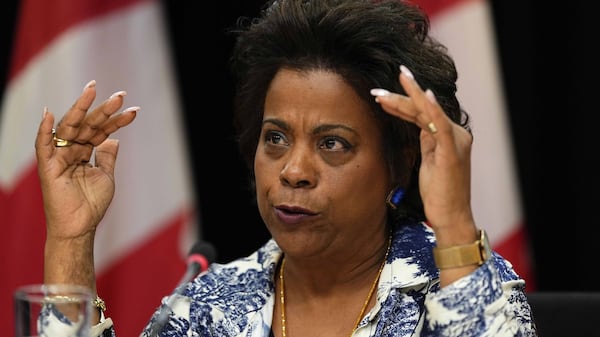
Sara Austin, founder and CEO of Children First Canada, speaks to Alberta Primetime’s Michael Higgins about Canada’s Safe Social Media Act (Bill C-34). This interview has been edited for length and clarity. Michael Higgins: When we last spoke in early February, you had just testified before the House of Commons Heritage Committee, pressing the federal government to fast track legislation. So now that this new bill is out, how big of a shift do you see it creating when it comes to responsibility for a safe online environment? Sara Austin: I was overjoyed to see this week’s news, and to see the government finally taping this long-awaited legislation. It’s taken far too long, but it’s never too late to protect our kids in the digital world. As a mom raising a teenager, let alone as somebody who advocates for our kids across Alberta and all across Canada, this is a really, really important shift. For more than a decade now, children and parents have been shouldering this burden alone – and of course, parents are the most important and the most responsible when it comes to protecting our kids, but we can’t do this alone. We’re fighting a multi-billion-dollar tech industry, and this new legislation shifts a significant part of the burden onto the tech companies who have been designing apps and platforms that are profiting off of the exploitation of children. There’s no other market where we allow this to happen…. We expect them to prove that their products are safe, and now we’re finally doing the same for social media. MH: In terms of long-term effectiveness, even societal impact,. how far do you see this bill going above and beyond simply regulating those platforms? SA: This bill signals a really profound cultural and legal shift in the Canadian landscape and in the digital landscape that our kids are growing up in. Three decades ago, it was normal to smoke in hospitals or in the workplace. It’s such an absurd idea now, but at the time it was culturally acceptable. We are starting to see a tide change similarly around technology, knowing that it is not only making our kids sick and injuring them, but that it’s actually causing childhood deaths. I’ve met with far too many parents who have buried their children because of the tragic consequences of harms that happen in the digital world, things like cyber bullying, sextortion, luring, and the mental health impacts that can happen, not only on social media but AI chat bots increasingly, as well. This legislation is much more than a ban. It really requires these companies to design their products with the safety of our children in mind to prevent the things that we know harm our children; things like the addictive algorithm, the driving of harmful and hateful content towards kids, and really requiring them to be held accountable. There will be a new independent arm of government that will monitor their compliance, be able to issue stiff penalties, and really, really hold their feet to the fire, which is so important. MH: In terms of enforceability, what should be expected of this yet-to-be developed digital safety commission? What will give this new regulator teeth? SA: This is in many ways a made-in-Canada solution, but it is following best-in-class examples from countries like Australia, the European Union and the United Kingdom, where they have had digital safety commissioners of some sort for many years. This is something we have long advocated for, because we cannot just simply have a law on the books – it has to be enforceable. In Australia, for instance, they have an e-digital safety commissioner that has been monitoring the new social media ban that was implemented there just a few months ago, and it’s clearly showing with their evidence that these companies are not doing what they’ve been asked and required to do, which is removing under-16 people from their apps, and they’re starting to issue stiff penalties for these companies when they fail to comply. We know that here in Canada, this will take some time to fully come about. This legislation isn’t passed yet; it’s going to take months before it works its way through parliament, and they’re estimating it could take up to 18 months before the digital safety commission and all these other components of regulations come into full effect. But we need to work with a sense of urgency, recognizing that every day matters in the life of our kids, and they’ve paid tragic consequences because it’s taken so long. MH: If we bring this into our homes, what degree of engagement do you see this legislation requiring of parents? What should parents be looking for here? SA: While this legislation works its way through the house, there are things that we can do every day as parents that would make a meaningful difference of lives: our kids setting certain ground rules around the role technology plays in our household; what apps they can and cannot use; keeping phones and other connected devices, whether they’re laptops, tablets, or even gaming, for that matter, in public places in the home. We can be talking over the dinner table, or in family time about this new law, and getting young people’s reaction to it. What does it mean to them? What are their questions? What are their concerns? (Not) treating this as a one-and-done conversation to keep talking to our kids about what are they seeing in the digital world, what are they excited about, but also what are they fearful of, and for them to know that first and foremost, that if they see something online or experience something online that is harmful, they should come to us without fear of shame or blame. MH: The Alberta government feels policies should empower parents to have tools to protect their children. How do you see that perspective meshing with the direction now being taken by the federal government? SA: We can’t afford to have a patchwork of approaches that leave some kids protected and some far behind, and so I think the federal government is playing an appropriate role here. That’s not to say that the provincial government also doesn’t have a place to lead; of course they do. We think particularly of the role of technology in schools (and) the fact that AI is now being rolled out in a wholesale manner, being promoted not only provincially and federally. But kids right now don’t have the digital literacy to be able to know how to protect their digital privacy, how to stay safe with AI chat bots, and so we need parents and educators to really be stepping up, and for a provincial government to be legislating where it’s appropriate around things within their jurisdiction.