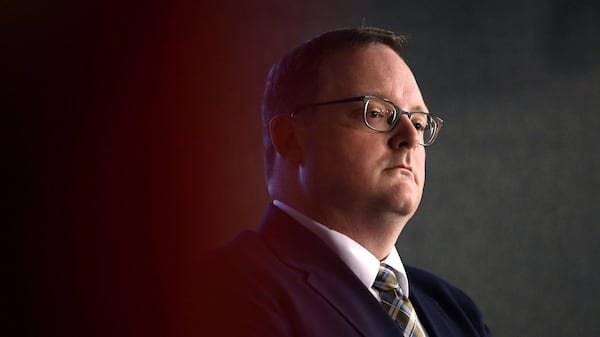
Edmonton's public transit system is increasingly costing the city more than it is making in revenue, an audit of the Edmonton Transit Service has found. The report, delivered to council on Tuesday, says taxpayers are subsidizing the system more than they have in the past and the city isn't doing enough to track and generate revenue. According to the audit, the cost of running ETS grew by 211 per cent between 2000 and 2018, from $105 million to $327 million. Meanwhile, total revenue increased over that period by 166 per cent, from $51 million to $136 million. And, by 2018, taxes were subsidizing 58 per cent, or $191 million, of the costs of ETS. In 2000, the service was subsidized by 51 per cent, or $54 million. "Although ridership has grown over the years, this growth has not provided enough revenue to maintain a lower subsidized percentage of costs," the report reads. ETS Branch Manager Eddie Robar responded to the audit on Tuesday, saying management was aware there were improvements to make. "This is not something that surprises us. We’ve been working through this process for quite some time now, especially on the revenue management side.” One issue is fare evasion, though Robar says it is very hard to track until the system goes paperless. He added, " Leading into the new world of fare product and SmartFare, obviously that’ll help us with a lot of the controls that we have in ensuring that we’re moving in the right direction to limit the risk to the organization.” SmartFare is expected to launch in 2020, at the earliest. The audit also names a decrease in full-fare revenue due to discount programs as a contributing factor, and a levelling off of ridership after it peaked at 89 million users in 2014. "As such, it is prudent for ETS to optimize revenue from non-fare sources," reads the report. The audit also highlights a "lack of guidance" and "inconsistent approaches" when it comes to track, documenting and generating fare and non-fare revenue, such as advertising. "There are weaknesses in the ETS governance framework related to revenue management. These weaknesses can impact the ability of Council and administration to make well-informed decisions," reads the report. Robar responded, "We know we have gaps we have to close and we're working through that to get there." In the meantime, the City has been given one option for reducing the burden on taxpayers: convince Edmontonians to use it. The report also recommends increasing or finding other streams of revenue, improving fare security, and standardizing how transit fares and the revenue-cost ratio is decided. Of the eight recommendations in the report, Robar told CTV News Edmonton half will be implemented by the end of 2019, and the rest will follow next year. With files from Dan Grummett