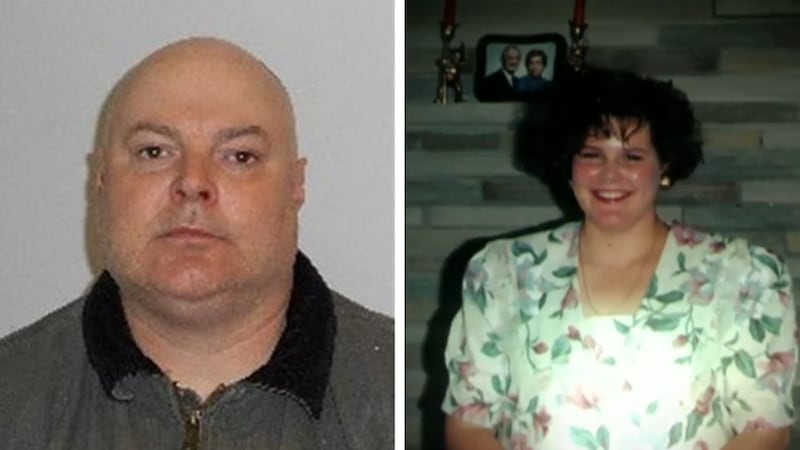
The mother of a son who died of a carfentanil overdose in March – the highest month for opioid-related deaths in Edmonton on record – is wondering why no public safety alerts are being issued about the toxic drug supply circulating in the city. “There was carfentanil in his drug – and that’s a death sentence,” Karen Cadieux told CTV News Edmonton. Carfentanil is known to be 100 times stronger than other varieties of fentanyl. Cadieux said that her son Stephen Klein had been struggling with drug addiction for 15 years after his father died of cancer and his brother was killed at a house party. Klein worked to recover from his crack addiction by going to voluntary treatment, joining the navy and going to university. But during the COVID-19 pandemic, the isolation became too much for him and he started using meth, said Cadieux. “For anyone who’s trying to maintain recovery, the worst thing for them is isolation.” Cadieux said Klein was very open and honest with her about his recovery journey. “He would’ve never willingly taken that drug.” In March, 87 opioid-related deaths were recorded in the Edmonton area – the most since 2016 when the province began tracking them. “Me and 86 other families have been grieving since March,” said Cadieux. “That’s a crisis. I’ve never seen a notice about it. I’ve never seen an emergency report about this contaminated drug supply. We need to do better.” The figure is up dramatically compared to other health regions in Alberta. It’s also higher than lower mainland B.C.’s figure from the same month – which includes both Vancouver and Fraser Valley with triple the population size. Neither the province or police are able to explain why more carfentanil deaths are happening in Edmonton. “The illegal drug market fluctuates, and we cannot predict specific changes in a given market to target one substance specifically,” said a statement from the press secretary for Alberta’s minister of mental health and addictions. Edmonton police staff Sgt. Marco Antonio said police have been issuing alerts about carfentanil dating back to 2017, but these “alerts” are about drug busts, not necessarily warning the public of bad drugs circulating on the streets. “Carfentanil, just like any fentanyl, is super dangerous,” Antonio told CTV News Edmonton. “The risk is significantly higher based on the fact that it’s 100 times stronger than regular fentanyl. Antonio adds that drug traffickers will mix carfentanil with regular fentanyl and other drugs, but they don’t know how to dose it properly. “It’s not done in a lab under proper circumstances,” he said. “It’s literally done with a blender in a basement.” Family doctor Ginetta Salvalaggio who treats people with drug addictions says encampment sweeps can cause users to lose contact with suppliers they know while large drug busts may force dealers to bring in something new. “It doesn’t really matter so much what the specific agent is so much as we are dealing with a drug supply that is uncertain, that is unpredictable,” said Salvalaggio. “It might be carfentanil today and it might be benzodiazepines or tranquilizers tomorrow. “We need to address this ongoing contaminated supply through a bunch of evidence-based harm reduction and treatment interventions.” Angie Staines, founder of 4B Harm Reduction Society, says “drugs will always find a way.” “The harder you stomp down on them, the more dangerous they get,” said Staines. “There is nothing that is going to fix this. “We can give wraparound care, safe consumption sites, drug testing strips, but in the end, until we deal with that drug supply, people won’t stop dying.” Staines and the 4B outreach team are on the ground, speaking with people who are using fentanyl. Warnings about contaminated drug supply are typically communicated through word-of-mouth. Staines said people will tell her about substances they’ve come across, what they look like and what effects it had on them. “We do not have anything specific that’s for the general public,” said Staines on contaminated drug supply warnings. Last year, the Government of Saskatchewan implemented its Drug Alert System that lets people know if there are concerning substances in circulation. Anyone can sign up for the notifications. The app shows images of concerning substances and locations of where they’re found as well as reports of overdoses that are difficult to reverse with naloxone, multiple overdoses in a specific area, multiple deaths or ICU admissions over a short period of time and more than expected numbers of people being seen by a paramedic or in hospital within a short period of time. “The Drug Alert System is now playing a critical role in providing potentially life-saving information to the general public in a coordinated, consistent and timely manner,” said a statement from the Saskatchewan Ministry of Health. Before the alert system was implemented, community-based frontline service providers had expressed a need for a method of communicating with the public about emerging threats in the drug supply. No data was available to determine if deaths or overdoses had gone down. The ministry did say more than 2,000 people were subscribed to the system. All subscribers are anonymous, but may include people who use drugs, their friends or family members, frontline service providers and other concerned community members, said the ministry.