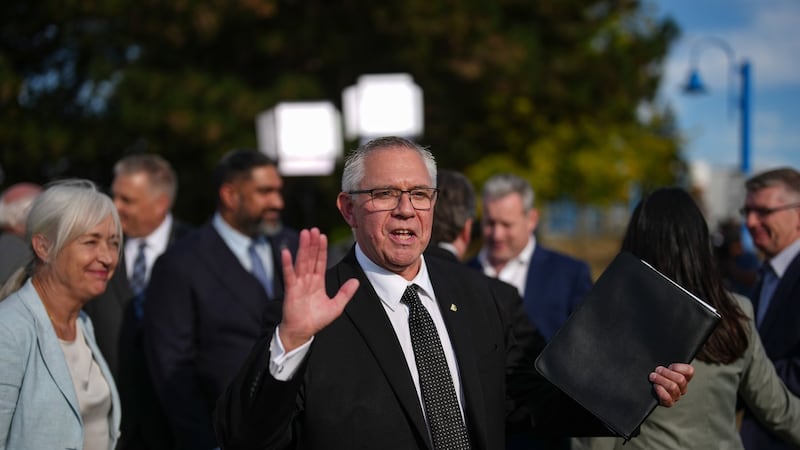
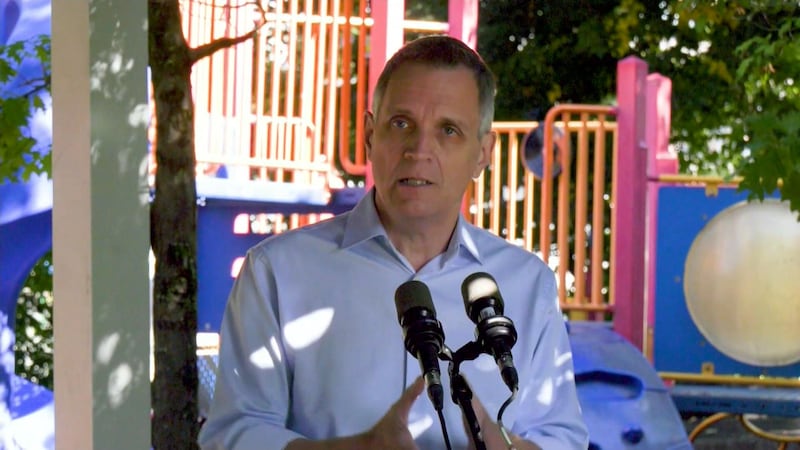
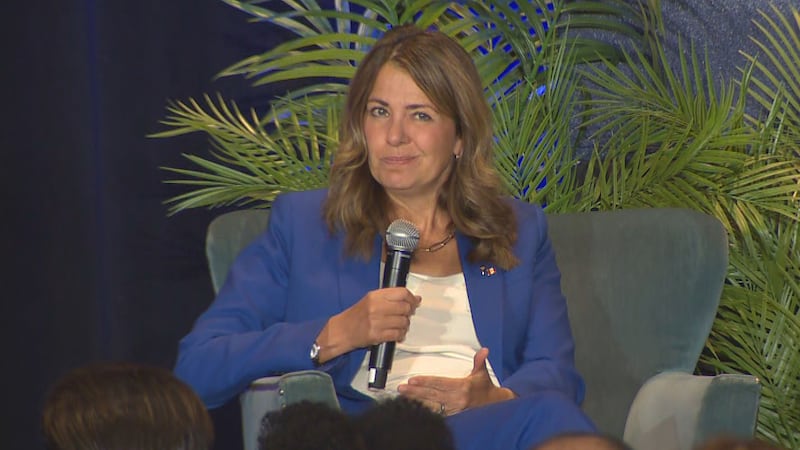
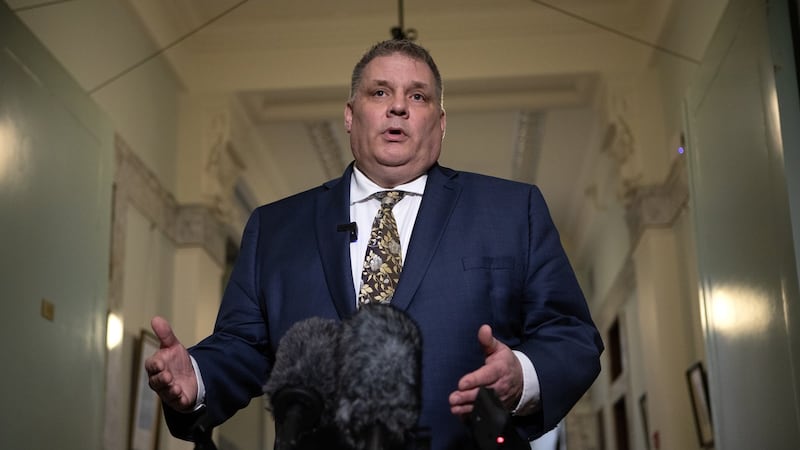
Tourism Industry Association of Alberta CEO Darren Reeder joins Alberta Primetime host Michael Higgins to discuss the future of resort development in Alberta. This interview has been edited for clarity and length. Michael Higgins: The premier made comments at the First Ministers meeting about building more ski resorts in Alberta. What could that represent to the tourism industry in our province? Darren Reeder: It will be a big boon to Alberta’s future tourism plan. There is a provincial strategy for a $25-billion tourism industry by the year 2035. This idea of additive experiences, additive resorts that the international community and our own citizens would look at as being evolutionary, is going to be key to incentivizing people to want to experience these things. What we’re doing is just trying to take a page out of what British Columbia has done very well, quite frankly, over the last two decades and say, ‘Let’s get on with it.’ Here in Alberta we have some of the most majestic, usable landscapes for outdoor recreation on this planet. It’s high time we treat tourism and outdoor recreation as what it is, which is part of Alberta’s natural resource economy. MH: Is this shift in policy something that developers have been clamouring for, or is this a whole new push? DR: It’s both, I think. Investors have been looking for the certainty, and from a public policy perspective what we’ve lacked is the clarity that says development and appropriate use of the landscape for outdoor recreation is something we would consider economically appropriate to do. So investors are never going to look. Pick your industry. It doesn’t matter. Investors will never look at investing in your province if there isn’t clarity about how land can be accessed and developed. This is what we’ve lacked for years where it relates to tourism. Crown land has favored our traditional industries and how we develop them. There’s largely been no objection to tourism activity happening for years, but certainly no public policy lens on how we can do things differently to match what other markets are doing around the world. MH: Do you see this opening up new tracts or land, or building out around existing communities? DR: It’s very much existing to start. It’s really clear to note for listeners that designation within the act does not mean approval. The process does not replace the requirements under the Environmental Protection and Enhancement Act, Water Act, or other acts that have cumulative effect requirements and review from proceeding. Indigenous populations need to be consulted. The public will have their opportunity to comment on these proposals and whether they align with Alberta goals and objectives. The transparency is absolutely there, but it’s certainty the investors have about how to approach their projects that has made all the difference. I think it’s going to be transformational if we look at this landscape in three to five years time. MH: What do you feel Alberta could learn from B.C. in this regard? DR: Everything, quite frankly. B.C. has 13 all-season resorts. Alberta has nothing. This was really a push by the B.C. government nearly 30 years ago to be leaders in the outdoor recreation space on a global level. We would argue, from an Alberta perspective, they’ve largely been successful. That’s come at Alberta’s expense. We have five billion Albertans today, almost double what we had 30 years ago. A lot of that spending is occurring by Albertans in British Columbia. We’ve kind of marveled at this idea that we should have opportunities for Albertans to experience world-class resorts in their own backyard. Some of this is about economic rebalancing. It’s about trying to create Alberta jobs and investment opportunities that support Albertans’ growth priorities for the future. We’re really excited to learn from what B.C. has done very well, and full marks to them for the work they’ve done over the years. MH: It’s been announced that in November, there will be a new non-stop flight from Calgary to Abu Dhabi. What’s driving that development and what impact could it have? DR: What’s driving the development is the province’s focus on trade development offices around the world where we think we have market potential. As I understand it today, we do about $250 million a year in trade with Dubai, which arguably is not a lot, when you compare it to the value in U.S. dollars. There is a world of opportunity, quite literally, and opening the market further to working with Abu Dhabi and the whole UAE. This is a market within about an eight hour flight distance. Within the UAE, you can reach over 80 per cent of the world’s population. The markets of Africa, Asia and Europe are hugely important to inform the growth of tourism for Canada as a whole, but certainly to Alberta. We’ve often marveled at this idea that selling to the world starts with having direct air access. So yesterday’s news is monumental to opening access to a part of the world where we’re just beginning to scratch the surface of our trade potential, to say nothing of the reciprocal opportunities for travel. MH: How do you realistically see Alberta’s tourism industry growing in the years to come? DR: $25 billion is the provincial target that’s been set. We were at a high watermark for tourism pre-Covid. We were at about $10.1 billion, which we thought was doing OK, but certainly not leading relative to markets like B.C. If you measure it based on 2024 values, we were about $14.4 billion. I think we’re going to be closer to closing in on $15 billion, maybe a little bit more in 2025. The books are closed on that year. That’s 150-per cent growth just coming from pre-Covid work six years ago. As we cast forward another nine years it’s entirely in the realm of possibility, as we start to add things like all-season resorts and the spending and job creation potential of those, that we will meet and possibly exceed $25 billion. I’m incredibly optimistic. This is due in part to the confidence of investors in investing in Alberta. Also this Alberta government has finally got in the lane of understanding that tourism and outdoor recreation is part of the natural resource economy, and we need to invest in it in a way that provides long term sustainable growth and job opportunity for Albertans.