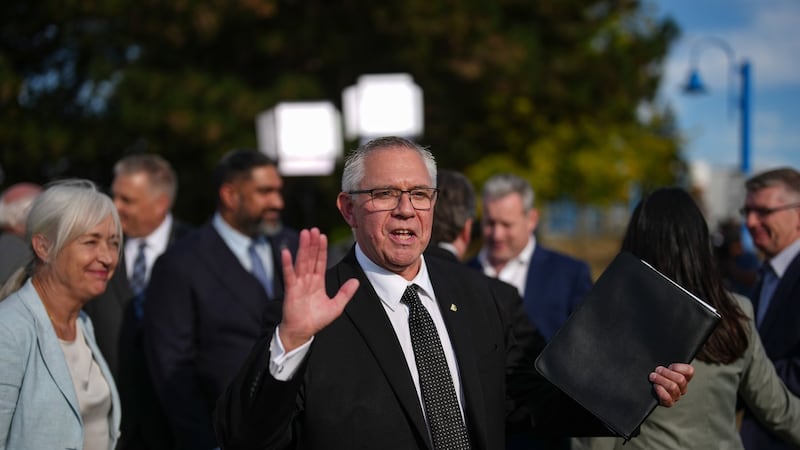
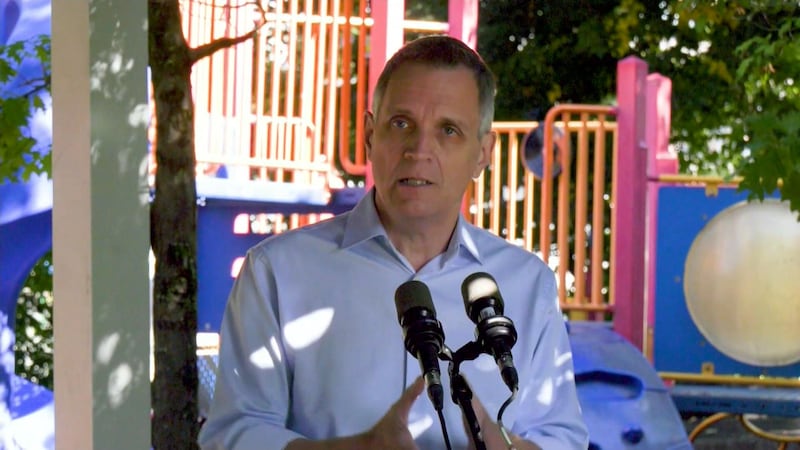
Cold Lake First Nation Chief Kelsey Jacko joins Alberta Primetime’s Michael Higgins to discuss a new coalition opposing the Pathways Alliance pipeline. This interview has been edited for clarity and length. Michael Higgins: What is it about this proposed carbon capture pipeline that is most concerning for residents of Cold Lake First Nation? Chief Kelsey Jacko: For decades resource development has occurred in our homelands without enough say from our nations, resulting in significant impacts on our lands, water and treaty rights. Treaty was intended to share the land to the depth of the plow. We’ve been denied a fair share of prosperity generated from development within our territory, despite never giving up our rights to the minerals. Past decision making over how the lands were used has been at the sole discretion of the federal and provincial government. For example, First Nations were never allowed lawyers when policies were passed decades ago, so we could not fight them. Today we have no ability to practice commercial fishing to sustain our livelihood on the Alberta side of our traditional waters. Premier Smith keeps pulling more and more responsibility to her and away from the people. Before Bill 7 was passed last fall, the law required the Government of Alberta go out and talk to the people and do a lot of engagement before they could move water between watersheds. Then they had to take it to the legislature and debate about it in public with the opposition. They changed that last fall. Now Premier Smith can move water with a stroke of a pen. She doesn’t seem to understand that land stewardship is a shared responsibility. All governments must recognize that as right holders we are central to the protection of our lands, waters, air and every creature. We rely on biodiversity. We have a responsibility to the stewards of the lands and the Dene way. As a leader, it’s hard to honor the Dene way in balance with the types of development that have been taking place. We have been asking for more information on carbon sequestration for three years now. We have gotten crickets. Alberta and the Canadian government signed a memorandum of understanding to construct a toxic waste site in our backyard with no consultation or benefit to our community. We have been respectfully asking for conversations about this project for years, and got nowhere. So much has been done to the lands. The cumulative impacts of all these projects are adding up, and they need to be coordinated. The consultation process needs to be reformed. We have so many unanswered questions, and I know all Albertans generally do too on this and other proposed projects. MH: This coalition brings together a lot of perspectives. How united are you as a group? KJ: We have the same concerns. What are we creating for generations to come? Is this proven science? It’s going to cost lots of billions of dollars to store this carbon, and is it going to store all the carbon? They say no. In the end the taxpayers are going to be on the hook. Now Alberta has announced it’s going to be fast tracking major projects approval within 120 days. But we’ve been asking questions for three years, and I don’t know if we’re ever going to get the answer. I’m scared certain acts are going to be disrespected, such as the Species at Risk Act. MH: The Alberta government says the Aboriginal Consultation Office, Alberta Energy Regulator and Pathways Alliance have been working with 18 Indigenous communities. How does that land with you? KJ: Doesn’t land very well with me. We’re the only nation in Alberta that has a deal with Canada and Saskatchewan about air weapons range. How do we build up the trust? Our livelihood was taken away, we were removed from our lands. Now they have this proposed project. My people are still suffering out there, and the environment is suffering. Everybody thinks about economics, but not the environment suffering. MH: On that point of economics, this project has a $16 billion price tag. The environment minister says it’s time to think big.Where do you weigh in on that? KJ: It’s time to think big, but we’re left out of the conversation. We asked for a seat at the table, and it never happened. People are making decisions without us. We’ve been asking questions for years now, and none of these answers have been provided to us. They just keep deflecting on one another. Let’s have everybody in the same room. That’s all we’re asking. MH: How much of an opportunity is there for economic benefit from this project? KJ: They’re talking about Pathways plus they’re tying a pipeline to this, but when it’s all diluted down it’s not going to really benefit the nations. There’s 200 nations in B.C., there’s 48 nations here in Alberta, not talking about the Metis. So you talk about equity but when it’s all watered down the nations are not going to really see anything. We didn’t see it or surrender anything. We agreed to share. A lot of decisions are made when we weren’t even allowed to challenge them. We weren’t even allowed lawyers till 1961 and lots has been done already, and that’s what I inherited. MH: What might it take for the governments, regulators and company involved to answer your concern to the point you could see supporting this project? KJ: Our communities hold all the risk and none of the economic benefits of this project. Completely unacceptable. Our nation is not a garbage dump for American-owned companies. They need to address revenue sharing. We did not see them surrender on anything, and now they’re talking about equity. They’re still having conversations trying to push us through. Unfortunately, we might have to go to court to get our answers.