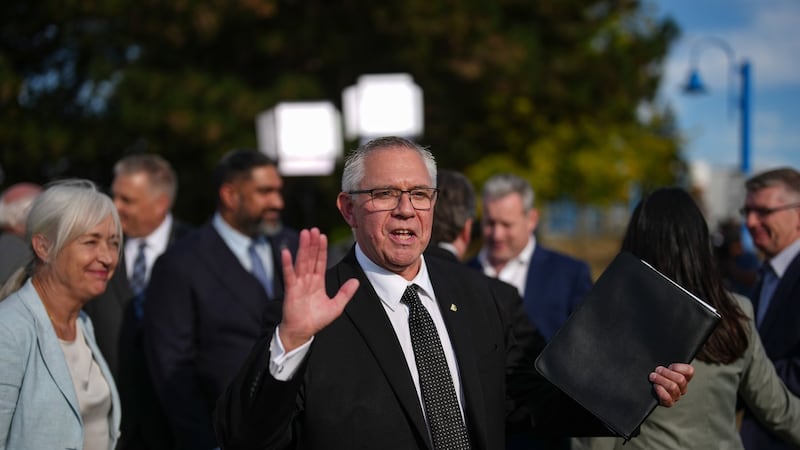
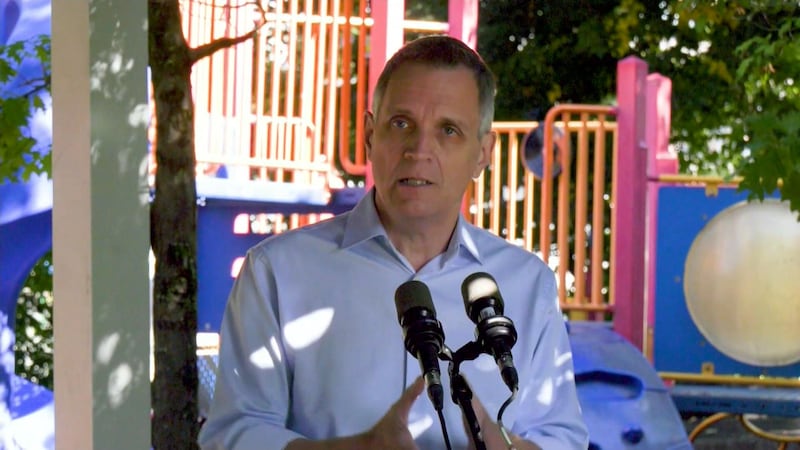
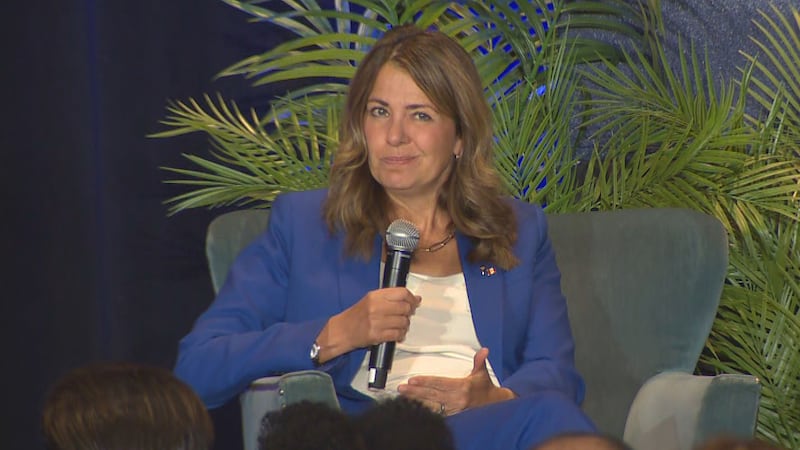
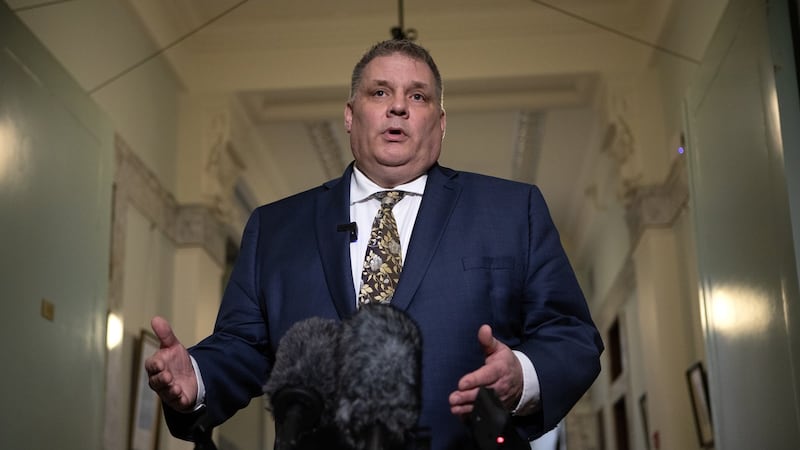
Criminal Trial Lawyers Association president Shawn King joins Alberta Primetime host Michael Higgins to discuss a recent protest by lawyers over concern about the UCP government’s use of the notwithstanding clause and desire to appoint judges. This interview has been edited for clarity and length. Michael Higgins: What pushed you as a group to make a public display of discontent with the (Danielle) Smith government? Shawn King: It was the pattern of behavior that’s happened over the past number of months dating all the way back to October, if not earlier. The Alberta government started to make changes to the Alberta Law Foundation, and then they started using the notwithstanding clause. The final thing that really pushed us to do something drastic was when the premier started talking about wanting to be able to direct judges and wanting to have more input as to who’s going to be appointed as a judge. It’s been a quick decline over the past few months of disrespect to the rule of law and disrespect towards the judiciary in general, and to our democratic institutions in Alberta. MH: To your point, the premier has expressed a desire to appoint judges, and there will be a question on that in the October referendum. Why should that be worrisome to Albertans? SK: The levels of court she wants to appoint judges to are the Court of Kings bench – which in other provinces might be called the superior level of court, – the Court of Appeal and Supreme Court of Canada. Those are the only levels of court that are allowed or have the ability to strike down legislation that Premier Smith may put in. So it’s concerning that that’s where she’s going with this, or that’s what the government is going with this. They want to have some say, or more say, in the judiciary that would have the ability to hold the government accountable and to either strike down their laws or suggest that changes need to be made. MH: Even if the judges were appointed by the Alberta government, would they not still need to be impartial? Why would judicial independence be in question? SK: We hope they’d still be unbiased and independent, but we don’t know what’s going to happen in that regard. They want to have more say as to how this is going to happen. I think at the end of it all we need to start looking at who they wanted to appoint, who gets put in there. If you look at the level of court that we have where judges are appointed by the Alberta government, which is the Court of Justice, the inferior level of court, you can see a number of people who have been appointed. There are former politicians, people who have been formerly directly involved with the government itself. That’s at a level of court where they’re typically deciding on things the government doesn’t have a direct say in or direct skin in the game. The reason that we have this separation of who gets appointed and how the appointment system takes place is to make sure judges at the higher level who can actually make some changes to the legislation are completely independent. The powers given to our government to appoint a judge right now is just the lowest level of the court where those judges do not have the ability to strike down the laws and to change its legislation. So the concern is that we can see who’s been appointed already, and I assume those judges are doing a fine job of laying out the law on issues that don’t involve the government directly. MH: Justice Minister Mickey Amery is a lawyer. Why do you not have confidence in his ability to run the justice portfolio and uphold the tenets of democracy? SK: I’m not really worried about him being able to run the justice portfolio. I’m more concerned about him being accountable for his actions. Every lawyer in this province except the justice minister is beholden to the Law Society of Alberta. The Law Society of Alberta can sanction us for un-lawyer-like conduct, or for a number of other things that come from the code of conduct. Now, the legislation that recently came out states the person sitting as the justice minister in their current position is not sanctionable by the law society. They’re essentially above it. This is the one lawyer in the land who is not beholden to the professional code of conduct, and that becomes very worrisome. Why is this person – who has the justice portfolio, who is able to control so many things within the government, so many things within justice – the one person who does not have to answer to the Law Society at the end of the day? That insulation is very concerning. There’s also been some other things that have happened where some powers from the chief electoral officer have now gone directly to the justice minister, and the justice minister now has more control over the way grants are given out from the Alberta Law Foundation. There’s a consolidation of power that’s becoming concerning. These powers are going to the justice minister, and now the justice minister is also no longer accountable to the law society. More power, less accountability. That’s the actual concern. MH: The justice minister says he’s happy to meet with your groups and legislate accordingly. How much of an ear do you have with his office, and have you spoken since the protest? SK: No, we have not spoken as of yet. I’m happy to sit down and have a chat with him and see where we need to go forward from here. MH: What do you hope to accomplish through raising your concerns? SK: We need a course correction. I’m not really worried about the government itself, if it’s NDP or UCP or whatever we may have here. It’s a course correction. The pattern of behavior over the last six to 12 months shows this government is willing to legislate more powers to itself and also essentially trample on the individual rights of Albertans. Using the notwithstanding clause stops the Canadian Charter of Rights and Freedoms from being able to be used by individuals. That’s concerning. We want our government, our current government and any government going forward, to be held accountable for the actions they do. Also to be able to legislate responsibly, not to force the legislation through using gaps or using release valves in the Charter of Rights and Freedoms. We want them to be able to take accountability for their actions and to do the right thing, even if it’s hard, even if it’s unpopular, even if it’s more expensive. To go through this in the proper functions, not to use a clause that allows the government to steamroll over rights to get legislation passed.