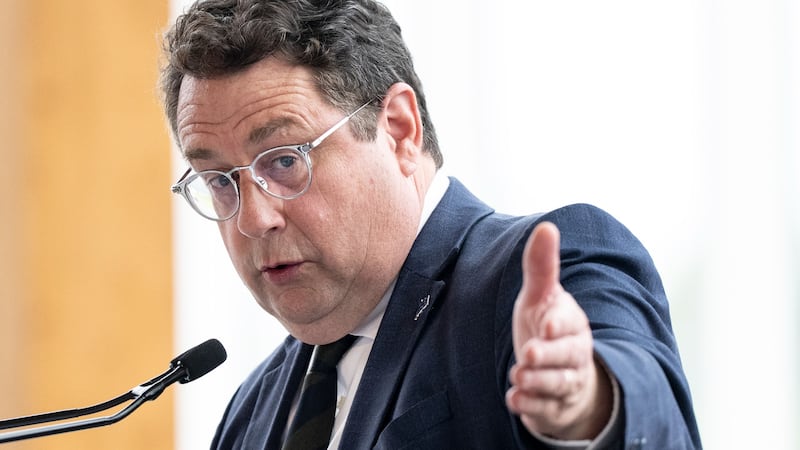
Emergency physician and former Alberta Liberal party leader Dr. Raj Sherman joins Alberta Primetime host Michael Higgins to discuss calls for the province to declare a state of emergency in Alberta’s healthcare system. This interview has been edited for clarity and length. Michael Higgins: What is your front-line perspective on the alarm physicians are sounding here? Dr. Raj Sherman: First of all, medical staff are doing heroic work under very difficult circumstances. Once you get into care, the care is actually excellent. The problem is getting in. The emergency room [ER] system crisis is actually a whole health care system crisis that surfaces in the ER. This is the worst ER and health care system crisis I have seen in 35 years of working in the front lines. When demand overwhelms capacity and ability to provide care, we in the medical world call it a “medical disaster”, and Edmonton is there now. We serve two and a half million people in a massively underserved north and Calgary is not far behind. Our hospitals have been running at 110 per cent capacity with people in hallways upstairs. About 25 per cent of those beds are blocked by fragile seniors who simply need home care, rehab care. About a third of them need long-term care. We call these folks ALC - alternate level of care patients. They block acute care beds. Almost 100 per cent of ER beds in Edmonton are plugged by sick admitted patients. We’re done with them, but they can’t go up. They stay in our department for days, deconditioning by the hour. The waiting room is packed with a whole bunch of folks, some minor cases, but a lot of very ill patients, some critically ill. We’ve had at least one documented death, and I’ve heard there are two more at the Grey Nuns. The whole ambulance fleet gets tied up, and they can’t show up for an hour if you call 911, people suffer. In a wealthy province this is unacceptable. MH: To what degree is this about respiratory virus season? RS: You have to look at the data and the facts. The system has been red-lining since the end of the flu in February 2025, and we have stayed red-lining up until August. That’s what the data show. The flu isn’t helping. Not many people are vaccinated. But the system was beyond capacity. In August, 10 to 20 per cent of people going to ERs in Edmonton were leaving without being seen, many of them very ill patients. The flu is just the straw that breaks the camel’s back, but it’s not the underlying problem here. It’s a system that’s been under severe strain for a long time. MH: The press secretary for Adriana LaGrange, minister of Primary and Preventative Health Services, provided a statement saying: “Calls for a state of emergency are misguided and would add nothing to what is already being done.” What do you make of how the government is responding? RJ: A press secretary doesn’t know what the heck’s going on the front lines. I think it’s irresponsible of them to put that statement out. First of all, a medical state of emergency means operational medical command and control of the health system. One leader, with their team, real authority, 24-7 discharges, rapid movement of these ALC patients to restore the flow so people aren’t suffering and dying in waiting rooms. They are not calling for political states of emergency, which is lockdowns, mandates and taking people’s freedoms away. That’s not what we’re calling for. We’re calling for a medical state of emergency. But for me, I don’t care what you call it. Call it whatever you want. Forget the label. All that we care about is the system working and flow happening. MH: The premier appointed you to chair the Board of Health Quality of Alberta, and you served one year of a three-year term. What did that open your eyes to? RS: I knew what was going on as a front-line doctor, and I still work in the front lines part time. When I chaired the Health Quality Council, the independent quality safety and data organization, we looked at the data and the facts. The data shows that the system was worsening. It was really bad. In February of 2025 I called the premier. I said, ‘We’ve got major problems here, premier.’ That crisis stayed throughout the summer, and our province has grown. People are older and sicker, and then the flu hit, but we were already red-lining. So this is not my opinion. It’s fact. I warned the premier back in February and the health ministers in late summer, saying we’re going to have major problems. I said, you guys have got to get going here, get the hospitals, get the ALC patients out ASAP. This crisis was predictable and preventable. Solutions exist. What’s missing is operational medical execution. They don’t have anybody who understands the system running it right now. It’s in the hands of ministers. MH: What does that say to you about leadership? RS: I talked to all my health leader friends, they’re sort of lost. There’s no leadership. We have four ministries running in the health system. For the first time in decades, a premier has taken 100 per cent control of health care. The tentacles of politicians are in front line delivery and decision making. I told the premier with 100 per cent control comes an opportunity to do the right thing and fix it. But if you don’t, what also comes with it is a duty of care and responsibility to care for people, and it’s going to be on you. There is going to come blame and medical and legal risk. This is not a time for blame. It’s time to get things flowing. Politicians need to get their hands out of politics. We need an independent authority run by a health care leader who understands how flow happens with their own specialized medical team, flow process engineers, maybe some forensic accountants to find out where we could deploy the resources to get the flow happening. Engineers could run this health system because engineers understand flow processes. MH: If you put your political hat back on, as well as being a doctor – what’s the foundational fix? RS: First of all, it’s not an easy fix. It took a long time getting here. You can’t just blame one premier, one politician for this. It’s a national problem, but it’s more acute in Alberta. So first, the government has to acknowledge we’ve got a major health care access crisis. Right now they’re in denial. They’re thinking it’s just the flu. Secondly, we need to activate this emergency authority team led by a medical champion. [Former AHS administrator] Dr. John Cowell has done this many times. He’s 82 years old, but he should probably mentor the next person running it. We’ve done this before. Let’s restore flow and delay risks and harm to patients and tragedies like Mr. Prashanth Sreekumar and his poor young family that lost a father at such a young age. Then medium, long term, we need to fix the foundation of the system. Number one, we do what the Danish do - deliver such good home care, long term care, rehab and transition care, hospice care. It’s called, the home-first model of care. Secondly, the Europeans deliver team based primary care, world class primary care and family doctors. Three, prevention. Let’s get vaccinated. It doesn’t cause autism, and neither does Tylenol. Let’s have policies on prevention. Most importantly, staffing. We have staff for four million people, but not for five. Let’s invest in staffing, retain them, educate them, hire them all. And funding. You’ve got to put health care into three-to-five-year funding cycles. They have been starving health care funding. You have to account for population growth, inflation, aging and technology. MH: Appreciate your perspective on this, Dr. Sherman. RJ: To Albertans, I have a message. This is about patient safety, not politics. I’m a conservative and ran for the Conservative Party. To my fellow Albertans, please be patient with us on the front lines. Write to your MLA and demand better of your elected representatives. To all the staff, thank you for everything that you do. Keep doing it. To all the lawmakers, I am asking for an emergency meeting of the Legislative Assembly. This is a matter of public safety and importance. Finally, to the premier. Premier, you have the authority, the power. We’re not asking you, we’re begging you. Please. Let’s get this authority up and running, and let’s fix this. We can still fix it. It’s not too late.