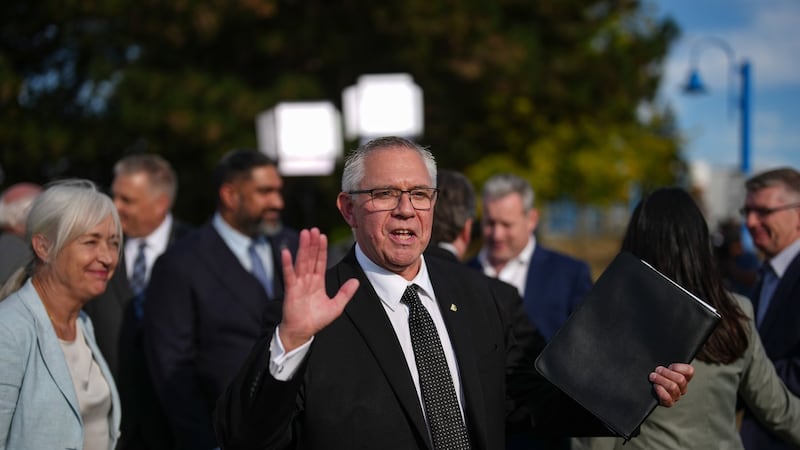
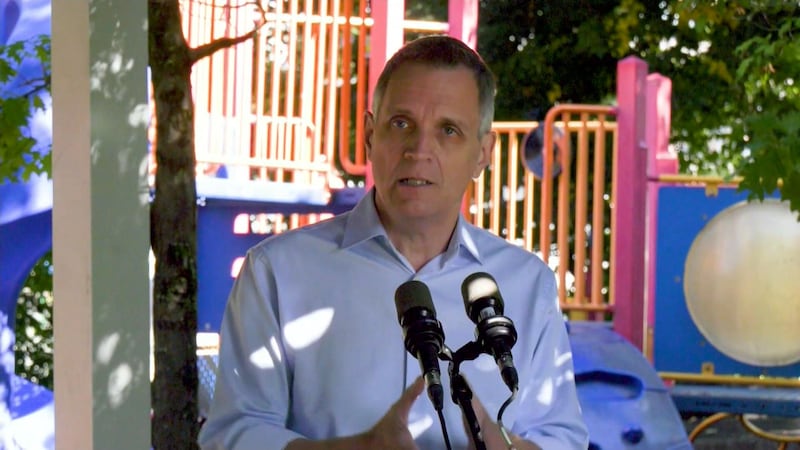
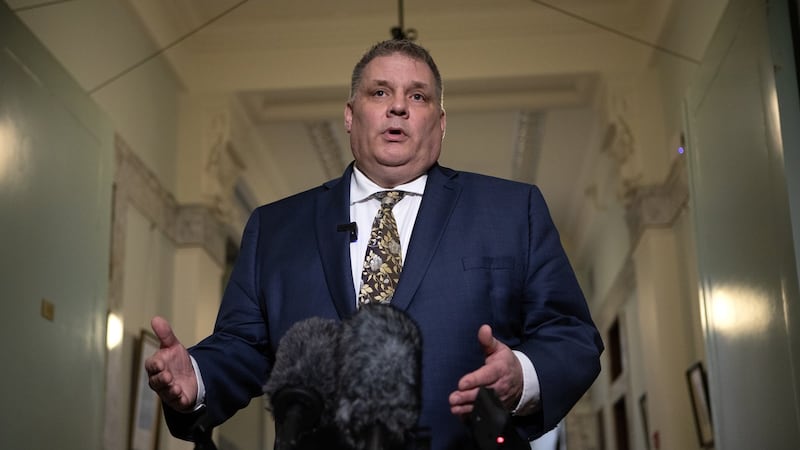
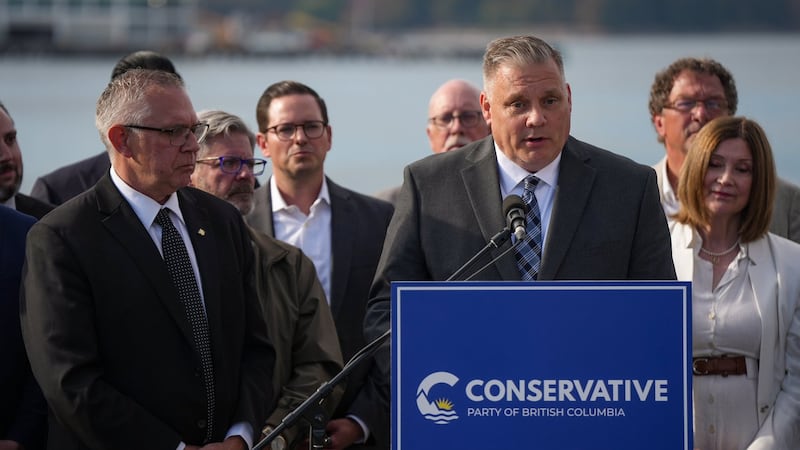
Progressive Tory Party of Alberta leader Peter Guthrie joins Alberta Primetime host Michael Higgins to discuss defining the new party’s identity, as well as priorities heading into the next sitting of the Legislature. This interview has been edited for clarity and length. Michael Higgins: Heading into this next sitting under a new banner, how would you define the Tory party identity? Peter Guthrie: Right now on both sides we actually have populist parties that exist. In the current government we have a populist separatist party that thrives more on division and control rather than providing stable, competent leadership. That’s what we’re going to be looking to do –- establish ourselves as a party that is actually fiscally responsible, one that believes in limited government, actual accountability and transparency, and taking that a step further with enforceable consequences. Foundationally too, we believe in Alberta remaining a strong part of Canada. Something that’s really missing from this government is that piece about a socially reliable government. One that is respectful, compassionate, professional. Those are the elements we’ll be focused on as we head into our first session as the Tory party. MH: You’ve said this is a party for those who feel “politically homeless” in Alberta –- that could be a pretty broad spectrum. How do you fit all those ideologies under one umbrella? PG: One of the number one things we hear is: I don’t have a political home. Number two is: What has happened to normal, stable, boring governments?. Government that is governing for the needs of the people, versus trying to just be disruptive and conflict oriented. That rise of populism over the last 15 years has really done that, and it works especially well in two party systems. You can drive a wedge and you can create emotion and drive people to make decisions and to the ballot box based upon that level of emotion. What we’re going to be there doing is trying to bring about some professionalism and analyzing using logic, reason, data analysis, and expert opinion in order to formulate our policies and platforms as we move ahead. MH: What approach do you take in potentially collaborating with the NDP? PG: When I started in politics at the age of 50 years old, I was somebody who had experience as an engineer, farming and ranching, and small business. When I entered politics I actually thought behind the scenes parties did work together. I thought you have the show, the theater in question period, but they actually did work together. That’s something that is seriously missing from politics today. There’s got to be ideas both sides bring to the table that are important for Albertans and effective for Albertans, and we should be working together and collaborating to try to introduce those. So I would like to see a little bit more of that start to happen. But that remains to be seen. MH: How does MLA Scott Sinclair fit into the picture? The two of you were pitching the Progressive Conservative branding for the party last summer, but he remains an Independent. PG: This has been really difficult. The UCP have done everything they can to get in our way. There have been multiple threats of litigation, formal litigation, court injunctions. They even brought forth legislation to stop us from being able to create the Progressive Conservative name by banning the word conservative. Further to that the UCP have gerrymandered out Scott Sinclair’s riding up in lesser Slave Lake. Scott is trying to deal with all of those things. We still do have a court case over our heads. I think Scott is just trying to deal with his constituency and those matters that are before us. I’m not pressuring him. I’ll just let him work through it. He and I have a good working relationship and we’ll be working together heading into the sitting, even though we’re not in the same party at this moment. MH: A lot of focus on floor crossing at the moment. How much effort do you put into potentially luring other MLAs, from either side, into your fold? PG: That decision is very personal to the MLA themselves. There needs to be a realization from those MLAs as to the side they’re choosing. I know some of my former colleagues, as an example, they have a lot of the same information before them that I do. I know it’s causing them consternation because I’ve heard directly from some and indirectly from others. So I wouldn’t count that out from happening, but I’m not spending a lot of time on that. We have a lot of work ahead of us at the Tory party. We’re focusing on finding and recruiting good candidates, creating constituency associations and bringing volunteers on board. We have a lot of work ahead of us, and that’s where my focus has been. MH: How do you feel the separatism push will fit into this sitting ahead? PG: This is going to be a key issue. I believe Alberta should be remaining a strong part of Canada, and we should be advocating with all of our might to do that. It should be done with Alberta leading through collaboration. I’m somebody who’s traveled across this country and around the globe, and I have a lot of respect for our country. My son serves in the Canadian military. As a kid I lived abroad during the Iraq-Iran conflict, and we had to flee a war zone at that time. It was Canada that came through for our family. It may not be perfect but Canada is the envy of the world, and I’m going to do everything I can to defend it. I do believe that will be a central focus coming up for the next, possibly up to a year. I do think it’s fascinating we are hearing rumors of various UCP MLAs signing the independence petition. I know of a handful that have signed. There were certainly no rumors of them signing the Forever Canadian campaign when it was circulating. MH: Which you did sign yourself? PG: I did.