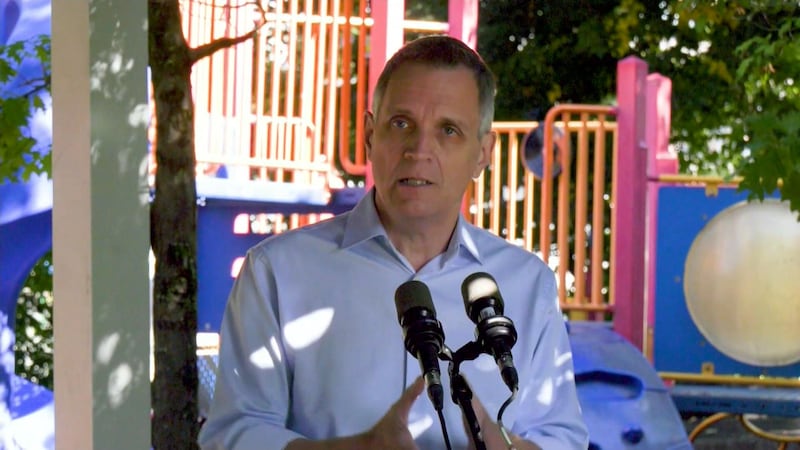
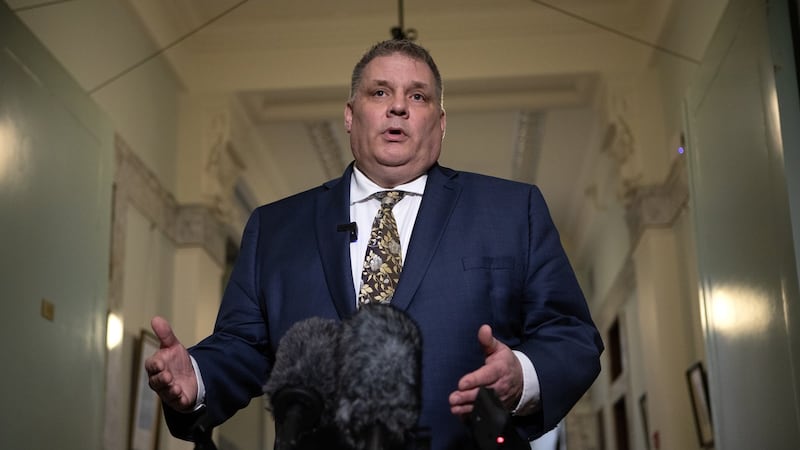
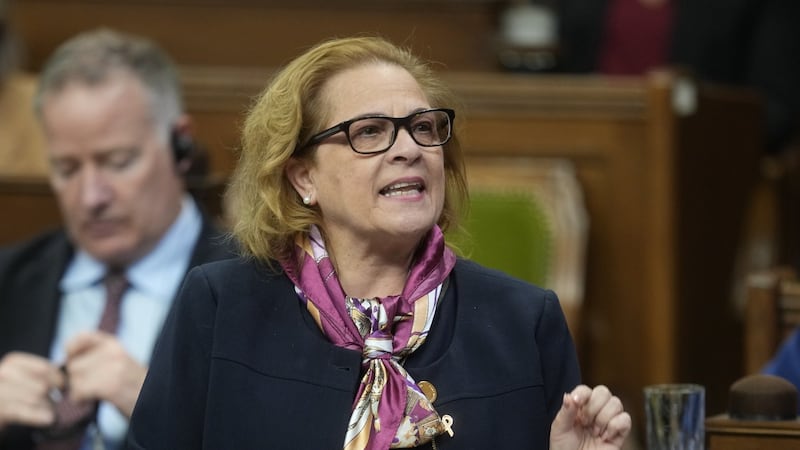
Canada West Foundation CEO Gary Mar joins Alberta Primetime host Michael Higgins to discuss the impact of a two week ceasefire in Iran on the Alberta economy. This interview has been edited for clarity and length. Michael Higgins: How are you looking at these latest developments? Should we be breathing a sigh of relief? Gary Mar: I would hate to work at the Canadian Embassy at this time because it’s difficult to hit a briefing note that is out of date by the time you hit send. Things have changed so much even in the last 12 hours. The strait is open, the strait is closed. There’s a ceasefire, there’s not a ceasefire. It’s very, very difficult to follow events in real time. This kind of uncertainty is precisely the reason why Alberta and Western Canada need to step up and be able to access markets in other parts of the world that are relying on things that are coming out of the Strait of Hormuz. MH: Many Albertans are reflecting on our perpetual state of uncertainty, even weighing by the hour whether to fuel up a vehicle. What’s to be said about the longevity of the situation? GM: Our former Lieutenant Governor Lois Hole would say the best time to plant a tree is 20 years ago, the next best time is today. I would say the same thing about our trade infrastructure and our pipelines. The best time to have done this was 20 years ago, but the next best time is today. That’s not because you can take advantage of things right now, because it will take years for us to be able to get pipelines and infrastructures and trade agreements in place. It’s because there will always be a certain amount of turmoil that goes on in the Middle East. We have the ability to displace the turmoil that’s associated with getting oil, gas, fertilizer, and food out of the Strait of Hormuz. Canada can provide all of that to the world. We’re a democratic, law-abiding nation that is the best option for many places in the world, and that will continue 10 years, 20 years, 30 years down the road. It’s a very good idea that we take advantage of the opportunity the world markets demand. MH: We’ve seen oil prices shoot up and fluctuate day to day. How will those fluctuations impact Alberta’s energy sector? Is it a good thing? GM: In terms of building a pipeline for example, you cannot decide on doing it based on the events of the last three months. You have to really think about it. Nobody puts a $10 billion bet on something unless there’s going to be both policy durability and market durability for years and years to come, not based on three months of high costs of oil or gas or fertilizer. In the long term we look at the 10 largest consumers of energy in the world, biggest economies in the world, they all continue to demand what it is that Western Canada can produce. We can’t ignore the short-term fluctuations of price, but we really have to be looking long-term. The long-term prospects for demand for our product remains pretty strong. MH: You mentioned fertiliser. How heavily do these dynamics weigh on Alberta’s agriculture industry? GM: When you look at the things that come out of the Strait of Hormuz you’ve got nitrogen-based fertilizers, you’ve got urea, ammonia, those prices are all going up. That will be reflected in the input costs of farmers in the province of Alberta and Western Canada. We should probably expect with higher input costs in those goods, the price of groceries is going to go up in Western Canada. That will affect us very, very directly. It’s more than just the price of gasoline at the pump. MH: To what degree do you see this being on governments, provincial or federal, to cushion the blow of this impact? GM: It’s going to be tough. Governments only have so many tools to be able to deal with things and they don’t have the ability to change the price of oil. They don’t have the ability to change the price of commodities. There have been many who have suggested, for example, the federal government sort of take a tax holiday on fuel. The percentage of taxes that make up the price of a liter of gasoline is pretty high. So you could do that. The federal government has put in place some types of programs to help make groceries more affordable, but in the long term those are not sustainable solutions. We need to increase the productivity of our economy. We need to be able to ensure our supply chains are strong. That is a medium and long-term solution, not a short-term solution. There are very few short-term solutions that are available to governments, provincial or federal.