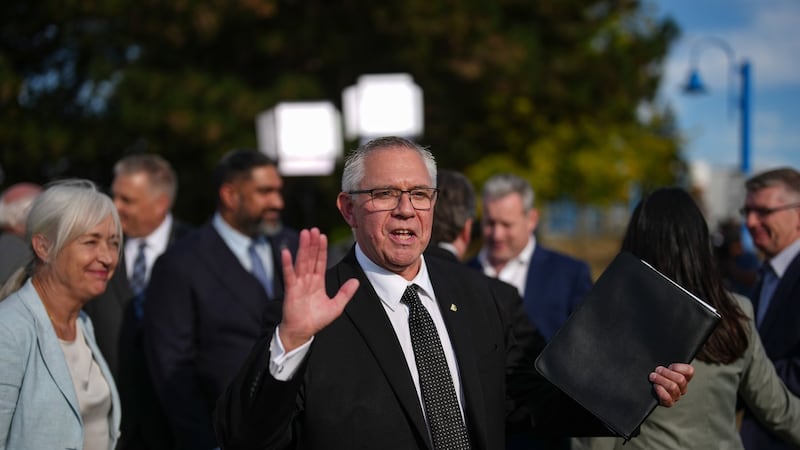
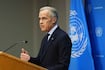
Alberta Municipalities president and Grande Prairie councillor Dylan Bressey speaks with Alberta Primetime host Michael Higgins about projections Alberta could become Canada’s third largest province as early as 2038. This interview has been edited for clarity and length. Michael Higgins: How does this projection land with you and what does it say about the direction of our province? Dylan Bressey: It’s really exciting to see this growth in Alberta, and I want to highlight that it’s not a provincial story. It’s actually over 250 individual community stories. I’m really proud of my colleagues on city councils across the province who have created attractive and safe communities, not just for people to move to but also for people to have babies in. Who have created regulatory processes that are both protecting the public but also ensuring we’re being fair and open to business, and have also built the infrastructure needed to support and take care of this population growth. So I’m really proud of the work going on in communities across Alberta. MH: How much of this continued growth do you see centered on Edmonton and Calgary, versus mid-sized cities? DB: We know Calgary and Edmonton are leading not just the province, but actually the entire country in terms of housing starts and supporting this growth. But we also do have mid-sized cities and towns and villages across the province that are supporting growth too. For example, I’ve talked to several village mayors who have told me they are completely out of developable land in their villages at the moment, because they’ve been successful at encouraging people to move to their communities or have babies in their communities as well. So this is big story in Calgary and Edmonton, but it’s also a story in every single corner of this province. MH: How challenged will municipalities be to have the degree of room needed to accommodate this growth? DB: Simply put, we can’t keep this growth up without increased investment in infrastructure. Right now, I am talking to mayors across the province who are telling me our road capacity, our pipe capacity, our water treatment capacity, is simply running out. If we don’t expand that basic infrastructure, we’re not going to be able to flush the toilets in the new houses we’re building. So we really are hitting a point where infrastructure is no longer going to be able to support this growth. It’s exciting to me we’re having this success, but we really do need to make sure we’re supporting this growth so it can continue, and also so our existing residents continue to be able to rely on water, road networks and all that stuff. MH: From a provincial standpoint, what do you assess as the biggest overall challenge? DB: When I’m looking at municipal infrastructure, it really is an infrastructure challenge, municipal roads and pipes. School boards are also struggling with having enough buildings to house all their new students. We are running out of infrastructure in this province, and it’s a double whammy because not only are we running out of available infrastructure, but we also have infrastructure aging. So municipal investments aren’t just struggling to keep up with growth. They’re also struggling just keep up with the basic maintenance so we don’t have huge catastrophes and huge tax increases in the future. So Alberta has been successful, but we need investment to continue that success. MH: What could be the trickle down to rate payers, residential and businesses alike? DB: When we look at how property taxes are changing this province, we know more and more there’s been cumulative impacts of a whole host of decisions made in a variety of ministries, both at the federal and provincial levels, which have increased costs for municipalities, decreased non-property tax revenues for municipalities, and remove property tax room for municipalities. At the same time, we’re seeing a need for new infrastructure, and inflation raising the cost of that infrastructure. That means one of two things are going to happen, either property taxes are going to have to go up, or we’re simply going to have to stop making the investments in infrastructure that we’re seeing today. I don’t think Albertans want either one of those things to happen. For us, we really do want to be having a conversation about: how should we be funding this infrastructure in this province? Because I don’t think property taxes alone are the solution. MH: How then do you see responsibilities being divided up in getting ahead of the curve on this? How much should be shouldered by the province? DB: This is an all-orders of government solution. Municipalities are making these investments at the local community level. They also are doing all the work to make sure we’ve got good land use planning processes, good permitting. So municipalities really are doing the work that they need to do. We’re also seeing in the province of Alberta, over the last 15 years; we’ve seen municipal infrastructure go from being over three-per-cent of the provincial budget to less to about one-and-a-half per-cent of the provincial budget. We’re also seeing the federal government make big budget announcements that aren’t really introducing new money to municipalities for them to build new structures. They’re just imposing rules on municipalities, and sometimes taking money away from municipalities. We think this is an all-order of government approach that’s needed, and we really do want to talk to our colleagues from other orders of government. How are we going to work together to sustain these investments in our community? MH: How do you see this playing into the “Alberta Advantage” and the bigger national picture at a time when there is now so much focus on a push for separation? DB: I would say Alberta is really proud to be leading the country in our growth and economy, and we want to be able to continue contributing to Canada’s success, and our local communities want to be able to continue contributing to Alberta success. That’s why it is so important that all orders of government are at the table together, talking about who’s making what investments, what’s the appropriate way to split costs, and also, what policy changes do we need to be making as united orders of government to make things continue to be successful for our residents and our businesses.