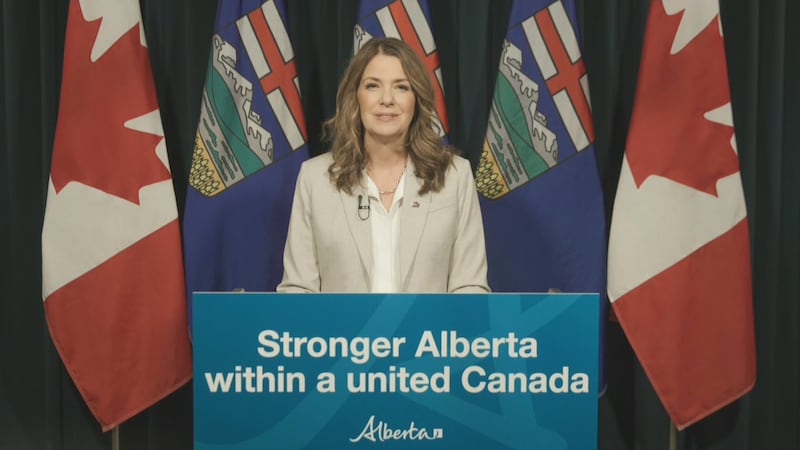
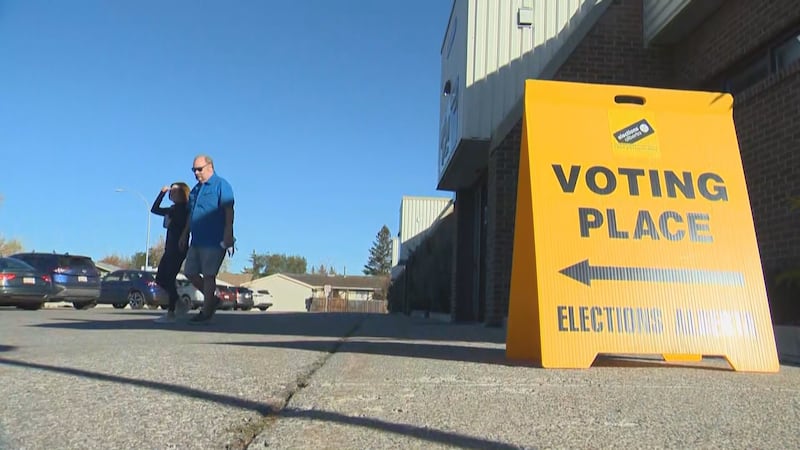
Elections management consultant and former Deputy Chief Elector Officer with Elections Alberta Drew Westwater joins Alberta Primetime host Michael Higgins to discuss a recent string of recall petitions against UCP MLAs. This interview has been edited for clarity and length. Michael Higgins: The UCP says the recalls are intended to address breaches of trust, serious misconduct or a sustained failure to represent constituents. Is that what Elections Alberta would be considering for approval of petitions applications? What does the approval process look like? Drew Westwater: When the recall petitions are submitted to the CEO for consideration for approval to go forward, they look at the statement of the applicant. They have to be an elector in the electoral division and give the reasons in 100 words or less or why they feel a recall is necessary for that MLA. The reasons are not stipulated in the legislation in terms of what the reasons can be for that recall. Generally it’s what the public feels about how the MLA is performing and representing their constituents in the riding, and whether they’re happy with them or not. Clearly with the 14 recall petitions currently with the petitioners for signatures, they’ve all stated their reasons for why they’re unhappy with their MLA and they feel that they should be recalled. There’s nothing the legislation that would prevent those reasons from going forward for consideration by the electors in their electoral division. MH: Ministers such as Dale Nally have referred to “weaponizing” recall petitions as a means of forcing a general election. Are there circumstances that would constitute that? DW: The present government has a majority. There are currently 14 recall petitions going forward for consideration of signatures. If approved and all 14 were successful, then 14 MLAs with the ruling party would be removed from office. Then there would be a recall vote. If that was approved and positive, then there’d be byelections in those electoral divisions. So that could affect the majority status of the government. MH: What degree of recourse does the government have in fighting these petitions? Or is it just a matter of caucus defending itself? DW: The caucus and the government have no role now in the petitions process. There is a process in place. It’s a stringent process. We had elections not long ago in May of 2023 which elected these representatives and were voted in by their constituents. To overturn that with a recall petition it requires a significant approval by 60% of the electors who voted the last election to agree: we elected them, we’re not happy with their performance, they’re not adequately representing us in the legislature, we feel that they should be recalled. That process is not easy. Of the 14 that are there, the maximum number of signatures on one of them is 16,000. The minimum required is 9,000 votes of qualified electors in the electoral division, who’ve lived in the electoral division for at least three months prior to the petition going around, and they must all sign it in front of a canvasser witness to have that approved. That’s a significant exercise on behalf of the canvassers. They have a period of 90 days to get all those signatures. 16,000 signatures in a period of 90 days in November, December, January is not an easy process. That’s something that has to go through a rigorous process with approved, authorized canvassers that have been authorized by the Chief Electoral Officer after they’ve been submitted by the petitioner initially. It is a significant process, and for it to be successful the majority of electors in that electoral division who voted at the last election would have to agree that it’s time to recall that that member. MH: There are 14 recall petitions at this point, more could be coming. That is on top of citizen-led referendum petitions. What kind of workload could this ultimately present for Elections Alberta staff? DW: Quite significant, because it’s unprecedented in the past. This is fairly recent legislation. Both the citizen initiative legislation and the recall petition legislation were only adopted several years ago by the previous premier. The existing citizens initiative [Forever Canadian] that was approved and is now with the CEO for verification required 293,000 signatures, and those have to be verified by the Chief Electoral Officer and his team of staff before December 27th of this year. There’s also a second recall petition that’s underway and ongoing. We won’t hear about that until February of next year. They already have a team of election staff on a temporary basis hired to review the citizens initiative, and now the CEO will have to recruit, hire and train additional staff on a temporary basis, much as they do for a by election or a general election. To review this, the petitions make sure that there’s enough signatures on there to bear to make it legal and acceptable, and they have to be at least 16,000 on one of them. Once they’ve counted those and made sure there’s that number on the petition, then they have to verify the information on it. Each person that signs a petition has to put their name, their resident address, their contact information, and sign it. Each individual signature sheet with maybe 25 names on it must be witnessed by a canvasser that they’ve observed those electors signing those petitions. That’s a lengthy process for each individual petition, with 14 of them. If they’re successful and they get enough signatures and they all come in in January or February, you can imagine the workload on the CEO’s office. They only have 21 days once they receive that petition back from the petitioner to verify that it’s legal, it’s valid and it should go forward. To put this in some sort of perspective, Elections BC has had similar legislation for a decade or more. Over that period of time, they’ve had 30 recall petitions approved by the CEO to go forward for signatures. Of the 30, only six actually obtained the required number of signatures and were submitted to the CEO for approval. Of the six that were submitted to the CEO for approval, only one of them had appropriate number of signatures and information on it to go forward. That didn’t have to go to a vote, because the MLA resigned as a result of that. However, that’s how difficult it is to get these approved and go forward, but that’s the legislative process. It is lengthy and protracted, but that’s an important initiative.