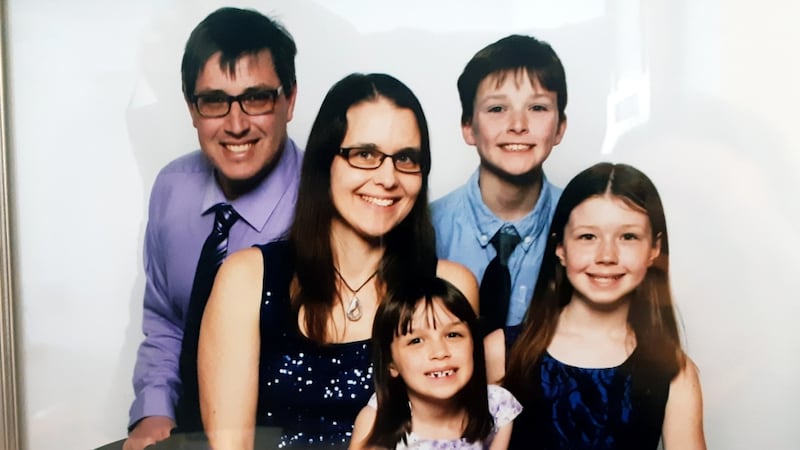
For years, Kathryn Linford says she felt she had lost her voice. Her husband, Chris, had served more than three decades in the Canadian Armed Forces, including deployments to the Gulf War, Rwanda and Afghanistan. But when he came home, the battle didn’t end - and neither did its impact on their family. It would take a decade after his 1994 deployment to Rwanda before he was diagnosed with post-traumatic stress disorder (PTSD). By then, Linford says the emotional toll had already reshaped their home life. “In that 10 years, I had no clue what was going on,” Linford told CTV Your Morning on Thursday. “So it was really after he was diagnosed that we kind of connected the dots.” “He would be a different person at work, and then when he came home, he kind of took off that armour that he’d like to put on to make himself look good. All of the bad attributes came out, like the anger, the frustration,” she added. The unpredictability created an atmosphere of fear and silence, which Linford says applied to both her and her children. “I lost my voice over those years, because I just did not know how anything I said ... was going to land,” she said, adding that the kids ” were totally terrified of him.” That experience - feeling isolated while trying to support a loved one with trauma - is what ultimately led Linford to help create the new spousal resiliency program through Wounded Warriors Canada. Realizing she wasn’t alone Linford says a turning point came after her husband received his diagnosis, later writing a book about his experience. As they travelled for speaking engagements to more than 60 locations across Canada, she began hearing from other families. “I really did think I was the only person dealing with this,” she said. “You find out all of these people coming up afterwards and saying: ‘Well, your story is exactly like mine. How did you get help? What did you do?’ That’s when the impact really hit me.” The program she now helps lead is designed for spouses and caregivers of veterans and first responders who have been exposed to operational stress injuries, like PTSD, in their relationships. The program brings together spouses for four days to receive clinically facilitated, group-based trauma support, offered in person and online. “A lot of times, spouses can’t step away, because they are the caregiver,” she said. “We created this online version to reach more spouses.” According to Wounded Warriors Canada’s website, participants “learn regulation and resourcing skills and are guided to understand the function of emotions while exploring parts of themselves that have been wounded through their relationship with an injured spouse.” Caring for the caregivers Unlike many services focused on veterans themselves, the resiliency program centres on the needs of partners and families. “We’ve created this to give them the tools to help themselves ... it is all about self care and understanding that trauma,” she said. The training also emphasizes coping strategies for navigating unpredictable situations. “You never know what’s going to happen. When you know the fire is hot, don’t go walk in there. Let’s just take a breath and just do what you need to do to calm yourself and then walk into that room,” she advised. Today, Linford says both she and her husband are in a much better place after years of treatment and rebuilding trust. “He’s gotten the care that he needed, and we’ve reconnected, she said. ”I’m able to say what I need to say, when I need to say it." “More voices need to be heard,” she added, hoping her story will help others feel less alone.