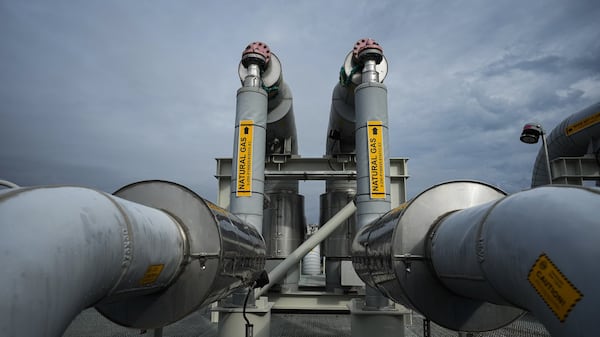
Alberta is expecting a major budget turnaround thanks to oil royalties and some are urging the province to use some of that windfall to fill a few financial gaps. Due to increased energy prices stemming from conflict in the Strait of Hormuz, Alberta is now predicting a $8.5-billion surplus rather than the $9.4-billion deficit originally forecast for the 2026-27 fiscal year. Overall spending is only going up about $650 million. The province said in a fiscal update Thursday that there is $3.9 billion in surplus cash and the province’s fiscal strategy mandates that at least half will go to repaying debt or into the Heritage Fund, projected to reach a record $36 billion dollars by the end of next year. Alberta municipalities have been pressing the province for financial relief after dropping infrastructure funding. Calgary’s mayor says the province offloaded $135 million in annual operating costs onto Calgary taxpayers. “Surplus should be allocated to municipalities as part of a municipal infrastructure dividend so they can get ahead of municipal challenges,” said Jeromy Farkas. Fuel tax relief The province says affordability challenges due to rising oil royalties are offset by the $500 million spent on the Fuel Tax Relief Program. They say there is also a new tax bracket to help people who earn the least. Some Albertans think some of that surplus could provide more relief for people now. “Minimum wage isn’t proportional to how expensive everything is getting,” said Michael Samaan. “If the government has the ability to contribute then it definitely should,” said Vanessa Lam. “If they could hit the groceries a little bit. I know people are really suffering, especially students,” said P.K. Kapoor. The UCP is heading into an election year following a divisive referendum campaign, but surpluses often lead to success for sitting governments. “It is one of the strongest tools that governments have in trying to win voters over,” said Mount Royal University political scientist Lori Williams. “The problem here is that all of those energy revenues come from oil and gas that are costing ordinary consumers more money and affordability is the top issue.” she added.