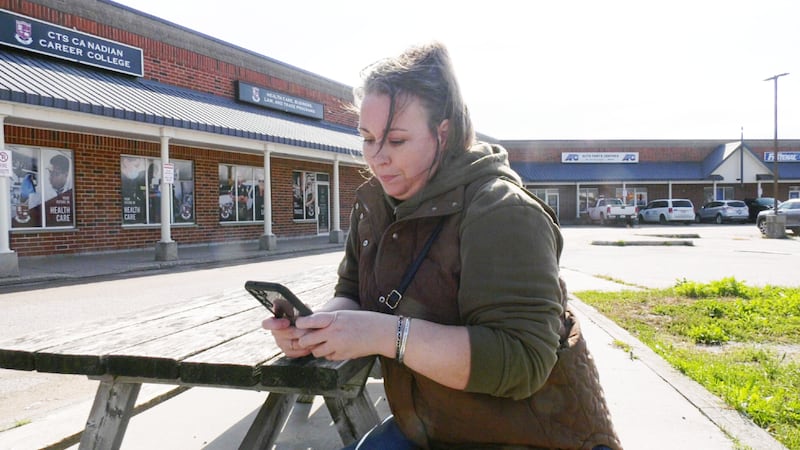
Erica Cydeyko is one of approximately 66,000 Canadians living with polycystic kidney disease (PKD). “I was diagnosed with polycystic kidney disease when I was a teenager. For the most part, back then, there wasn’t a lot of knowledge about the disease. It was just kind of brushed under the table,” Cydeyko said. “I was told it’s basically like having freckles on your kidneys.” September 4 marks Polycystic Kidney Disease Awareness Day. The incurable genetic disease is characterized by the growth of fluid-filled cysts in the kidneys, which can lead to a decline in function and eventually failure. The patient then requires dialysis or a transplant. A normal kidney is the size of a fist, but with PKD it can grow to the size of a football. “While it’s not necessarily a rare disease, it’s rarely talked about,” said Sandy Kenney with the PKD Foundation of Canada. “About 10 years ago, the first treatment option became available to eligible PKD patients. The treatment does help to slow down the progression of the disease, but right now, the focus is on supporting families, bringing attention to this disease so that we can fund more research, we can add to our body of knowledge and hopefully one day have a cure.” PKD is genetic, and parents have a 50 per cent chance of passing it on to their children, and it doesn’t skip a generation. “I encourage people to go to our website, read the stories on Our Voices blog about the families that have been impacted. Consider supporting research. Share facts about PKD so more people are aware of it and consider becoming an organ donor,” Kenney said. Information about the 2025 Walk to End PKD can be found here.