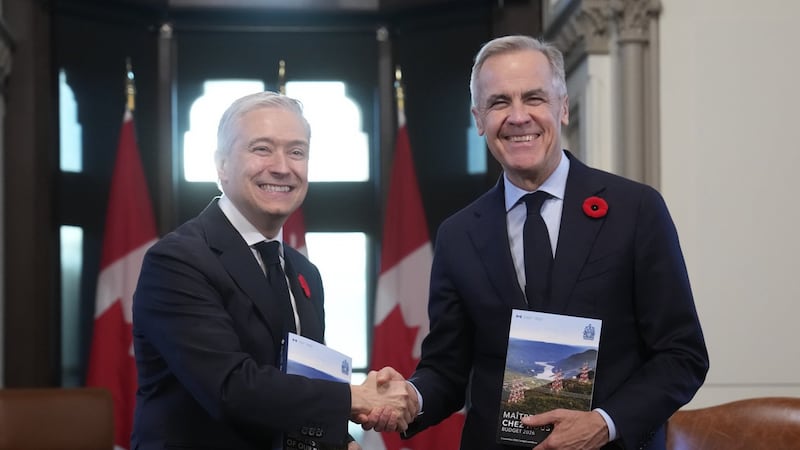
Canada’s next federal budget has been unveiled, but Calgary’s mayor say the document is missing direct commitments for the city. Budget 2026 was tabled in the House of Commons on Thursday, with $142.1 billion in spending largely driven by new tax incentives and affordability measures. Mayor Jeromy Farkas says the budget contained little mention of the city and featured no commitments to funding requests council made months ago when asked for federal budget input. READ MORE: Carney government adds $142B in new spending to spur economic growth, address affordability “Honestly, it’s a bit disappointing and actually laughable,” Farkas told reporters at City Hall on Thursday afternoon. Farkas said Calgary’s stated priorities for federal funding include municipal tariff relief, as the city is exposed to at least $400 million as part of retaliatory tariffs the federal government has implemented. “These costs are ultimately born out by local taxpayers,” Farkas said. “It is a material amount of impact that the federal government is incurring on local municipalities.” READ MORE: Six smaller things in Budget 2026 that will affect Canadians Farkas added the budget did not earmark any specific funding for critical infrastructure spending in Calgary — something the city has outlined as a priority as it continues to grapple with problems posed by the beleaguered Bearspaw South feeder main. The budget featured several mentions of funds being directed to infrastructure and transportation more generally, but Farka said not seeing a commitment to the city is disappointing. That’s especially true, the mayor said, as the city faces a $52-billion infrastructure deficit over the next 10 years. “We need that federal and provincial participation to be able to catch up on (and) keep our water utility safe and reliable,” he said. While it could be the case Ottawa is waiting to release information about future infrastructure projects paid for by more generic funding streams, having a commitment to federal dollars on a per capita basis would “ease (the city’s) approach into budget deliberations.”