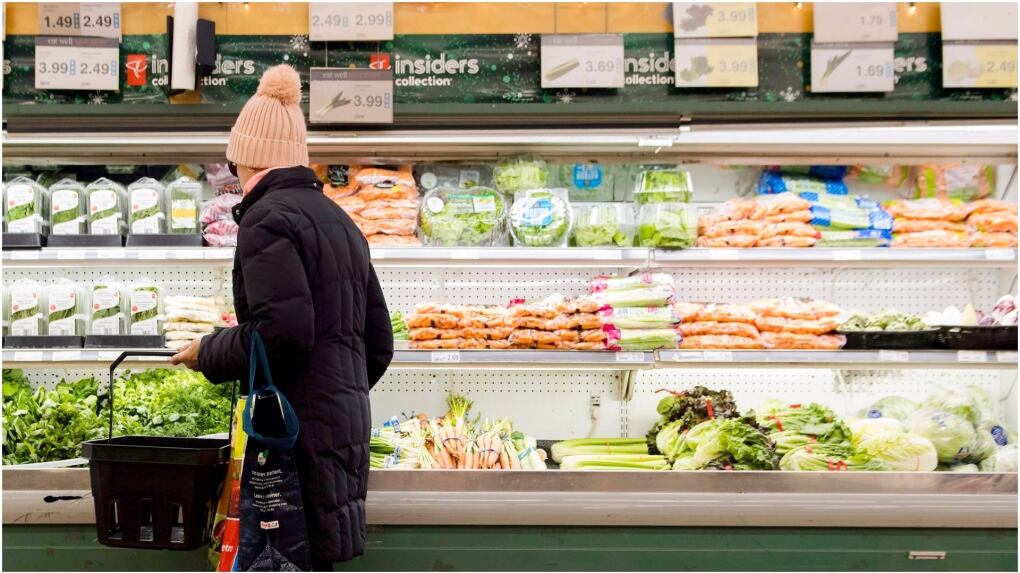
Food affordability has been top of mind for many people over the past several years, and experts are trying to share ways for people to save a few dollars. Rising food prices since the COVID-19 pandemic have been putting pressure on wallets. A recent Food Banks Canada report shows more people are turning to food banks. “This is the time of year when we expect to see our numbers rising as families experience higher costs of keeping that home heated,” said Danielle McIntyre, Lethbridge Interfaith Food Bank executive director. “And of course, having to use those vehicles a little bit more when the weather turns bad.” The Interfaith Food Bank is trying to help people save money. Different programs offered through the food bank teach people how to save money while grocery shopping. Even simple tips can add up. “I think the No. 1 thing is to be smart about what you purchase, making sure the money you’re spending on food is going to the highest nutritional value of food,” McIntyre said. “So don’t buy so much junk—buy the good stuff.” Proteins like beef have seen some of the sharpest price increases in recent years. Looking for more cost-effective options is key for many at the grocery store, but making sure you utilize proteins to their full potential is also key. “Even those off-cuts that used to be traditionally very inexpensive are expensive now,” said Kenny Kain, Lethbridge Polytechnic culinary arts instructor. “But finding different ways, using stocks and broths and other flavouring ingredients might help to build flavour with your more random pieces.” Saving money doesn’t end at the checkout aisle—being smart with how you cook and plan your meals can help stretch your dollar. Making sure you utilize your ingredients to their full potential is also key. “Not wasting product, building flavours, maybe batch cooking might be an item, too,” Kain said. “You could batch cook—you could add some flavour one day with fresh produce or fresh herbs and maybe make something a little different the next day.”