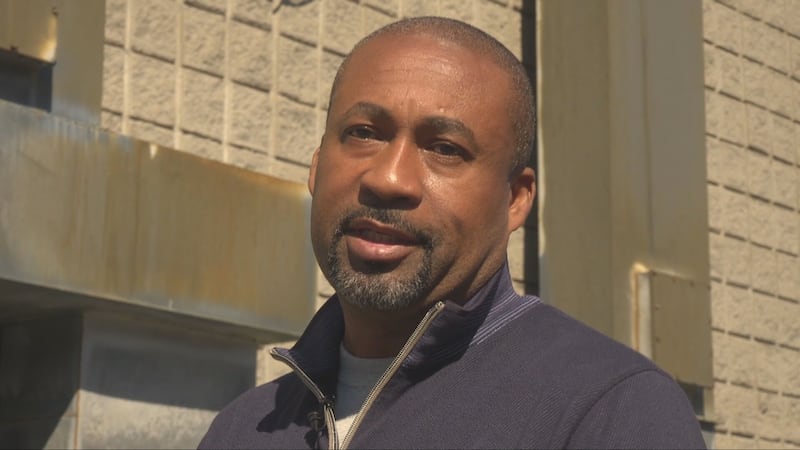
The City of Lethbridge’s encampment strategy is continuing to see positive results, with nearly 70 per cent fewer encampments in the first quarter of 2026 compared to the same time last year. The encampment strategy report shows encampments decreased 68 per cent between Jan. 1 and March 31, 2026, compared to the same time in 2025. “The general encampment situation in Lethbridge is not what it was even a year ago, let alone two years ago,” said Andrew Malcolm, general manager of community social development with the City of Lethbridge. Despite this decline, encampments have increasingly shifted toward fewer, larger and more complex sites. “What we’re seeing is less reported encampments, less physical tents,” said Malcolm. “However, they are developing in concentrated areas, which poses a different challenge than previously, but one that is less risky to the general public and one where we can provide a more concentrated and co-ordinated response.” Confirmed encampments decreased from 313 in the first quarter of 2025 to 113 in the first quarter of 2026, according to the report. “While no single factor can be confirmed, this reduction is likely influenced by increased shelter capacity following the 2025 expansion of the Lethbridge Wellness Shelter Stabilization Unit, sustained outreach and service connection efforts and seasonal conditions that have encouraged greater use of indoor shelter options,” reads the report. “The winter months were on average at around 150 people, so last year we were at capacity the entire time,” said Johnathan Daniels, acting director of the Lethbridge Wellness Shelter Stabilization Unit. “With the new expansion and services, (the shelter) is just a more welcoming space for our population. Outreach intakes increased by 77 per cent in Q1 of 2026 compared to Q1 of 2025. Referrals for addiction and mental-health services increased 60 per cent during the same time period. “We know individuals that are finding themselves in encampments are increasingly getting connected to resources, which is the end goal we’re all looking for,” said Malcolm. Four individuals exited homelessness by getting connected to supports in both periods, according to the report. With the summer season approaching, Malcolm says numbers will increase, including in more remote and difficult-to-access areas such as the River Valley. As a result, members of the encampment response team and outreach team will partake in increased co-ordinated cleanups and expanded monitoring in hot-spot areas. “We know there is still a lot of work to be done, but the numbers are showing we’re on the right path, and that’s what’s most important,” said Malcolm.