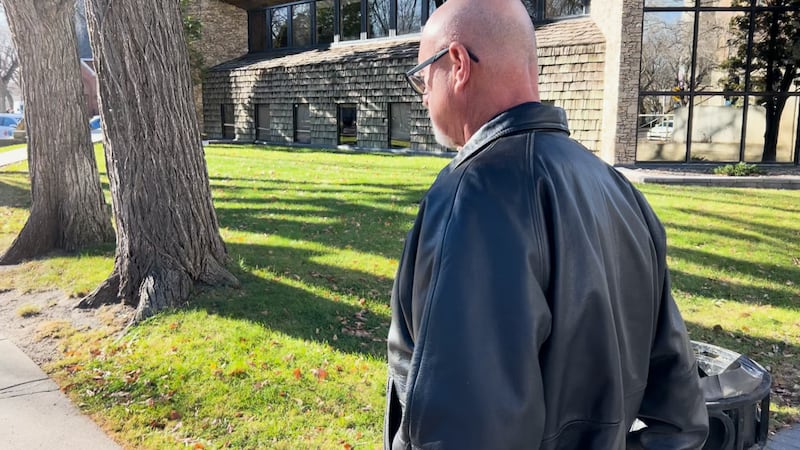
On Monday Hamas freed the 20 remaining hostages and four bodies of the deceased, as part of a key first step of the Gaza ceasefire agreement. “Joyful day to have all of the living hostages and four of the deceased,” said David Wallach. David Wallach, his wife Zohar, their daughter and her boyfriend arrived in Tel Aviv just days before the Hamas terrorist group launched a surprise attack on Israel on October 7th 2023. Hamas is also responsible for returning back all the bodies of the 28 deceased hostages. “Some of them were dead and their bodies were kidnapped,” said Wallach. “We would like to have everybody back. It’s important for families to have closure, to have a place of burial.” The peace deal also freed 250 people serving life sentences for convictions in attacks on Israelis, in addition to 1,700 seized from Gaza during the war and held without charge. “We are a little cynical of what’s going to happen after the hostages are released from both sides,” said Calgarian Palestinian Council Chairman Reyad Abusalim. “We don’t trust Benjamin Netanyahu’s response, nor do we trust Donald Trump’s response. This is not a war. It was always a genocide.” The first phase of the ceasefire also requires Israel to allow a surge of food and other humanitarian aid into Gaza. “Nobody’s talking about the reconstruction, nobody’s talking about how to get these people’s lives back together,” said Abusalim The future governance of Gaza remains unclear. Under the U.S. plan, an international body will govern the territory, overseeing Palestinian technocrats running day-to-day affairs. Hamas has said Gaza’s government should be worked out among Palestinians. The plan envisions an eventual role for Abbas’ Palestinian Authority -- something Netanyahu has long opposed -- but it requires the authority to undergo reforms. The plan calls for an Arab-led international security force in Gaza, along with Palestinian police. Israeli forces would leave areas as those forces deploy. About 200 U.S. troops are in Israel to monitor the ceasefire.