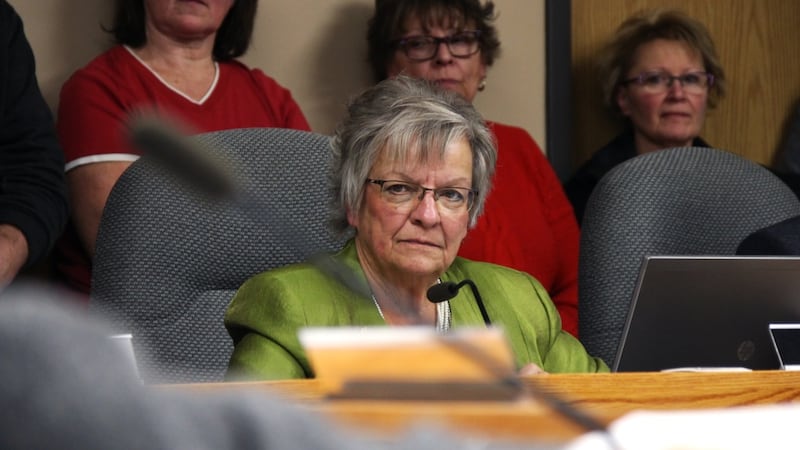
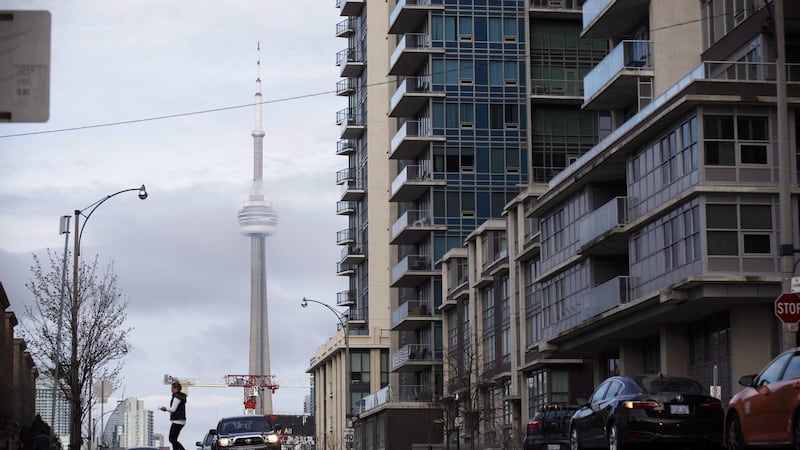
Edmonton is getting an extra seat and two new super-sized ridings after the United Conservative Party (UCP) approved new, hotly contested, electoral boundary maps. The changes will bring the total number of MLAs representing Edmonton up to 21 and create two new hybrid ridings on the southern edge of the city. The sprawling 147-square-kilometre Edmonton-Enoch seat would have the largest boundary in the capital region, encompassing Enoch Cree Nation, parts of Parkland County and 12 southwest Edmonton neighbourhoods. The riding was objected to by Edmonton’s mayor during public consultation by the Alberta Electoral Boundaries Commission (the commission), which was tasked with creating the first set of new maps that were rejected by the UCP. Mayor Andrew Knack said blending rural, First Nation and city territory would not be fair to the estimated 56,894 residents with very different needs. “[It] risks a fundamental misalignment of representative concerns,” Mayor Andrew Knack told the commission. “The priorities of the communities in the proposed hybrid electoral district are too diverse to be effectively served by a single MLA.” Saving Lac Ste. Anne The first set of maps from the committee would have eliminated two UCP-held ridings in Rocky Mountain House and Lac Ste. Anne. The Independent Advisory Panel on Electoral Boundaries (the panel) was assembled to rethink the maps after the province legislated two more seats to work with, for a total of 91. The panel’s map will keep Lac Ste. Anne-Parkland, albeit with changes including expanding it to include the Town of Stony Plain and renaming it simply “Lac Ste. Anne.” Parts of Parkland County currently within the ridings will move to Morinville-Sturgeon, while the City of Spruce Grove will be uncoupled from Stony Plain to become its own riding. “Spruce Grove is a city with a population of roughly 45,000 and is expected to grow,” the panel explained. “In the meantime, we have recommended extending the electoral division both north and south of Spruce Grove to give it the population it needs.” The decision to retain Lac Ste. Anne was applauded by the County’s Reeve Jurgen Preugschas, who told media on Tuesday that he lobbied the UCP to prevent the loss of the riding. “I’m absolutely pleased with that result, and we support it wholeheartedly,” he said of the new map proposal. What to do with Beaumont? The panel rejected the commission’s proposed Edmonton-Beaumont riding that would have split the current Leduc-Beaumont seat. Provincial data shows just the municipalities of Leduc and Beaumont were home to more than 66,000 people in 2025; the commission said blending Beaumont with parts of south Edmonton would “significantly” ease the population balance. The new maps keep the growing cities together despite the commission’s warning it could have “cascading consequences” that could impede “effective representation” across Alberta. “No explanation was given as to what cascading consequences were being referred to, let alone how they could affect the rest of the province,” the panel’s report said. To bring Leduc-Beaumont’s higher-than-average population down to 63,434, parts of Leduc County will be moved into southeast Edmonton to create the new 128-square-kilometre urban-rural riding of Edmonton-Nisku. It includes Nisku, the Edmonton International Airport, parts of Leduc County and the Edmonton neighbourhoods of Decoteau, Alces, Mattson, Walker, Meltwater, Charlesworth, and both Edmonton South East and South Central East. Edmonton-Nisku and Edmonton-Enoch will have the largest land area of all Edmonton ridings. Leduc-Beaumont would have the highest population of any riding in the province, coming in at more than twice the population of the new Rocky Mountain House-Sundre riding. The NDP have said that such disparity between ridings raises concerns around voter parity. “It is fundamentally unfair and potentially unconstitutional that the vote of one Albertan in one part of the province could be worth more than the votes cast by two Albertans in a different part of the province,” it said in a report submitted in the legislature on Monday. ‘Cheating’ The new maps have been condemned by the Alberta NDP due to wide-spread changes the party claims were unwarranted. Concerns have arisen particularly around changes made in southern Alberta against the commission chair’s recommendations that any adjustment to keep the two lost ridings should not impact anything south of Airdrie. Those include hybrid ridings in Calgary and Lethbridge that the NDP say are aimed at diluting urban votes. “All additional changes that our colleagues recommend to areas south of Airdrie fall outside this Panel’s mandate,” they wrote. “Calgary and Lethbridge, which are where Alberta’s most competitive electoral divisions are disproportionately found at present, are south of Airdrie,” they added. Premier Danielle Smith and Justice Minister Mickey Amery have defended the maps, pointing out that hybrid ridings already exist in Alberta. Amery said they are expected to be passed into legislation by the end of the fall sitting after the UCP endorsed them after limited debate on Wednesday. In 2024, Smith’s government removed the requirement that electoral boundaries respect municipal boundaries. The official opposition says the maps are “cheating” and would hurt both urban and rural voters who would be lumped together despite differing needs. Alberta NDP Leader Naheed Nenshi said he believes some of the panel’s maps are unconstitutional and that his party is considering a legal challenge. Albertans will head to the polls on Oct. 18. With files from The Canadian Press