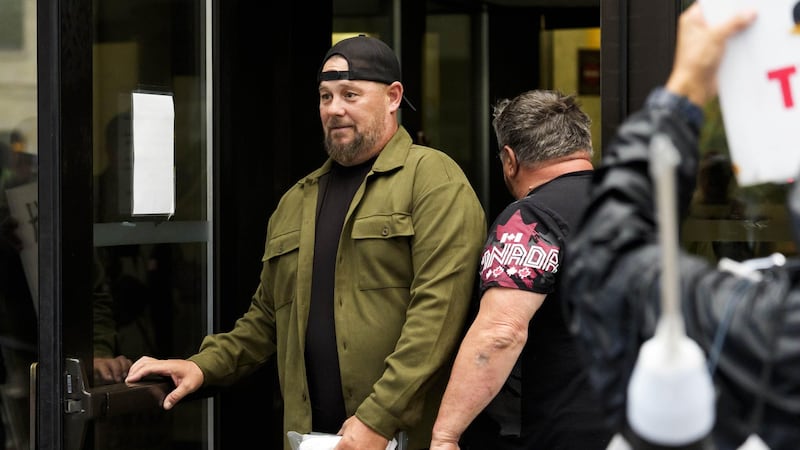
The appeal of a Calgary man, convicted of killing Sean McCormack, has been denied by the Alberta Court of Appeal. Devon Shedrick was charged with first-degree murder after McCormack’s body was found wrapped in a comforter and dumped in Upper Mount Royal on July 3, 2022. Two years later, on Nov. 19, 2024, Shedrick was convicted of the crime. During the trial, the court heard the pair met while incarcerated at the Calgary Remand Centre. While there, they got into a fight, which left Shedrick seriously injured. Weeks after his release, the court heard Shedrick sought out McCormack, who was staying with his girlfriend, Laura Lavorato. A short time later, after an extended text message exchange between Shedrick and Lavorato, someone entered the home and shot McCormack once in the chest. Following a thorough investigation, which engaged the help of a jailhouse informant, Shedrick was found guilty by a jury. Shedrick’s lawyers appealed the decision, saying that the judge’s instructions to the jury were “fatally flawed” and the verdict was “unreasonable.” During the appeal hearing on March 11, the appeal court heard the trial judge instructed the jury to “figure out what happened.” While Shedrick’s defence lawyers said the statement could have led jurors to “gloss over gaps in evidence,” the appeal court disagreed. “The judge provided sufficient instructions on the elements of first-degree murder and included offences and repeatedly cautioned the jury that they could only convict if the elements were proved beyond a reasonable doubt,” the panel said. “He outlined the appellant’s defence counsel’s theory, which was that the evidence did not establish the identity of the shooter, the appellant had no motive to shoot the deceased and if the jury found the appellant was the shooter, there was no evidence it was planned and deliberate. His instructions were responsive to the various aspects of the defence theory.” If the jury’s instructions were not sufficient, the appeal court said the verdict could have been unreasonable, but this was not the case here. “It was open to the jury to draw reasonable inferences from the circumstantial evidence and to find the evidence as a whole established the appellant’s guilt beyond a reasonable doubt,” the court said.