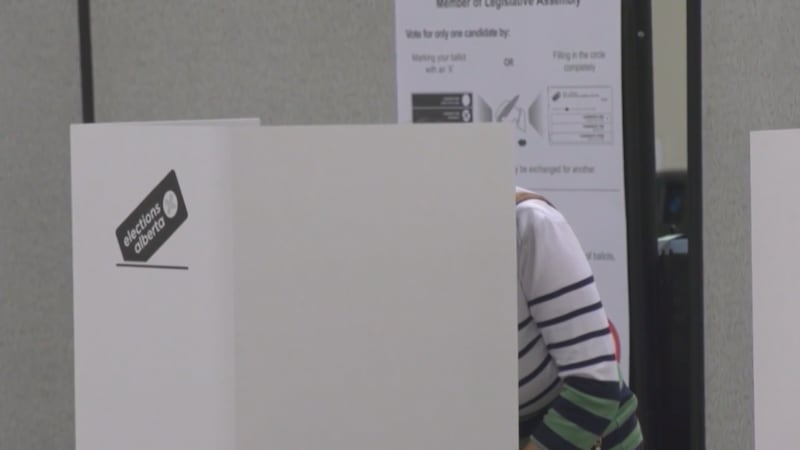
One of the questions Albertans will see on the Oct. 19 referendum involves the possibility of adding another requirement for people who are eligible to vote. You already have to be a Canadian citizen, be 18 or older and reside in Alberta to vote, but one of the province’s immigration questions asks, “Do you support the Government of Alberta introducing a law requiring individuals to provide proof of citizenship, such as a passport, birth certificate or citizenship card, to vote in an Alberta provincial election?” “They already deal with this issue with proof of identification, and I think it’s unnecessary at this stage to require more of that,” said Kamaal Zaidi, an assistant professor with the Faculty of Law at University of Calgary. “Why bother to add a burden to it.” If electors are not already registered to vote when they arrive at the polls, they need to sign a declaration about their eligibility to register first. All electors must show accepted identification and be checked against the register before receiving their ballots, and their name is struck off so that they can’t vote again during the that election. The information is recorded by Elections Alberta, with scrutineers witnessing the processes. “These are just a few of the processes safeguarding the integrity of the vote and ensuring only those eligible to vote can vote,” Elections Alberta said in a statement to CTV News. Voter fraud rare Elections Alberta says it already has robust processes and protections against voter fraud adding, “There is no evidence suggesting ineligible voters voting is a growing concern.” Since 2015, it found only four cases related to voter ineligibility. In those cases, Election Alberta says four Letters of Reprimand were issued to ineligible voters after investigation found they were not qualified to vote. Potential impacts “People will find ways of understanding the questions in the referendum, but they may not really clearly understand what the implications are,” Zaidi said. “It could result in more administrative costs.” The referendum question does not indicate what documents will be required and when they would need to be produced. Alberta’s new integrated I.D., driver’s license and health card do include a citizenship marker, making it the only province or territory in Canada to do so. Since the rollout began in July, many people have faced delays getting the new cards because of difficulties with their documents. Some people who changed their name when they got married could not find their marriage certificates. One man did find a decades-old Canadian citizenship certificate, but was told it needed to be updated. “My dad immigrated to Canada from the U.S. in 1969, and he had a Canadian citizenship certificate from 1975, but I was told that it’s too old now, so that’s what this is all about,” Matthew Randolph told CTV in August, saying he had gone to the registry five times trying to help his dad renew his identification. New documents can cost about $50 to $125 each – and while you might be able to get a driver’s license the same day, other items may take days, weeks, even months for a copy of a citizenship certificate. Approximate cost of new documents: Zaidi worries the added time, effort and cost to meet identification requirements could prevent or deter some eligible voters from casting a ballot. “A lot of people might think they are not eligible to vote,” said Zaidi. He said it could deter eligible voters who have a higher burden of proof including people with low incomes or transitioning homes such as students, seniors or newcomers. ‘Contributing to this community’ Maysoun Ghannam is a nurse from Lebanon who moved to Calgary more than two years ago. She is a permanent resident, but will be eligible to apply for Canadian citizenship next year. Though she is not eligible to cast a ballot in the 2026 referendum, she is already wondering about the potential impacts of the referendum questions, including the one about more proof of citizenship. “I feel like it creates a (feeling) of fear or instability,” she said. Ghannam moved to Canada with her international nursing degree, but has been working as an early childhood educator while completing local requirement so she can work as a nurse in Alberta. Ghannam says all citizens want the chance to be heard. “Citizenship means to me, belonging, contributing to this community and to be responsible enough to give back and to help.”