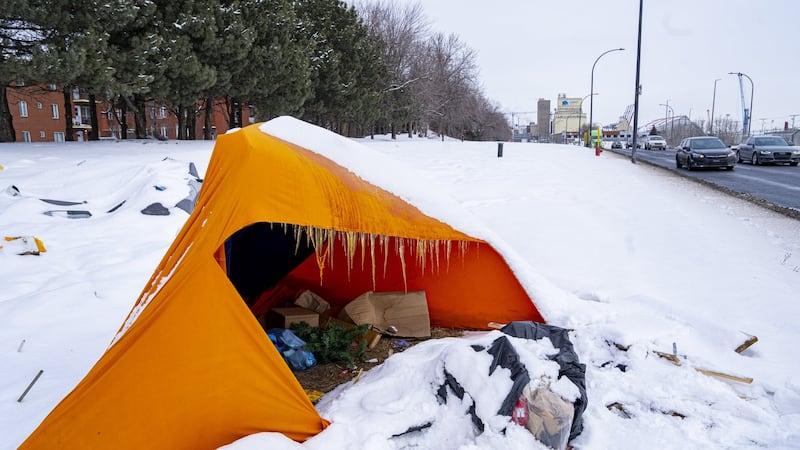
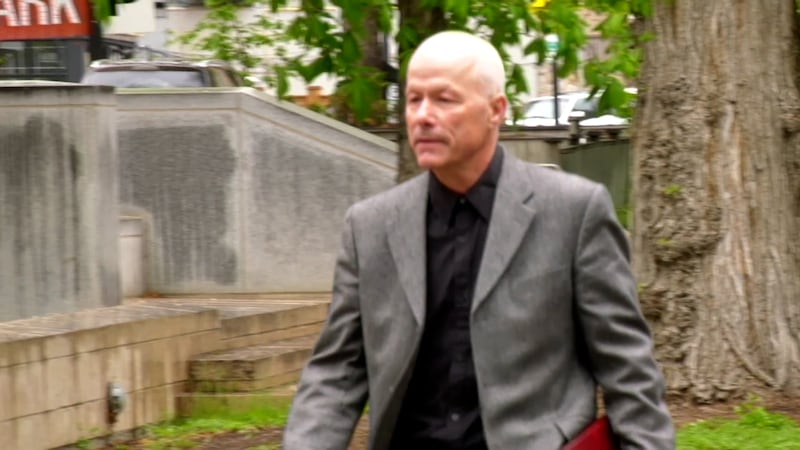
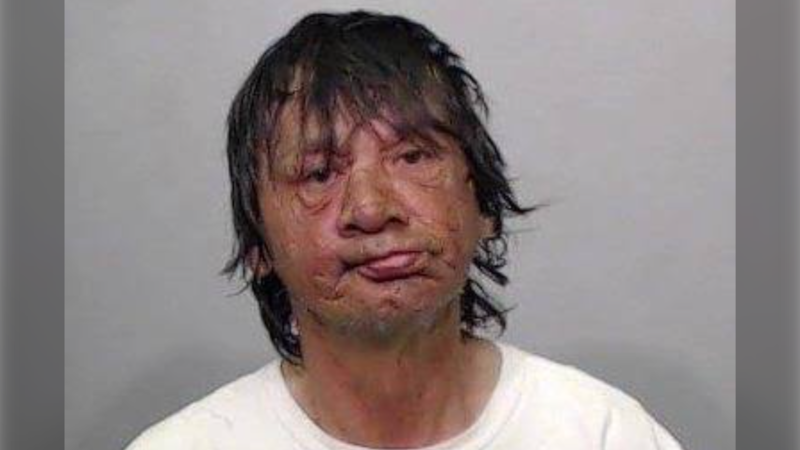
Thirty-one days ago, on September 9, Barrie Mayor Alex Nuttall announced a move that shifted how the City deals with homeless encampments, effectively putting into motion a zero-tolerance stance on tents, drug use and violence on public property. The mayor held a press conference one month ago on Mulcaster Street, as tents lined the road near the courthouse and City Hall, to declare a state of emergency. “The City of Barrie is immediately instituting a state of emergency to reclaim our streets, our boulevards, our parks, our squares, our feeling of safety, and our order,” the mayor announced. The declaration came on the heels of the discovery of a double homicide at a massive encampment in the area of Anne, Victoria and John streets over the summer. The police investigation made national headlines and shone a spotlight on the city’s homelessness crisis. Robert Ladouceur, 52, remains in jail and faces an extensive list of charges, including first and second degree murder, indignity to a body, and multiple weapons and drug related offences. That encampment remains cordoned off as crews continue cleanup efforts, with officials saying it could take months to complete and cost millions. According to city officials, there were an estimated 40 to 60 individuals living at the Anne Street encampment for likely years before they were evacuated for the police investigation. The situation also highlighted significant contamination found in Dyment’s Creek, which runs through the encampment site to Kempenfelt Bay. Tests revealed levels as high as 921 E. coli per 100 millimetres of water near Innisfil Street. By comparison, public swimming advisories in Barrie are issued at 200 per 100 millimetres. Over the last month, the state of emergency has resulted in the dismantling of other encampments and calls for provincial and federal support. Sept. 11 Just two days after the state of emergency was declared the city blocked off a section of Mulcaster Street for the cleanup that included bobcats, dump trucks, and several garbage bins. The County of Simcoe has confirmed to CTV News that all 44 individuals at the Mulcaster Street encampment had accepted accommodation from the County. Sept. 16 Nuttall wrote a letter to Queen’s Park inviting the premier to visit the city and tour the affected areas. “We cannot face this crisis alone,” the mayor stated, describing the situation as a “breaking point” for the city. Meanwhile, the Barrie Chamber of Commerce released a survey for feedback on the crisis. The survey is open to the public until November 30 and asks a variety of questions. According to the letter of information on the survey page, the purpose of the project is to identify and document how businesses, organizations, and associations are responding to increasing community safety concerns. Sept. 17 Mayors around the region, including Orillia, report a slight increase in their homeless population as encampments disperse around Barrie. Orillia Mayor Don McIsaac said he is watching Barrie closely as the Sunshine City deals with its own homelessness issues. It remains unclear how many people from Barrie have relocated to surrounding communities like Orillia and Midland as the city continues to clear out encampments. Sept. 18 Nuttall pens a letter to the federal government, urging Prime Minister Mark Carney to provide “immediate federal action.” “We need to make sure that our sidewalks are able to be used by individuals who are walking on them, or individuals that are disabled and have the need for wheelchairs or other devices to help them move around. It’s ridiculous that we’ve reached this state in this country,” Nuttall said in a Sept. 18 interview with CTV News. “We need to have the federal government, the provincial governments at the table. We need them investing in long-term solutions. We need them investing in helping people that are hurting, and the federal government needs to be at the table. Likewise, the federal government needs to back up its municipalities who are saying we need to have control and order,” he continued. Sept. 19 At a press conference in Markdale Ont. for a separate announcement, Premier Doug Ford said he planed to meet with Barrie’s mayor to discuss the city’s growing concerns over homelessness and encampments. The premier mentioned the unsanitary conditions and safety concerns at the encampments, citing drug use, guns, and improper waste disposal. “It’s disgusting,” Ford said. “It’s not good.” Sept. 20 And one day later, Ford made good on his vow to tour the encampments in Barrie alongside the mayor. The visit wasn’t for the cameras or reporters. The premier arrived in a hoodie rather than his usual suit and tie, and walked through Milligan’s Pond, one of the largest encampment sites in the city, alongside the mayor and other dignitaries. According to Nuttall, Ford promised to think about ways the province could offer support. “His reaction is like, ‘we’re going to figure out how to provide help and support on the ground’,” the mayor said. Sept. 23 Nuttall launched a petition advocating for support to solve the encampment crisis. The petition is reflective of the letters sent to both the prime minister and the premier and asks leaders to make changes to the mental health act and provide more funding for rehabilitation and safe shelters. Sept. 24 Crews dismantled a Bradford Street encampment with outreach workers offering support to those impacted. “It’s a bit emotional for folks, and they have nowhere to go,” said Taylor Henderson, an Indigenous outreach worker as the encampment was being cleared. “There’s no suitable housing for people and it’s definitely sad.” The County has now confirmed there were 17 individuals on the Bradford site, with 10 accepting accommodation and seven who refused. Sept. 26 After Nuttall wrote a letter to Prime Minister Mark Carney on Sept. 18, CTV News reached out to the federal government immediately for comment and an interview. Twelve days later, the federal government sent a statement explaining the investments the government has made to solve the housing crisis in the country, including $35 million for services in Barrie from 2019-2020 through 2027-2028. Ottawa did not respond or confirm CTV News’ request for an interview with its housing minister. Oct. 2 The City of Barrie passes stricter bylaws targeting encampments. The changes are intended to give staff and police more tools to prevent tents and makeshift shelters from returning once Barrie’s state of emergency is lifted. Bill 110 replaces an existing bylaw and gives officers more power to regulate behaviors like camping, sidewalk blocking, smoking, and public washroom issues on city property. Fines range from $100 to $1,000, but the city said it wouldn’t fine people living in encampments without giving them notice and offering alternative housing first, as required by court rulings. Oct. 6 The City confirmed there are still 26 active encampments with roughly 111 people residing in them. In a press release, the City said four major encampments had been dismantled, including Dyment’s Creek, Mulcaster Street, Sam Cancilla Park, and Bradford Street. In an interview with CTV News on Monday this week, Nuttall said he has noticed improvements on the streets and the amount of people accepting help. “I look at compassionate intervention and rehabilitation as the only way that we’re actually going to achieve what we’ve set out to achieve,” the mayor said. “The reality is if we’re going to improve our community it’s going to happen one person at a time. That means each individual needs to get that individual help, because every situation is different and that needs to happen inside of that rehabilitation.” When asked if he sees an end in sight, Nuttall said they are about a third of the way through. “We’ve seen some real success,” said Nuttall. “We’re not going to move on to the next encampment until we have the appropriate rooms, the appropriate support in place to be able to handle that type of volume of individuals that are accepting help.” Related Articles