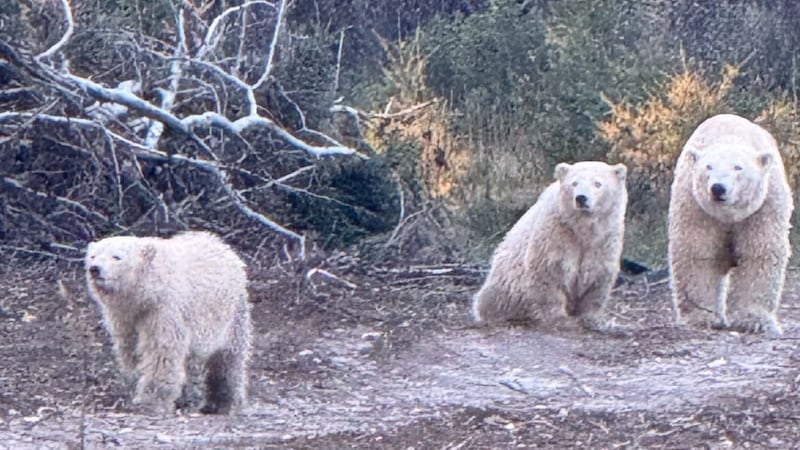
Hope For Wildlife’s open house is an annual event that has been held since 2001, minus a couple years recently for the COVID-19 pandemic and last year due to drought and wildfires. Every year, people come by the thousands for a look around the animal rehabilitation centre located in Seaforth, N.S. “Anywhere from 2,000 to 4,000. I think our record was 4,000 was the most we’ve ever had,” says the centre’s founder, Hope Swinimer. “My guess is going to be 3,000 people today.” The centre is open to visitors every Saturday, but this open house gives everyone a closer look at the work that’s being done. “It’s really a day where people that do support us can see where their money goes and they can see everything from the ICU, they could see the Turtle Trauma Centre, they can see our raccoon nursery, and they can walk around back and see where the white-tailed deer live.” That was enough for one family from Vancouver to plan their trip around the event. “We knew it was the open house. We knew it was last year, but you guys had to close down because of forest fire. But this year, she’s been learning a lot about the provinces this past year, she’s going into Grade 5 so we figured might as well just travel to the East Coast and here we are,” Roanna Leung says. Hope For Wildlife cares for up to 7,000 animals a year, from birds to racoons, porcupines, and bobcats. “We do have a lot of animals in. We have 603 patients in today,” Swinimer says between handshakes and photographs with the visitors. “This is iconic in Canada, and it would be awesome if we could have this in every province. It would be so wonderful,” says Lethbridge, Alta., resident Clare Rodrigues. “I have a great love for animals, and I’m so impressed with what this lady does and how she educates people and they’re helping all the animals that are hit by cars.” More than 100 volunteers helped with the event, providing directions and information about the animals rehabbing at the centre and the ones who live there year-round. There was also time to appreciate the animal sculptures created by artist Tim Freeman. “They are scattered all around the property and they work very, very well because these are animals that Hope is rehabilitating,” he says. “It was a lot of years and it was a labour of love but I’m very, very humbled that she wanted to have them and that they’ve been treated with respect.” Hope For Wildlife has plans to grow. Swinimer hopes to break ground on a building to help rehabilitate black bears this fall, with a potential opening coming in the spring. For more Nova Scotia news, visit our dedicated provincial page