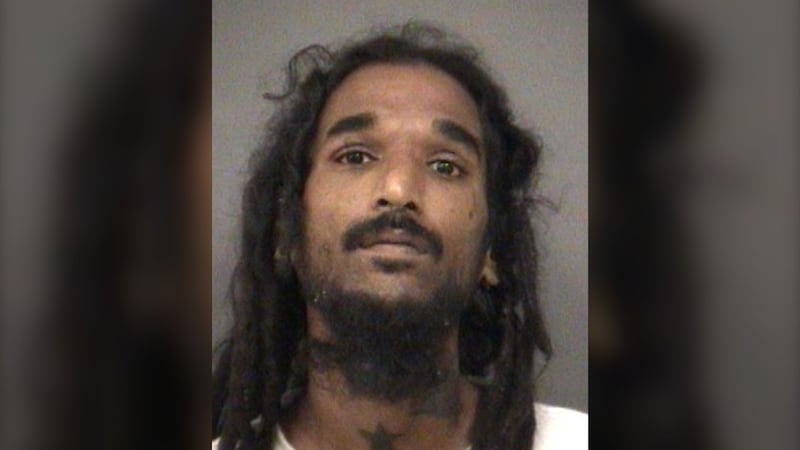
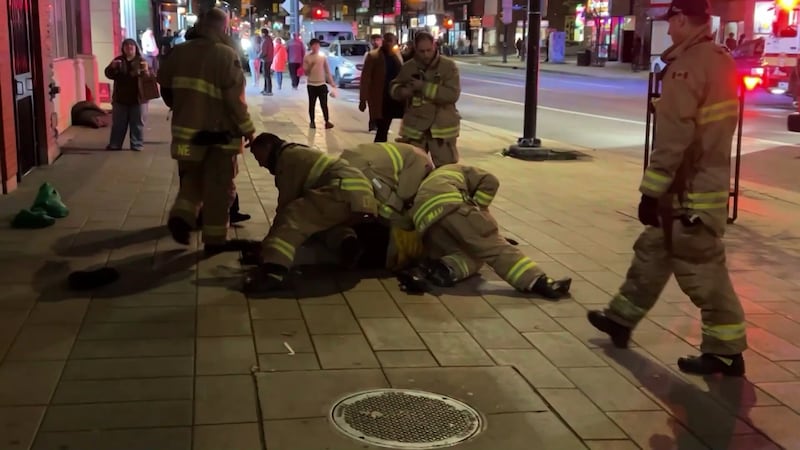
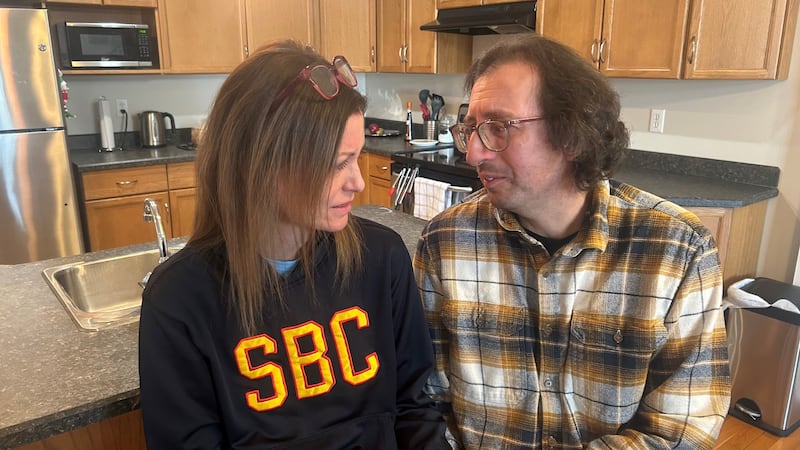
“It could have been prevented,” said Ryan Sawyer’s father Scott after a judge found a former bouncer guilty of manslaughter in his son’s death. Alexander Pishori Levy, 40, put Ryan Sawyer in a chokehold that led to his death after he and his brother Kyle were kicked out of a Halifax bar in the early morning hours of Dec. 24, 2022. Sawyer’s father called the incident a “failure of government.” Since then, the Nova Scotia government promised regulations for bouncers. Training, criminal record checks “The work that was underway under the department was very much influenced by what happened to Ryan Sawyer,” Service Nova Scotia Minister Jill Balser told reporters on Thursday. “Knowing what the families have gone through, we want to make sure that what we brought forward is significant.” Aside from criminal record checks, she says bouncers will be trained with “additional ways to de-escalate something and an incident from taking place.” Asked about use of force, Balser said, “Absolutely, yeah, so that would all be part of the training.” “Licensed establishments will have new rules that they have to adhere to which, again, is in legislation,” she said. “If they do not follow these rules, they could very much lose their ability to be able to operate in the province. Tim Houston’s Progressive Conservative government passed legislation around bar security as part of an omnibus bill in October, but the regulations have not been finalized. ‘Nothing more than just a Band-Aid’ “That is a significant change,” Balser said. Sawyer’s family wonders why Nova Scotia can’t mirror its regulations to those of many other provinces and license bouncers individually, rather than just the bars or clubs. “I am going to continue to push forward until proper regulation is put in place, because what they are proposing is nothing more than just a Band-Aid,” said Lee Sawyer, Ryan’s mother, outside of court on Wednesday. “In a way, [licensing individual bouncers] could be a great thing,” said Kent MacDonald, the owner of Shadow Security. “In a way, it could make it a little more difficult for licensed establishments that want to hire individuals ‘in-house,’ as opposed to just reaching out to a company and then the company would deal with all that for them,” he told CTV News on Friday. MacDonald said providing security at bars and clubs is “a completely different animal” than regular security work. Because of that, he’s developed and offered specific training for 25 years. MacDonald said Sawyer’s choking death is “very unfortunate” and “very sad.” “My personal belief is that, you know, there’s a lot of other ways to be trained (compared to using chokeholds) where you can subdue or restrain an individual where you wouldn’t be applying a maneuver that could potentially, severely injure somebody or worse,” he said. Bar owner supports licensing, training “I would like to say that at Durty Nelly’s we welcome any resources, up to and including training, certification, licensing of patron safety employees and provincial regulations, that will assist us in our endeavours to provide a safe environment for our employees and guests alike,” says Joe McGuinness, owner of Legendary Hospitality Group. The Restaurant Association of Nova Scotia says there’s “a lot of stuff that still needs to be worked out in the consultation process” around the regulations. “Part of how regulations are upheld and how they’re enforced, there will be those regular check-ins with those establishments to ensure that, ‘What is the list of all of your door staff employees? Do they have the training?’ said Natasha Chestnut, the association’s executive director. “Employers will have a record of that. That’s a really important step to that enforcement piece.” Chestnut said her association is “supportive” and will be “very, very engaged” in the consultation. “People deserve to go out, have a good time, have fun with safety being a priority,” she said in an interview. “This mandated legislation – the training that they’re putting in place – this is a positive step to helping further ensure a safe environment for everyone involved, including patrons and employees.” She said the consultation is expected to take place “very, very early in the new year.” Nova Scotia’s updated Liquor Control Act takes effect June 1, 2026. For more Nova Scotia news, visit our dedicated provincial page