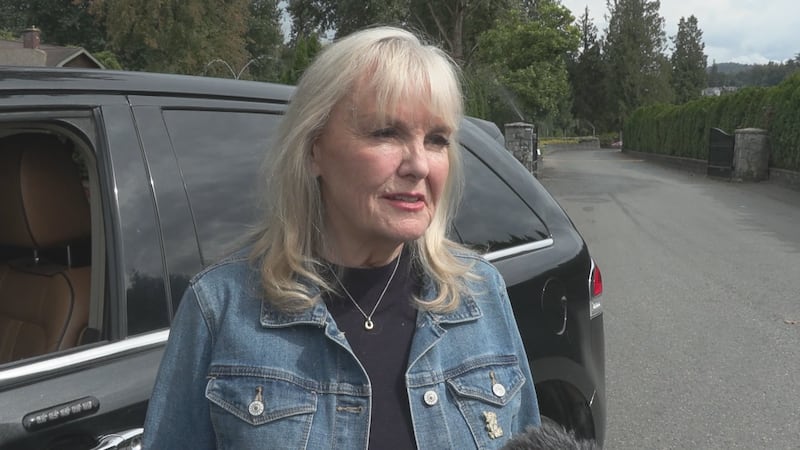
Angela Brown says her son was saddened to learn he wouldn’t be enrolled in music classes offered at Millwood High School in Middle Sackville, N.S., this semester. “He was really excited to join the program this year, and it’s been quite a disappointment,” says Brown. Her son, who is in Grade 10, plays several instruments, including piano, guitar and trombone. “Music for him goes beyond just a hobby. It’s what he wants to make his life out of. So, not having that opportunity, it’s distressing for him.” CTV Atlantic obtained the initial email sent to parents one day before school. “We were unable to recruit a qualified music teacher for this school year. As a result, we are unable to offer band and music classes at Millwood High School this year,” the email read. Lindsey Bunin, communications director with the Halifax Regional Centre for Education, told CTV News in a statement late Friday afternoon the music and band programs were not being cancelled. “Despite ongoing recruitment efforts, the school was unable to secure a qualified music teacher for the first semester of the 2026-27 school year,” Bunin says. “The initial communication to families did not clearly indicate that the staffing issue applies to first semester only. The principal has since followed up with families to clarify this and apologize for the confusion. The school continues to recruit for a qualified teacher for second semester.” Bunin would not confirm if programs would continue for second semester. “Recruitment is ongoing, and the school’s goal is to have a qualified teacher in place so music and band programming can resume in the second semester,” Bunin says. “Like many employers, we can experience recruitment challenges in specialized teaching areas where the pool of qualified applicants is limited. “In this case, despite recruitment efforts, we were not able to fill the position in time for the start of the semester. In the meantime, students interested in instrumental music can access after-school and evening programming through Halifax Regional Arts.” Local music educators worry about its impact on students. “Music education is one of the most important parts of being a teenager, especially in those teen years where you’re trying to make friends, you’re trying to keep on top of your grades,” says Ashley Cates, studio manager at Joyful Sounds Private Studio. “We do have wonderful music programs in university and college here in Nova Scotia that those high school students might be working towards. But if all of a sudden that gap exists in their high school years, they might not be as inclined to move towards those positions or those programs.” Louise Macdonald, owner of the studio, says she was surprised the school could not find someone to fill the position. “But I do know that it’s a hard thing to do. They do have to be qualified. A band teacher for high school is a very special position, and it does take a special person to be able to do it,” says MacDonald. “It would worry me that once that program is cut from that high school, will there be the incentive to bring it back once it’s gone?” While Brown believes the school is doing the best they can, she questions how seriously the subject is being taken. “If they didn’t have a qualified teacher, you wouldn’t see them get cut the math program or the biology program. So why is it acceptable to cut the band and the music program?” For more Nova Scotia news, visit our dedicated provincial page