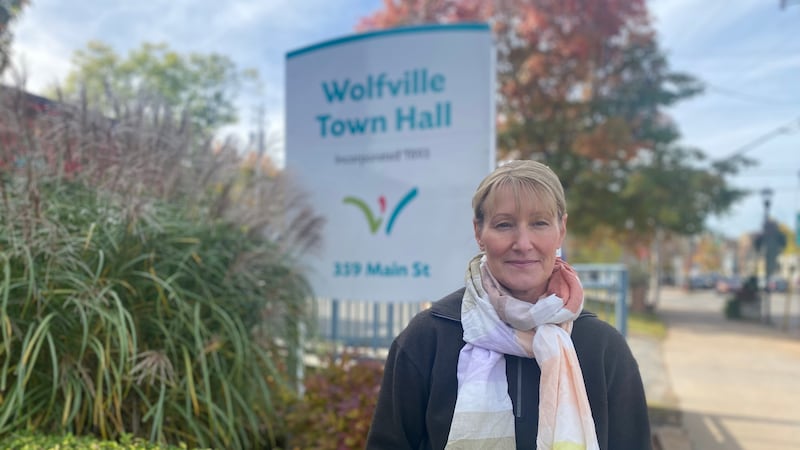
There are 69,420 Nova Scotians a without primary care provider. After four years, Megan Croft is no longer on that list. “We were told that we would have a doctor coming in to replace our old one, and we just never got one,” said Croft. “Now, I have to travel over an hour to see a doctor.” With so many people still on the list, having access to virtual care is more critical than ever. “The pandemic taught us a lot about the fact that not every single visit needs to be a doctor sitting in front of a patient,” said Doctors Nova Scotia President Dr. Shelly McNeil. “Virtual care has offered the opportunity for us to provide care to patients who may not be able to get to a doctor or may not have a family doctor.” McNeil, who is also a specialist in Halifax, has seen first-hand those benefits. “There are many patients who used to have to drive from Yarmouth to see me every time they talk to me. It doesn’t make any sense if I can provide the same level of care over the phone. So, I think it’s really helped with access to specialists,” she said. Digital Health Week This week is Nova Scotia Health’s Digital Health Week, which is highlighting how technology has shaped health care. “We’re using technologies as a way to automate and make things more efficient and more effective in what we’re doing,” said Scott McKenna, the Chief Information Officer for Nova Scotia Health and IWK Health. “It’s really important that we have the time to highlight that, to raise awareness of it, and most importantly, at the end of the day, help Nova Scotians become more informed of how they can access services and information to help them manage their own health.” There are a few tools available to Nova Scotians, including VirtualCareNS, which allows people access to health care providers, the ability to seek specialist referrals, and order prescriptions. Another tool is the YourHealthNS app, which allows people access to their health records. “I hope every Nova Scotian learns more about it and uses it. That’s your front door to the health system, not to a piece of the health system, to the health system,” said McKenna. ‘Exciting as it evolves’ Nova Scotia Health said progress is being made across the board, but there is always more work to be done. “It’s really about standardizing the way we deliver care across all of our 40-plus sites, so if a Nova Scotian goes to one site and the other, they should have the same experience, and of course, the digital tool helps us be consistent, putting better data, more quality data, and providing information to our clinicians to provide care,” said McKenna. McNeil said she looks forward to seeing what’s to come, including the implementation of more streamlined records. “That will bring all health care, all hospital-based records into the hands of the primary care providers. You will be able to see everything in one place, which is a big step forward,” said McNeil. “I think that will be exciting as it evolves over the coming years. Obviously, lots of interest in AI and where AI can fit into healthcare. I’m not an AI expert, but one example, is AI scribes, which have been shown to improve efficiencies in in primary care, probably in other specialties too.” Another simple way technology has helped improve efficiency is through reminding people they have an upcoming appointment. “We have, like in any industry, lots of problems with people not showing up for appointments, but sometimes it’s because they didn’t even know they had an appointment. So that technology has really helped reduce the frequency with which patients just don’t come, because they didn’t even know they had an appointment,” said McNeil. While Croft now has a primary care provider, she’s glad there are virtual tools given how far she has to travel in order to see her doctor. “It’s nice knowing that I have the option. I’m thankful that I do have a doctor now. That I can go see someone,” said Croft. For more Nova Scotia news, visit our dedicated provincial page