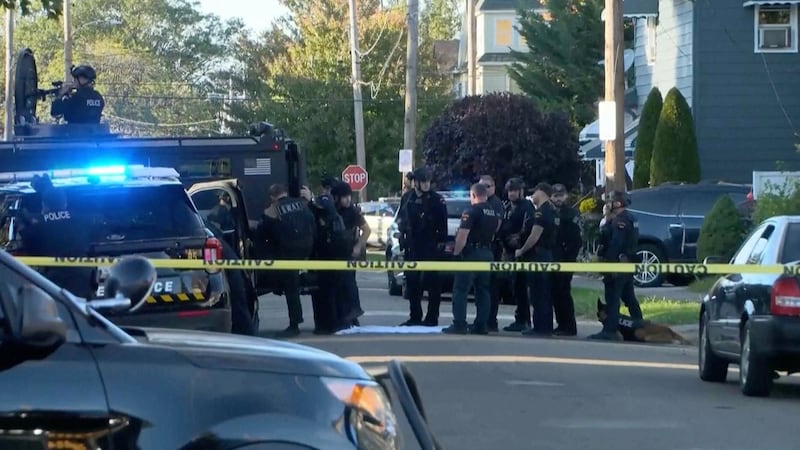
Halifax will be shutting down another encampment next month, but the Affordable Housing Association of Nova Scotia says the move won’t address the core issue of homelessness in the region. The Halifax Regional Municipality said the Lower Flinn Park encampment will be de-designated and closed on Dec. 7. Residents at the site have been notified and will have to move to indoor shelters or other housing options. In the last year, the municipality has closed encampments on University Avenue, Geary Street and Cogswell Park. Michael Kabalen, executive director of the Affordable Housing Association, said the municipality is following best practices for shutting down encampments, but noted the closures won’t solve homelessness. “It’s just moving around homelessness from one not adequate solution to another,” he said. “If people felt the shelter was a safe, dignified place, they’d be in an indoor option. “We need housing. A lot has been done, we just still haven’t done enough as a system. We should be tackling supportive housing options.” Kabalen said closing the designated encampments could just move people to unofficial tenting sites instead of getting them into shelters or other housing options. “People who choose to live in an encampment aren’t paying attention to what’s designated,” he said. “There are many people living in their vehicles or undesignated areas. De-designating an encampment does nothing to actually end homelessness, it just helps move it from a visible location to less visible ones.” Mayor Andy Fillmore, who ran on an election campaign to close the encampments, said the sites aren’t good for the people who live in them or the surrounding communities. He noted the shooting last month at the Lower Flinn Park encampment that left a man with life-threatening injuries as an illustration of the issues at the sites. Fillmore said the provincial government told them they currently have more indoor shelter spaces than people living in the encampments. Municipal staff have determined there are 59 tents and four trailers in the remaining designated sites. A head count by the Affordable Housing Association determined there were 1,028 individuals or families experiencing homelessness as of Sept. 10. In May the count was at 1,211. “We’re seeing tremendous opportunities for people to get indoors,” Fillmore said. “We have to support where they are in their lives and the challenges they’re facing. That’s the work that continues.” Erica Parrill, communications advisor for the Department of Opportunities and Social Development, said the provincial government has made 421 shelter beds, 378 transitional shelter spaces and 743 supportive housing units in Halifax in the last few years. “While the availability of space changes day to day, today there are 15 shelter beds, 8 transitional shelter units, and 74 units of supportive housing available for Nova Scotians experiencing homelessness,” Parrill said in an email. “There is more than enough space for everyone currently sleeping rough in designated encampments to come inside -- and that has been the case for more than a year.” Once Lower Flinn Park closes, the remaining designated encampments will be the Barrington Street green space in Halifax and Green Road Park in Dartmouth. Fillmore said he was hesitant to put a timeline on closing those two spaces, but he’s hopeful it will be done by 2027. “The sooner, the better,” he said. “Driving hard to get the encampments closed and people in better situations. If this takes more than 18 months, I’d be disappointed.” -With files from CTV News Atlantic’s Callum Smith For more Nova Scotia news, visit our dedicated provincial page