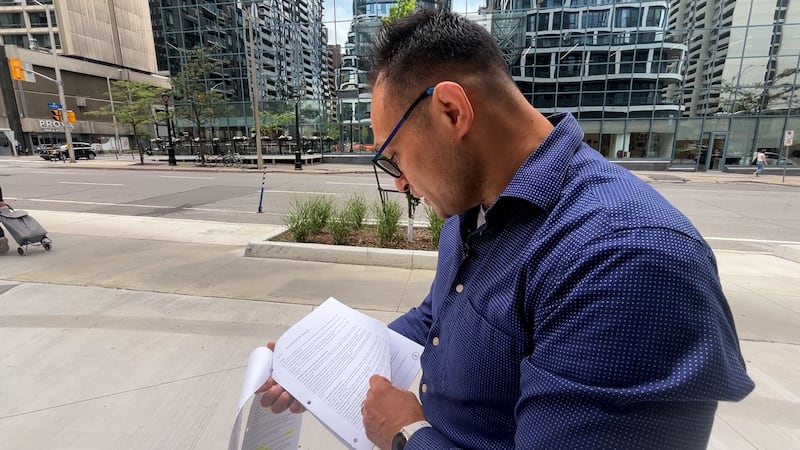
It’s been 10 years since devastating wildfires struck Fort McMurray, Alta., a town many Maritimers have called home. “It was literal hell on earth,” said Rick Chezenko, a resident of Coxheath, N.S., who was living in Fort McMurray with his brother Cody in May 2016, when the fires struck. Chezenko said he still remembers the towering flames on the side of the highway as he drove out of town and the devastation when he returned. “There was neighbourhoods that were flattened,” Chezenko said. “It looked like a war zone in a lot of places because places were burned right to the ground.” Nova Scotia faces its own wildfire threats a decade later. After last year’s historically dry summer, North Sydney Volunteer Fire Chief Lloyd MacIntosh said spring grass fires have already posed a problem early in this year’s wildfire season. “I think the last count was 56,” MacIntosh said on Sunday. “If that’s happening this early, that’s a bad indication… for a bad woods fire season a little bit later in the year.” MacIntosh said when burn bans are in place most people follow the rules, including one that prohibits open-air fires in urban parts of Cape Breton Regional Municipality. “Once we inform people of the bylaw, that you’re not allowed to burn in the former towns and cities, people are very accommodating,” MacIntosh said. In many cases people weren’t aware of the bylaw, he said. With Nova Scotia facing another summer with high wildfire risks, Chezenko said people need to be careful because they do not want to live through what he experienced 10 years ago in Fort McMurray. “People have to use the brains that are in our heads and really think about what we do because in an instant, all of our lives could change,” he said. MacIntosh said all the deadwood left in the forests from post-tropical storm Fiona more than three years ago remains a concern because it can become fuel during wildfire season. For more Nova Scotia news, visit our dedicated provincial page