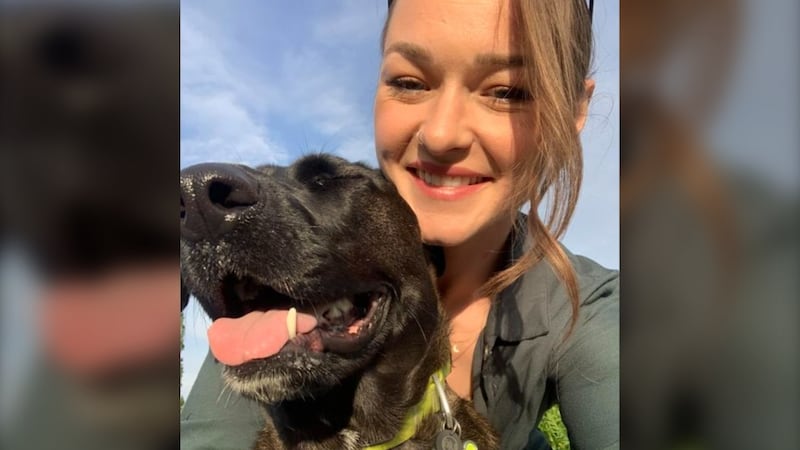
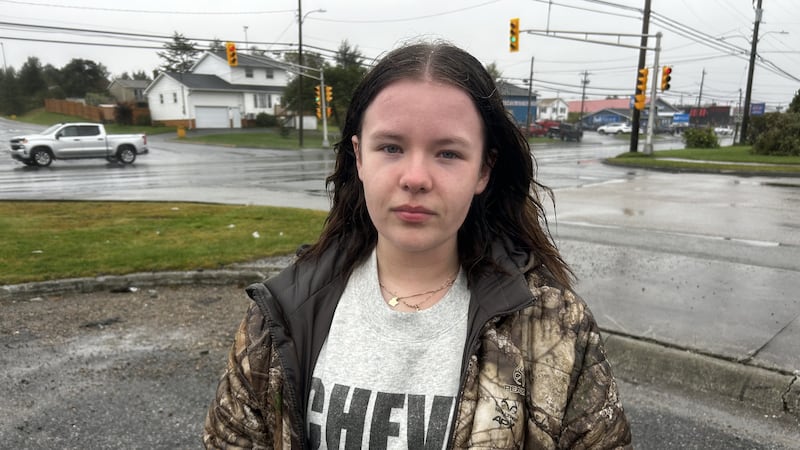
Breagh Shea spent 13 years in the military before leaving in 2020. “I had a traumatic brain injury and I found out through digging and help through my family and found Peter’s Place and it’s saved my life,” Shea told CTV News Atlantic. “I’ve been here the last five years and am on my way to a full recovery, which is amazing. Veterans Affairs been helping me a lot, too. My heart goes out to Peter’s Place. And just the entire community.” June is Brain Injury Awareness Month and people impacted by brain injuries and those who assist them say now is the time for advocacy. “It’s a good time to remind the community about the importance of brain injury and its prevalence, as well as reminding individuals that brain injury can affect anyone at any time,” said Emma Folkins, executive director for Brain Injury Nova Scotia. “That includes stroke, falls, concussions, even illness and overdose are big ones, too.” “We’re able to give them a level of understanding of what they’re going through, what they’re living with,” Carla Hirtle, director of operations at Peter’s Place. “It’s not always easy, that’s for sure. It’s a very unseen injury that people are dealing with every day. So we understand that, we offer lots of compassion and lots of reassuring conversation, too.” For Shea, nonprofits like Peter’s Place and Brain Injury Nova Scotia are vital to her success and recovery. “It has been quite challenging. I’m walking again. I never thought I would be doing that,” she said. “I’m writing with my left hand. The brain, it can bounce back very quickly. It’s got to be in the right mindset, around the right people and all that kind of stuff to bounce back. And now look at me. Now I’m walking again, after I was told I might be in a wheelchair forever.” For those who suffer from brain injuries or have afflicted loved ones, a place where people understand their experience is so important. “You have that if you have that safe spot in the place that you can hold yourself up, around people that hold themselves up as well,” she said. “I find it just builds and builds and builds, and then you can make a stronger foundation than that. My family, my friends, relatives here, there and everywhere. Staff at Peters Place have been incredible.” “It’s open Monday to Friday from 10 a.m. to 3 p.m. Everyone’s welcome, it’s for people living with acquired brain injury specifically,” said Hirtle. “It’s a nice social, leisure, recreational place for people to come meet. Others living with similar circumstances share their stories. It’s created a lot of camaraderie between the individuals that visit our facility, and many people come in person, and you can also join online. There’s no sign-up fee there. There’s no sign up at all.” “Brain injury is a really big deal in my family and brain injury is largely invisible, so people tend to be really surprised when they realize how many people it affects in Nova Scotia,” said Leona Burkey, who has a sister with a brain injury. “I’m a long-time advocate and have worked with this community for years and years and years. But all of that was due to having one sibling who had a brain injury event at 16 years old, and she’s in her 40s now. It has coloured and touched every aspect of our lives.” There is a large population that deals with brain injuries in the province. “In Nova Scotia, a lot of people are surprised to learn that over 70,000 individuals are impacted by brain injury,” said Folkins. “And each year we see 17,000 new cases. “The other big prevalence around brain injury is that it’s often called the invisible injury. Someone could look completely fine from the outside, but could be struggling with a lot of memory, chronic fatigue and other emotional challenges as well.” “One thing about the family experience is that it’s largely invisible and it’s largely hidden,” said Burkey. “And every day someone will ask me, ‘Hey, how’s your sister doing? I saw her and she looks real good,’ but you can never see what’s going on in the background.” Everyone has a different way of dealing and a different approach, but community is key. “It’s so isolating. Oftentimes we hear individuals after an acquired brain injury not being able to connect with their previous friends and family just because they don’t understand what they’re going through,” said Folkins. “That can be a real challenge. There’s a lot of mental challenges that comes with that depression and anxiety, for instance. It’s really important to find individuals who are like them, who have experienced something similar to build those connections and community.” “Brain injury, both traumatic and acquired brain injuries are arguably by far the largest disability group in the province,” said Burkey. “Every day there’s a kid that gets in a car wreck or there’s a major concussion or there’s an overdose. And all of these things can affect your brain profoundly. “It’s the centre of everything we are. And when communities are a little more welcoming and aware of different brains and how that manifests and how people connect and move around and learn together, it’s a really big deal.” For Shea, there are good and bad days, and on the bad days, she uses positivity to get her through. “I sleep, I eat, I meditate, I don’t like to preach about meditation, but meditation is great,” she said. “Staying grounded, staying focused, having a goal, that goal oriented is everything to me. “It takes a lot of focus and it takes a lot of strength in yourself to be comfortable enough with yourself to meditate and to seek help and to find that happiness.” For more Nova Scotia news, visit our dedicated provincial page