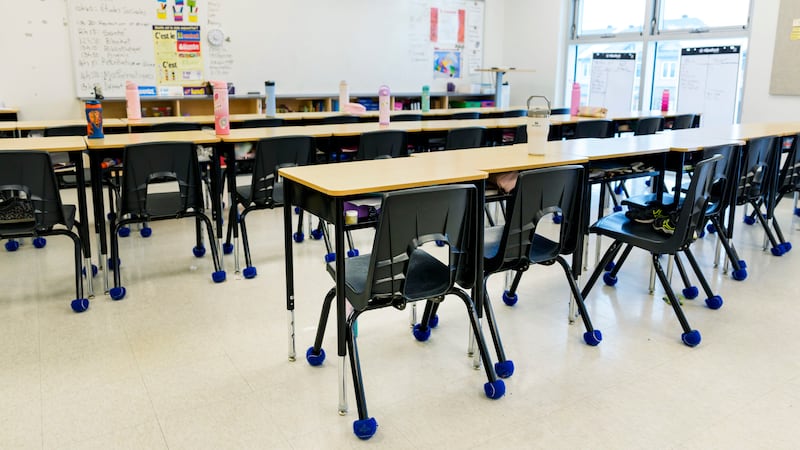
A new report from the Aristotle Foundation for Public Policy found an alarming number of children in Canada don’t have basic reading skills by the time they head into Grade 4. “So much of the information they’re going to take in about science, about math, about any other subject matter is probably going to come in the form of reading,” says David Livingstone, a senior fellow at the foundation. “Sure, there’ll be some videos and some other things, but reading is just foundational.” The report found one in three students (38 per cent) can’t read by the time they finish Grade 3, and anywhere from 20 to 56 per cent cannot read heading into Grade 4. New Brunswick has the highest number out of Maritime provinces with 50 per cent of elementary students reading below their grade level, while the number is Nova Scotia is far lower at 28 per cent. Specific data from Prince Edward Island was not highlighted in the report. The report also noted 22 per cent of 15-year-old Canadians are below the baseline for functional literacy, which is the worst on record. Livingstone says the numbers are particularly alarming since Grade 3 is typically the year kids stop learning to read and start reading to learn. “If they don’t get these skills now, it just kind of sets them back,” Livingstone says. “The rest of their learning starts to be impaired by not being able to read complex information as they move forward. “That can also have a bit of an effect on their own sense of who they are and whether there are good students or not.” Education critic Paul Bennett with the Macdonald-Laurier Institute says the numbers are alarming as reading is a vital skill for success in life. As for the reasons behind the reading woes, Bennett partially points the finger at a generation raised by technology. “The dominance of screens and social media has produced a generation, the iPhone generation, raised with iPhones and technology where less and less reading is carried out,” Bennett says. “It’s small snippets and/or it’s accompanied by videos. You get TikTok and Snapchat and these other things replacing what used to be reading.” Bennett also flags the increased use of assistive technology in schools. He cited devices that read tests to kids so they don’t have to do any actual reading themselves, which he says may mask the true number of students who are struggling. He also says the way students are taught isn’t giving them the best chance to succeed. He says many schools have adopted a balanced literacy approach which relies more on guessing. A structured literacy approach, which schools are starting to move back to, focuses more on the actual skills behind reading like phonics and decoding strategies. It’s a sentiment echoed by Lorelei Burgess, who is the director of Oxford Learning in Halifax. “They learn that letters make sounds, and when we put those letters and sounds together, we get words,” Burgess says of the structured approach. “From there they learn how to build their comprehension and understand what it is they are reading.” As for what families can do to help improve their child’s reading skills, Burgess says simply reading together daily can be a big help in developing the important skills. Melinda Cameron at Halifax Learning says it’s not always a matter of children not being able to read, but processing the information can be a challenge. By reading as a family, it can take away the stress from picking up a book and make reading fun. “I don’t think there’s any age that you should stop reading together,” Cameron says. “Because the cool thing about it is, while you’re building that reading skill, you’re also helping your relationship. When a parent reads to a child, they can read it at a much higher reading level, which helps with their background knowledge, which helps with their vocabulary, which are really key elements that sometimes get missed in the bigger conversation about reading instruction.” Cameron says if kids aren’t good at reading, they won’t want to do, but if they can pick up the crucial skill, there isn’t a story they won’t be able to tell. For more New Brunswick news, visit our dedicated provincial page.