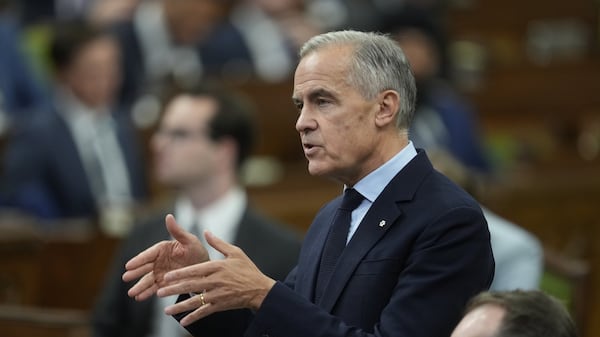
In this age of social media, people have become accustomed to making and hearing one-sided statements about anything and everything. While others are free to respond or rebut, there’s no real dialogue unless participants choose to engage one another. All too often when they do, it’s not a civil conversation or debate so much as an exchange of sometimes anonymous opinions, or all too often insults. Not surprisingly, it’s also becoming quite routine for politicians to use social media to make statements to citizens – voters – without the filter of the media, reporters or interviewers or their political adversaries. The prime minister recently made important comments about the state of Canada-U.S. relations on YouTube, rather than in a speech to parliament or at a news conference, where he might have been held accountable for his views. Before the advent of social media, leaders who wanted to bypass the legislature and journalists had to request or commandeer airtime from media platforms, radio or television stations or networks and they did so rarely – usually during extraordinary times. No longer. YouTube and X and other platforms are instantly available to virtually everyone. The president of the United States started his own social media platform so that he could say anything he wanted, without accountability. And in recent years, government departments and agencies including police have resorted to issuing vague statements, in lieu of real answers to specific questions from journalists. Ironically, such statements sometimes seem designed to withhold information rather than provide it. As social media continues to reshape the way we communicate, unilateral statements should be received with healthy skepticism. Democracy is better served – and society is better informed – by genuine dialogue, civil moderated debate and robust accountability.