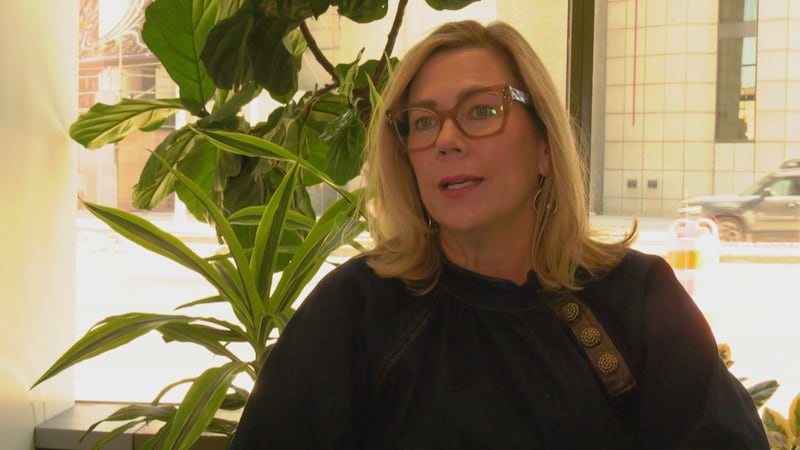
The conversation around menopause often centres on hot flashes, night sweats and other physical symptoms. However, women have growing concerns about the effects menopause has on their mental health. “Mental health is huge through menopause and beyond. And certainly, in our busy life, there are many things that cause us a great deal of stress,” said Diana Dibblee, a dietitian who focuses on menopausal women. “But through perimenopause and early post menopause, women’s brains actually change. So, we need to support their mental health just as much as the physical symptoms. We’re talking brain fog, fatigue, possibly dealing with anxiety, memory challenges, but luckily, we know these are temporary through menopause.” BRIA is a virtual clinic focused on helping women during all reproductive stage, including perimenopause and menopause created by Dr. Bev Young and her partner, Dr. Ariel Dalfen. Having worked in an academic center treating perinatal mental health, they started BRIA Academy to bridge the gap for those who treat women with menopause. “What we realized is the perimenopause and menopause population was suffering and no one was paying attention to them,” said Young. “Clinically, we wanted to open up to offer our services, which is anything to do with mental health care, to that population. Then when we try to hire therapists who specialize in menopause care, we couldn’t find any. It was really quite incredible. “We talk about how physicians and medical students and residents aren’t well trained, and our family doctors aren’t trained enough, and we don’t have enough menopause specialists. But no one actually talks about the therapists.” Young adds talking about it is important, but also seeking help to deal with the mental implications is key. “It’s interesting because a lot of people now want to go on MHC, which is menopause hormone therapy, and that seems to be the cure-all, and even people in their 30s and 40s are like, ‘Put me on it even before I hit menopause,’” said Young. “I think it’s wonderful that we’re talking about it, but it’s really not the be-all and end-all. It can be very helpful for the physical symptoms in particular, but not as helpful for the mental health symptoms. With all the mental stresses that come with menopause, putting mental health first seems like a no-brainer for advocates in this space. “Through menopause, our brain actually does change. We know that by looking at the gray and white matter, so we know that we have evidence that our brain is actually changing with the drops and fluctuations that are happening with our hormones,” explained Dibblee. “What we can do is really understand that it’s happening. It’s real. So maybe taking note of your symptoms and how they’re related to your mental health. That way you can go to your doctor and ask certain questions but also understand that that’s a natural process that’s happening through menopause, and it’s nothing to be concerned about.” “I think it’s really important for other people to know what you’re going through and normalize it. Talking about it, speak to your friends. It’s not something to be shy about or embarrassed,” added Young. “Most women will go through this phase of life if they have their ovaries still intact. So, I would say it’s still always important to get up, shower, get dressed, get going. Go on with your day. “The other thing I’d like to say is I want to see this as a more positive phase of life. I think we often look at it as we’re getting old. Everything’s dying and rotting and our bodies are breaking down, and there’s such a negative connotation.” But Young wants people to focus on the other side of menopause. “I would really love for women to see this as a time of renewal and redefining yourself and being able to create a new identity and create new relationships and do things you never had the chance to do, and there really is a sense of freedom with that.” Dibblee added it can become the strongest years of your life. “We know that your brain can change through menopause and beyond, and that’s also a part of aging, right? Our brain is constantly changing, but using diet and lifestyle are so many great ways that you can control your health through menopause and beyond. So, looking to make sure you do get those three balanced meals, prioritizing your sleep, making sure you get some kind of movement and ideally, strength training twice a week is huge.”