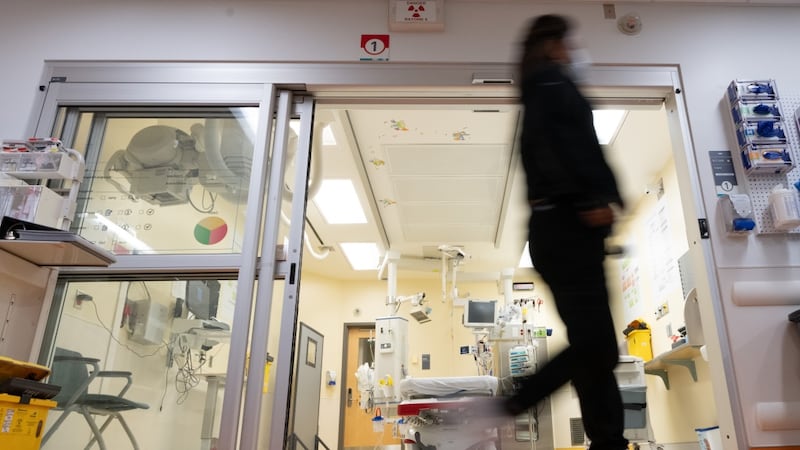
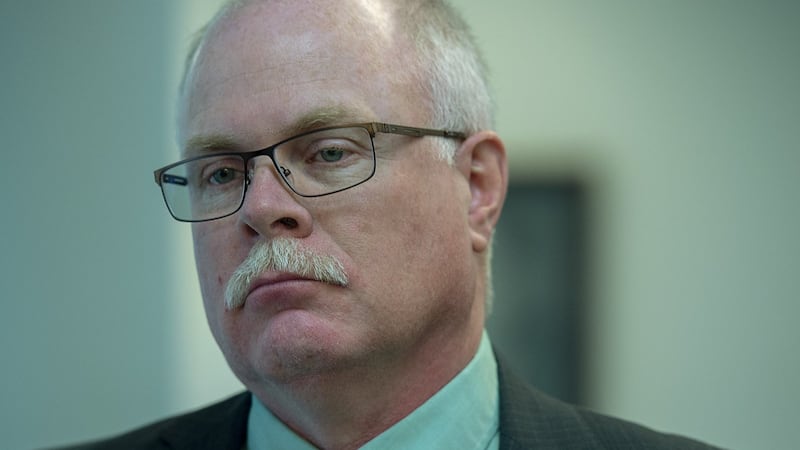
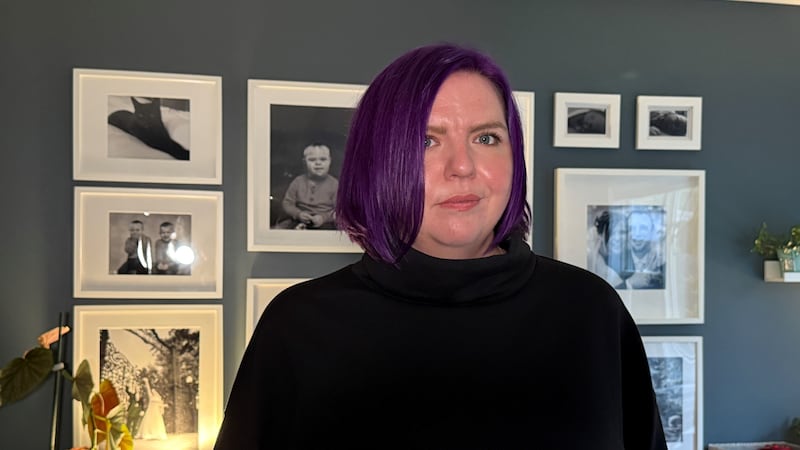
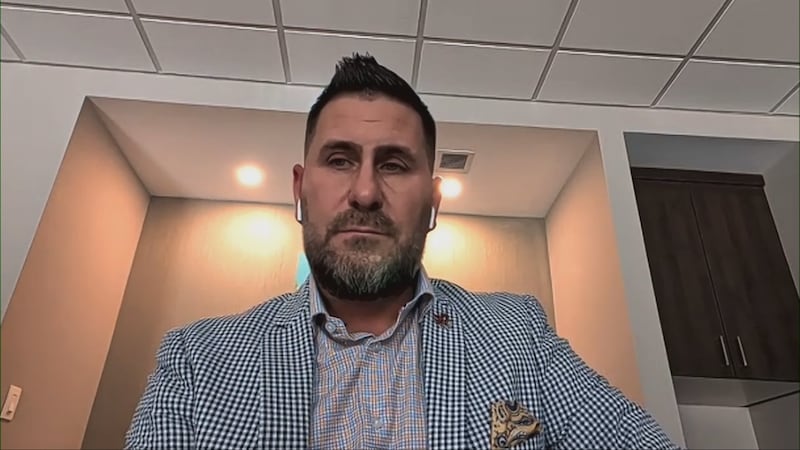
Experts across Canada are seeing a rise in the number of people facing burnout. “It’s getting worse not better. We are seeing more mental health issues, more time off work, for sick days or mental health, we are seeing more depression rates, we are seeing suicide, so we are already seeing the effects of that,” says Julie Cass, a wellness expert and The Positive Change Founder. Other experts like Simon Sherry, who is a psychology professor at Dalhousie University, say burnout is a 2025 problem. “We demand more and more from people, offering less and less time and support. Burnout can come from various factors, one of which can come from a lack of meaningful or purposeful work. If you find your work repetitive, dull, mundane, it’s very much an inducement of burnout,” says Sherry. Sarah Hamad works in a hospital in Halifax and says she spends most of her day on a computer booking appointments for patients. Doing the same tasks repeatedly is leaving her feeling drained. “After a day of work, you want to get home and do something that is not work related but your tired and have to feed yourself, tidy up or cook or take a shower and then you don’t have the passion, at least in my case, to do anything,” says Hamad. Hamad is not the only one experiencing this. Cass says she is seeing higher levels of burnout than ever before, and more studies are backing that up. “Even globally, it’s being reported that up to 66 per cent of people at work are experiencing burnout. So, that’s more than we have ever seen before,” says Cass. The symptoms for burnout might not be obvious to everyone, Cass adds especially if you are not in tune with your body. Burnout affects everyone differently and, on all fronts, mentally, physically and emotionally. These experts say people may feel tired, exhausted, and even experience their heart racing, while others may have a hard time focusing or see a drop in their productivity. From the emotional side, some may stop doing the activities they like and experience depression. “You can burn out in nearly every aspect of your life, agreed. But if we think in terms of a diagnostic term, the World Health Organization introduced burnout three years ago as a diagnosis and they decided to confine it to work. Especially emotional exhaustion, ineffectiveness at work, and jadedness or cynicism that creeps in,” says Sherry. Sherry adds that there are certain professions that are more susceptive to burnout and those are typically the ones where people are helping others. “Physicians, nurses, our teachers, those are among the most burnout prone professions. These are typically highly agreeable, highly conscientious people who go flat out to help others and in doing so places fatigue or exhaustion,” adds Sherry. Cass notes anyone can experience burnout, especially students. She says she’s seen a rise in the levels of burnout in students as well. “I think there is a lot more pressure on students. I think students put a lot more pressure on themselves as well. I think it begs the question for us to go back to our roots, and ask ourselves what really matters,” says Cass. She explains there are ways to help with burnout, and it starts with asking yourself what’s most important to you. The common response she gets is to be in connection with people you love and your health. “We need to get back to our roots and realign with what matters and we need to live in that alignment,” adds Cass. Cass emphasized it’s not about adding tasks to your to do list but more about making the time for the things you enjoy, prioritizing your own health and wellbeing.