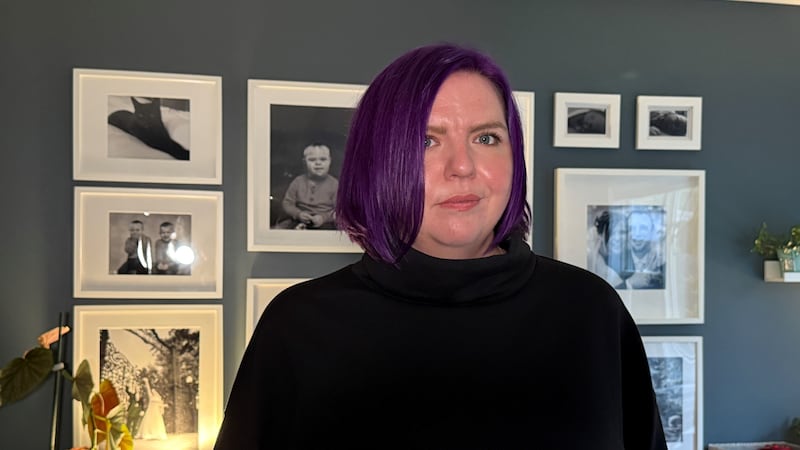
Breast cancer is the most common cancer in Canadian women, with one in eight expected to be diagnosed in their lifetime. Yet according to a recent national survey, most Canadians, or 90 per cent, believe there is still progress to be made in how the disease is detected, treated and monitored. Access to care can vary depending on geography, health-care systems and local practices. Sheila Harrie of Halifax said she was fortunate to get timely care when she was diagnosed almost five years ago at the age of 41. “I got diagnosed in January 2022. (I had) a family history. My grandmother had it and two of her daughters had it. When I got diagnosed, my sister had stage four triple negative and she passed away five days after I had my surgery,” said Harrie. Later that same year, Kalynda Lastimosa would face her own diagnosis after finding a lump during a self-check. “I was only 30 years old at the time. I do not have any family history. I don’t have any genetic markings that would put me at a predisposition for the disease,” she said. “It was called just spontaneous cancer.” Lastimosa did not have a primary care provider at the time, but she was also able to navigate the system in a timely manner. While these two women feel their care was quick, they know that’s not the case for everyone. “There’s ladies waiting two to three years to get in, and that’s something that shouldn’t have to be waited on that long because cancer can just spread pretty quick,” said Harrie. ‘Closing the gap’ The new survey from the charity and research organization Breast Cancer Canada shows strong support in advancing areas of screening, treatment and specialized care. “We know what more personalized, evidence-based care looks like. The next step is making it the standard across the country,” says Kimberly Carson, CEO of Breast Cancer Canada. “Closing the gaps means connecting the full patient journey and ensuring that every Canadian can benefit from the innovations that are changing and saving lives.” Most survey respondents, or 82 per cent, support a single national standard that would guarantee screening starting at age 40 across all provinces. Even more, 94 per cent, support public access to innovative approaches in detecting the cancer, including emerging technologies like liquid biopsies. Once cancer is detected, three in four Canadians indicate support for a coordinated national treatment framework to reduce disparities in equity and access. And finally, 92 per cent of respondents say just because treatment is complete does not mean the cancer journey is over. “Survivorship needs to be recognized as an integral part of breast cancer care, with personalized surveillance and follow-up planned from the outset and tailored to each patient’s individual needs,” says Carson. “Closing these gaps means ensuring patients have ongoing support to monitor recurrence risk, manage the long-term effects of treatment and address their evolving medical needs,” she adds. Surveillance to reduce the risk of the cancer’s recurrence is highlighted as a priority by nearly 70 per cent of survey respondents. The national survey was conducted by the Angus Reid Group on behalf of Breast Cancer Canada with a sample size of 1,501 online Canadian adults from Sept. 15 to 17. Advocating for others While battling cancer was no easy feat for Harrie or Lastimosa, the two are now taking the time to advocate for others. The survivors are passionate about raising awareness. “Some people don’t have a voice. People of the past. Some people are ashamed, but I find if we tell our stories, it helps somebody else feel comfortable to tell theirs,” said Harrie. For Lastimosa, who just happened to find a lump on her own, she believes education is important. “Early education is key. Early screening is key, and being able to advocate for that to a younger crowd to just make them aware that cancer doesn’t discriminate. It doesn’t matter what age you are,” said Lastimosa. The two women are now preparing to lace up for Sunday’s Run for the Cure in Halifax – taking steps for themselves as survivors, their loved ones who have passed and those still fighting. “Every single year at the Run for the Cure, it’s just beautiful. I meet new people every year, but meeting Sheila especially has just been really a dream come true,” said Lastimosa.