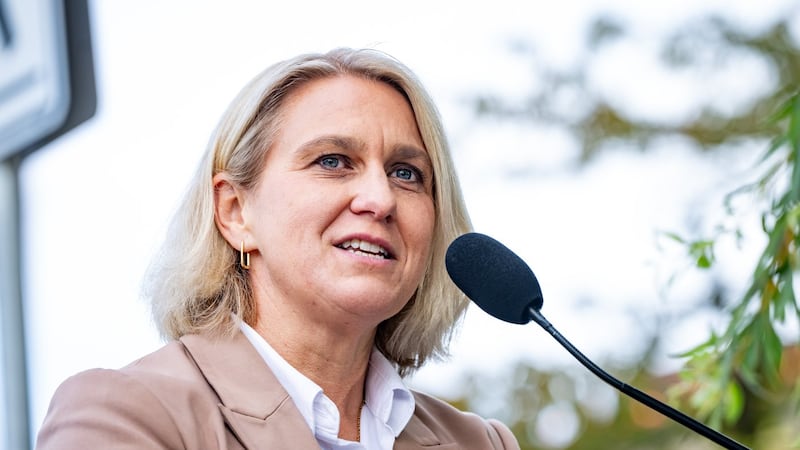
The President and CEO of the Atlantic Chamber of Commerce says the Unites States’ plan to impose new 50 per cent tariffs on a range of Canadian goods is disappointing. Rhonda Tulk-Lane says the news came just hours before Canada’s premiers were set to meet in Charlottetown and has thrown much of the week’s plans for a loop. “We’re still going through the list,” Tulk-Lane said when asked what sectors will be impacted more severely by this new round of tariffs set to be applied on Aug. 19. “We just need some more time to dig into this list to identify the players and the businesses that are operating in Atlantic Canada and offer them support.” Off the top of her heard, Tulk-Lane notes New Brunswick’s lumber and steel industries will see some impact from the tariffs. Nova Scotia wineries could also see more impact than others. The same could be said for Moosehead Breweries, who as of early 2025, exported 20 per cent of their product to the United States. “It’s really interesting to be looking at what they’ve chosen to put tariffs on,” Tulk-Lane said. “So, we’re working through that and then going to be offering a plan of support to these companies.” She also notes many businesses, especially those who have not been dealing with the daily turmoil from tariffs, have tuned out to the tariff talk. The tariffs have been a central figure for New Brunswick’s lumber industry over the past year. The on-going tariffs, combined with other factors influencing the marketplace, has resulted in wood sales dipping 30 to 40 per cent from this time last year. Rick Doucett, with the New Brunswick Federation of Woodlot Owners, says last year’s sales were low because of the tariffs in place. “You’ve got some marketing boards that used to have $20 million in sales back in the 90s and early 2000s that are sitting around $4 million per year now,” says Doucett. “That’s pretty much a total collapse in the economy there on the private wood side.” He adds much of the government’s focus when it comes to protecting New Brunswick’s forestry sector has been on keeping the mills in operation. While Doucett understands the rationale behind the decision, he says it’s important for the province to speak with wood lots to learn what they need to stay afloat. “It’s probably time we start talking, sooner than later,” says Doucett. “Obviously with this administration to the south, I don’t think things are going to get better anytime soon. In fact, they are probably going to get worse.” While some East Coast companies will feel the latest squeeze from the tariffs if put in place, Tulk-Lane says the impact won’t be as great compared to provinces like Ontario and Quebec.