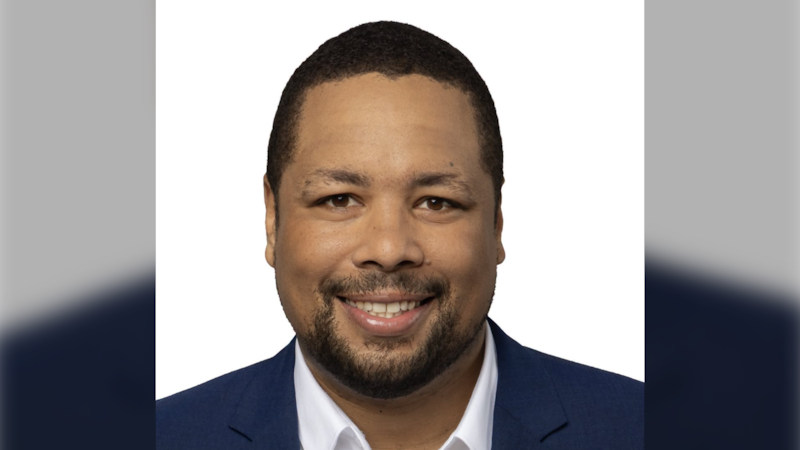
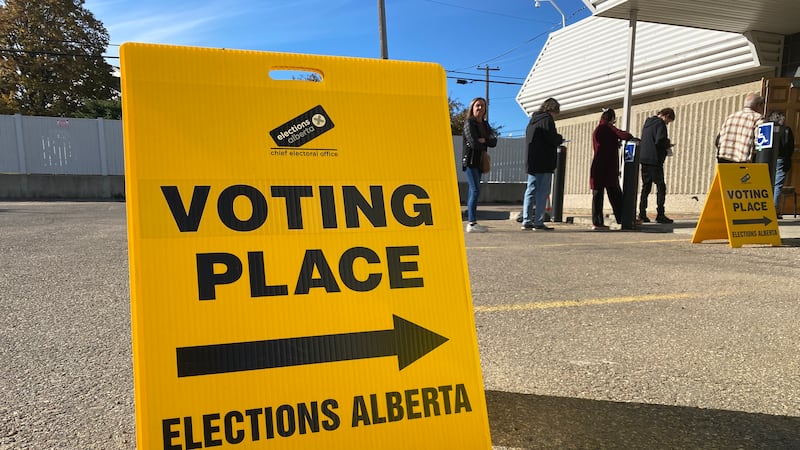
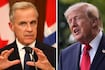
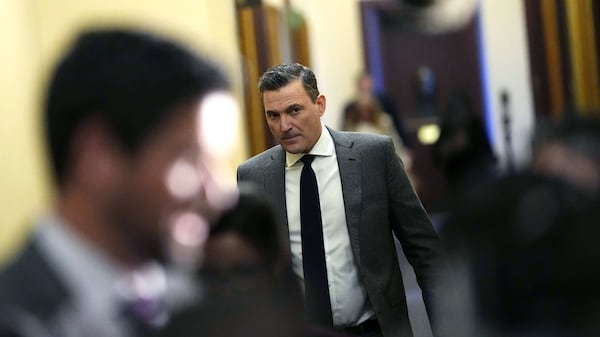
OTTAWA – Former federal Conservative leader Erin O’Toole says provinces should be open to lifting their bans on U.S. alcohol if the Americans show “serious movement” on issues like steel and aluminum tariffs. “I think the provinces will see if we can make some progress that will benefit their workers, caps on softwood lumber as well, some sort of certainty, it will be worth them pausing or stepping back from their beverage alcohol bans,” O’Toole said in an interview with CTV News Channel on Wednesday. O’Toole, who serves as a member of Prime Minister Mark Carney’s Advisory Committee on Canada-U.S. Economic Relations, also says the federal government is “speaking regularly with the provinces.” Starting on Aug. 19, U.S. President Donald Trump is set to impose a new 50 per cent tariff on a variety of Canadian goods – even those covered under the Canada-U.S.-Mexico Agreement (CUSMA) – over what Americans are describing as “discriminatory” trade policies. Provincial bans on U.S. alcohol are among the primary policies highlighted by Trump as an irritant. Eight out of the 10 provinces – excluding Alberta and Saskatchewan – have removed U.S. alcohol from store shelves since last year. Ahead of next week’s deadline, Canada-U.S. Trade Minister Dominic LeBlanc and Chief Trade Negotiator Janice Charette are in Washington and met with U.S. Trade Representative Jamieson Greer on Tuesday for the third time in as many weeks. Last week, industry sources told CTV News that proposals being discussed between Canadian and American officials include removing the counter-tariffs on autos and provincial bans on alcohol. Proposals are also being exchanged about changing how dairy quotas are managed. In return, Canadians are seeking relief on Section 232 tariffs. Under that section, the U.S. has imposed 15 to 50 per cent tariffs on steel, aluminum and copper products, 25 per cent tariffs on autos and trucks and 10 per cent tariffs on softwood timber and lumber. One source with knowledge of the negotiations, meanwhile, told CTV News that Canada is seeking “favoured nation” status across all sectors. The source says this doesn’t mean removing tariffs entirely, but rather getting the lowest rate, which may be at different percentages depending on the products. Provincial response CTV News has reached out to the provinces for reaction to a proposed agreement that could include lifting alcohol bans. In a statement, Nova Scotia Premier Tim Houston said, “At this time, we have no plans to reinstate American alcohol.” “While we can’t control what happens in Washington, we can control what goes on our shelves,” Houston added. Quebec Premier Christine Fréchette echoed a similar sentiment, saying U.S. alcohol won’t be back on Quebec shelves unless trade gains are made. “Alcohol sales fall exclusively under the jurisdiction of the Quebec government. It is Quebec – and Quebec alone – that will make the decision,” Fréchette’s office said in a statement to CTV News. Last month, following Trump’s latest tariff threat, B.C. Premier David Eby said there is “not a chance in hell that U.S. alcohol is going back on the shelf in British Columbia.” His office tells CTV News that Eby has nothing further to add. A recent Nanos Research survey commissioned by CTV News shows three in four Canadians would not buy American booze if it returned to store shelves. According to a fact sheet from the White House, Canadian imports of U.S. alcoholic beverages decreased by about 81 per cent, or US$582 million from March 2025 to February 2026, compared to the same period in 2024-2025. Can agreement be made before Aug. 19? CTV News reported Tuesday that both Canadian and U.S. trade representatives are aiming to present a layout of a trade deal in front of Trump days before the Aug. 19 deadline. When asked Wednesday if an agreement can be reached before or by Aug. 19, O’Toole said, “I think so.” “I do think Ms. Charette and Dominic LeBlanc are trying to make sure the main negotiations with formal measures are in place, and I think the president and the prime minister have remained in touch and spoken about the potential of a deal,” O’Toole said. Automotive Parts Manufacturers’ Association President Flavio Volpe, who is also a member of prime minister’s advisory committee, said he is also “hopeful we’re going to get it done” and that an “interim deal on tariffs” is needed. “I think it’s a really good sign that the Canadian team isn’t leaving here, and the Americans are engaging them on a daily basis,” Volpe said in an interview with CTV News from Washington, D.C. “That gives me hope, because it’s demonstrably different than at any time over the last year and a half, and that the Americans are also speaking in real terms. They know the consequence of their trade actions and that some of those consequences have hurt a major ally.” With files from CTV News’ senior political correspondent Mike Le Couteur and CTV News’ Spencer Van Dyk