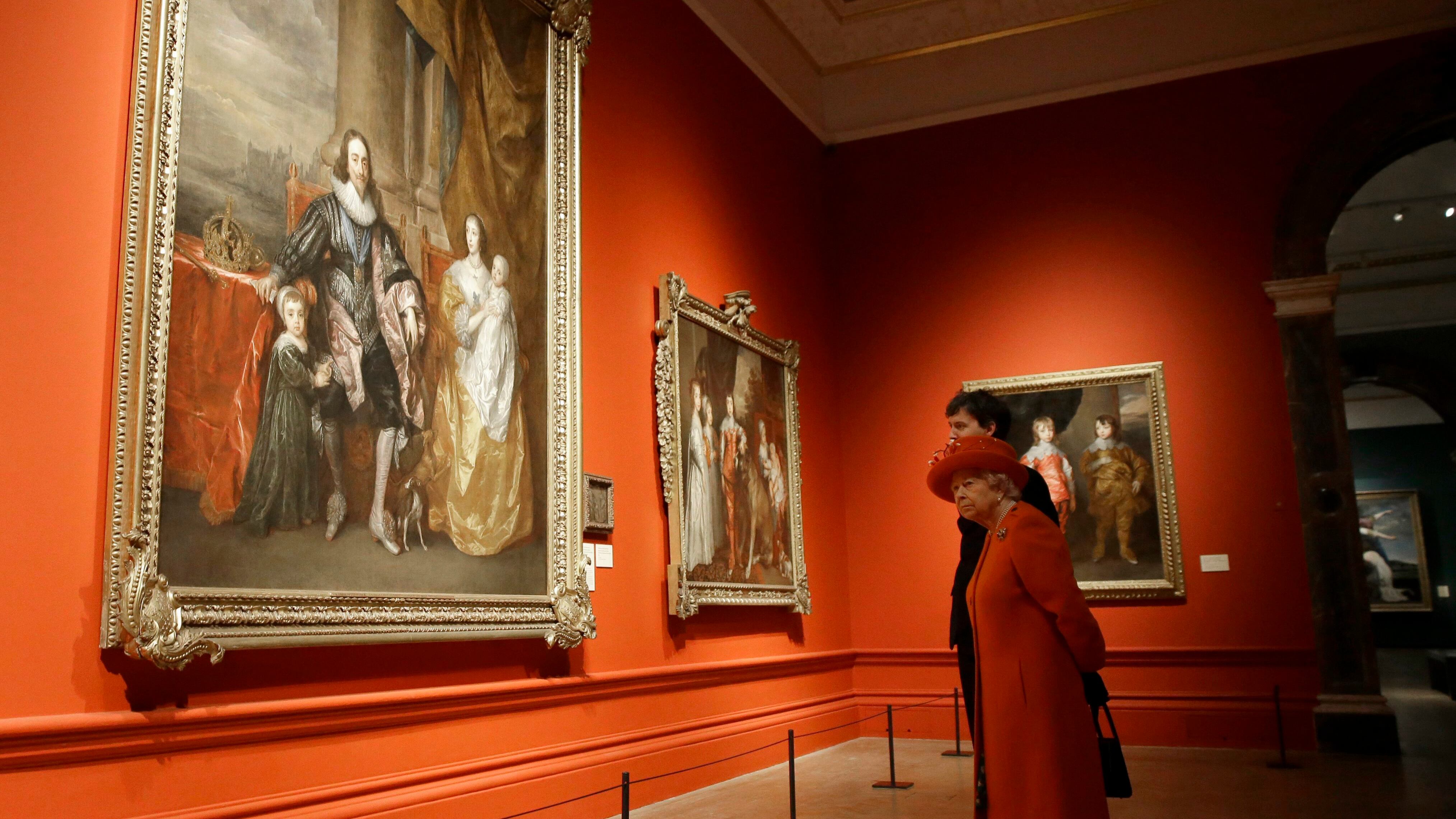
Afua Hagan is a contributor to CTVNews.ca, focusing on the Royal Family. Based in London and Accra, Hagan is a regular commentator on the royals across a variety of international outlets, and is a leading voice on diversity in Britain. The British monarchy has carried layers of myth, ceremony, and tradition for hundreds of years. Big events like coronations, royal weddings, and jubilees have painted a picture of stability, heritage, and national pride. Yet, like all systems, it has its hidden chapters. Historian Brooke Newman, in her book The Crown’s Silence: The Hidden History of Slavery and the British Monarchy, digs into one of the monarchy’s most persistent blind spots. Every so often, there comes along a book that hold a mirror up to the monarchy. This is ones of those books. Newman’s book is an uncomfortable read – and it’s supposed to be. Her detailed and researched work raises tough questions. It forces readers to rethink not what they know about the monarchy’s history but also what its place means today in a world that’s eager to confront uncomfortable truths from the past. Monarchy did not stand by Newman argues something both clear and powerful: the British monarchy did not stand by during slavery. Instead, it played an active role benefiting from and protecting a system that helped shape today’s world. She explains that the Crown “used to trumpet their connections to the transatlantic slave trade,” and that they even “put the royal brand on this practice and on people’s bodies.” Newman writes: “In tracing the monarchy’s historic links to slavery, 1564-65 is a watershed year. It was then that Elizabeth I moved beyond either tacit or diplomatic support for Hawkins [slave trader]. The Tudor queen invested directly in the capture, coerced transatlantic transport and sale of Africans into bondage in Spanish America.” Her claim isn’t some extreme idea. It stems from ten years of digging through archives, including royal, colonial, and military records – papers that scholars have known about but largely ignored. Newman details how king after king took part in slave-trading companies, owned enslaved individuals on crown-owned lands, and depended on enslaved labour to uphold the empire’s strength. Her revelation shocks many. She explains that when Britain ended the slave trade in 1807, the British Crown had already become “the world’s largest buyer of enslaved people,” acquiring about 13,000 men to use in the military. This period was not just about complicity. It shows an era of active involvement. Still, people have often softened or romanticized the monarchy’s ties to slavery. Many have downplayed it to a minor detail. We’re taught a story about abolitionist kings and reformers full of wisdom instead of recognizing a powerful system that gained wealth from slavery before later claiming to fight it. Newman’s book pushes us to face this contradiction. She explains how people who were enslaved or had been enslaved reached out to the monarchy to seek justice. Individuals like Olaudah Equiano and Mary Prince sent letters, shared their stories, and addressed petitions to the Crown. Newman claims the monarchy met these efforts with silence. “Enslaved people… were appealing to the monarchy,” she says, “and the monarchy is doing nothing at all.” This silence forms the central idea of her book and serves as its most meaningful metaphor. It represents not a lack of awareness but a deliberate choice. It shows silence as a way to rule. Many people living in the U.K., Canada, the Caribbean, and African nations see this as more than just a debate in academics. It ties into ongoing talks about reparations, efforts to decolonize, and the Crown’s symbolic meaning in societies with many cultures. Like the U.K., Canada is still a constitutional monarchy, with the Crown being a key part of its legal and political systems. At the same time, millions of Canadians have roots in communities shaped by colonialism and slavery. What does it signify when a major symbol of a country’s identity turns out to have been so deeply tied to that past? This book comes out at a time when people are questioning the monarchy like never before. King Charles III has admitted the harm caused by slavery and spoke of what he described as “personal sorrow” in a speech in Rwanda in June 2022. However, feeling sorry is not the same as taking responsibility and or offering a full apology for the part the monarchy played in supporting slavery and profiting from it. Symbolic acts cannot take the place of deeper talks about history, memory, and justice. Newman’s book does a simple thing – it calls for truth. She points out that the Crown kept making money from enslaved labour even while acting against the slave trade. She explains how monarchs like George IV still gained from enslaved people during abolition. This mix of moral words with personal profit feels all too similar to today’s politics. Why is this important right now? As someone who has spent years as a journalist and royal commentator, I have seen how the monarchy uses soft power and symbols to stay important. Newman reveals the price paid when controlling stories leaves out uncomfortable facts. This isn’t just about changing history to stir up drama. It’s about adding more to history by including voices and truths that were left out on purpose. What’s striking is how a historian like Newman uncovers hidden truths in royal archives, which were meant to protect power, not reveal it. Newman’s work reveals that while the Royal Navy fought the slave trade later on, it had long supported it by lending ships and supplies to slave traders. This dual role of being both an enabler and an enforcer complicates the heroic stories often taught in classrooms. So – why is this important right now? The monarchy can no longer ignore global public opinion. Commonwealth countries are discussing becoming republics. Caribbean and African nations are rightly demanding reparations. Younger generations are questioning old institutions with a level of doubt that older generations did not show. The legacies of slavery and empire have to be addressed. For the monarchy, owning up to this history is less about guilt and more about staying relevant. Institutions that avoid facing their history risk losing any sense of moral standing today. To remind people how power relies on selective storytelling, The Crown’s Silence speaks to journalists, historians, and commentators. The narratives we share – or not share – play a big role in shaping national opinion. Newman’s work will spark debate. Critics might claim it disrespects tradition. Supporters might say modern royals shouldn’t answer for their ancestors’ choices. These arguments have their points, but they miss what matters. This issue isn’t about assigning blame. It’s about uncovering the truth. For centuries, the monarchy worked hard to control its image. But real history doesn’t come with filters. It is chaotic, full of contradictions, and human. That’s why it’s so important. In the end, The Crown’s Silence is not just a book about the British monarchy. It is a book about memory, power, and the stories nations tell themselves to survive. Newman’s research forces us to ask a simple question: what happens when silence is no longer an option? For the Crown, the answer may define its future.